
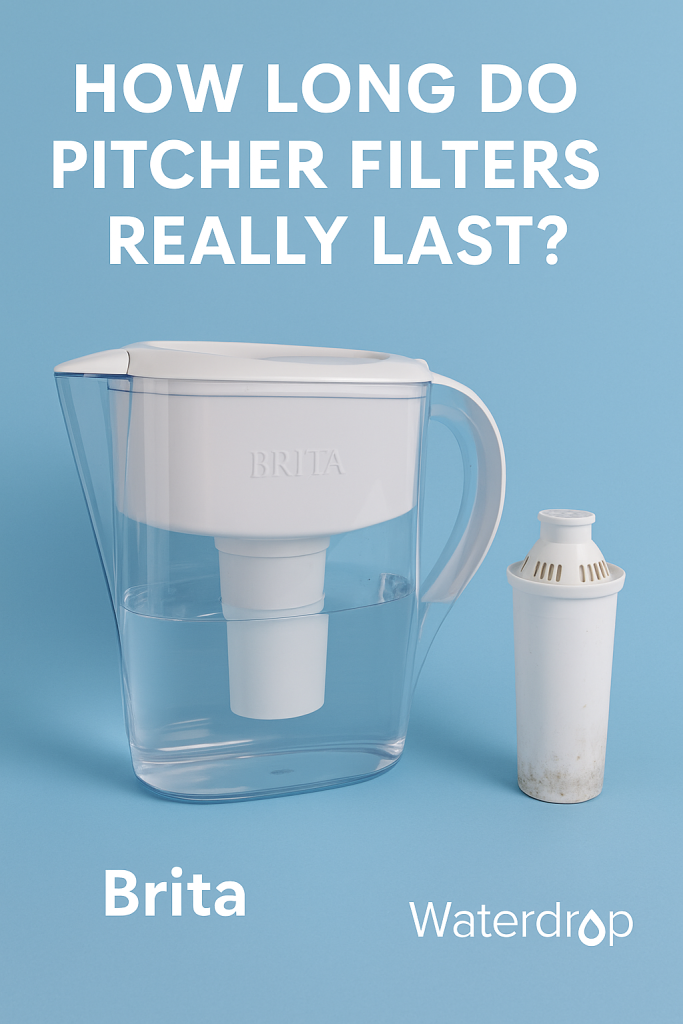
Water filter pitchers offer a simple and affordable solution to improving the taste and safety of your drinking water. But one of the biggest variables in maintaining their effectiveness is how often you replace the filter. Manufacturers often advertise impressive gallon capacities, but these figures are based on ideal lab conditions—not everyday use. In the real world, factors like water hardness, daily usage, and the presence of sediment or chlorine can all shorten a filter’s life.
Knowing when to change your filter isn’t just about taste—it can directly affect water quality and your family’s health. Replacing filters too early can waste money, while waiting too long can mean diminished performance. Thankfully, there are cost-effective off-brand options that can help you maintain your filtration routine without overspending.
In this article, we’ll break down the real-world lifespan of filters from Brita, PUR, and ZeroWater, along with reliable, lower-cost alternatives for each. We’ll also cover how to tell when a filter needs changing and whether off-brand replacements are worth considering., along with reliable, lower-cost alternatives for each. We’ll also cover how to tell when a filter needs changing and whether off-brand replacements are worth considering.
Disclosure: As an Amazon Associate, we earn from qualifying purchases. This post may contain affiliate links that help support our content at no additional cost to you.
🧼 How Long Do OEM Filters Last?
🔹 Brita Longlast+ Filter
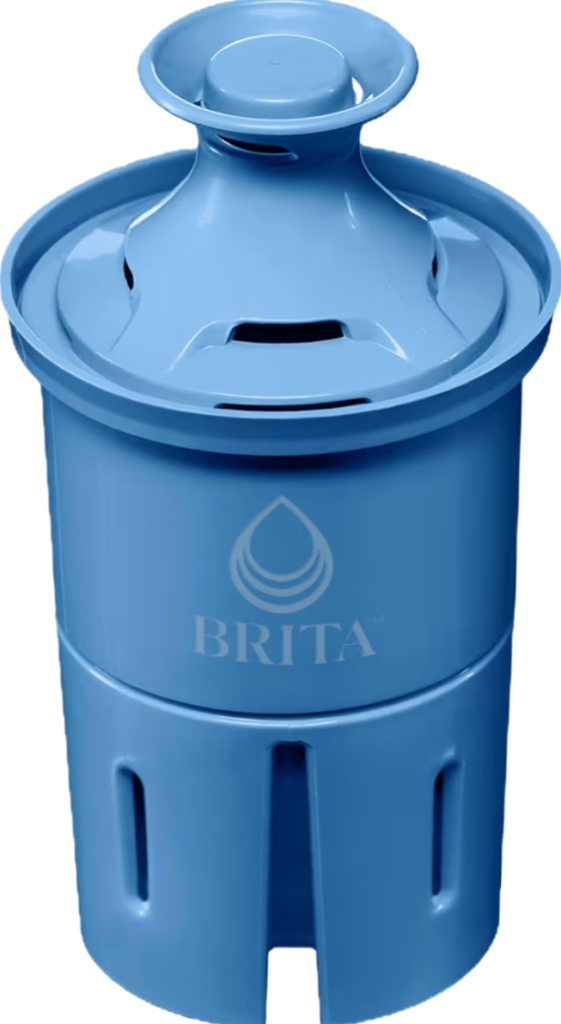
Manufacturer Claim: Up to 120 gallons or 6 months
Real-World Average: 2–4 months for most users
Amazon Rating: 4.7 out of 5 stars
View on Amazon
The Brita Longlast+ filter is designed to handle heavy-duty filtration tasks like lead, chlorine, cadmium, and benzene. It features a carbon block design that captures fine particulate matter while reducing odor and improving taste. Its main appeal is the long filter life—up to 120 gallons—which is roughly triple that of standard Brita filters. However, user experiences vary: households with moderately hard or heavily chlorinated water often find the filter starts slowing down after 2–4 months. Flow rate tends to diminish as the filter accumulates contaminants. That said, when maintained properly and not overused, the Longlast+ delivers consistent water quality and peace of mind. It’s a favorite for users looking for fewer replacements and solid performance from a trusted brand.
Pros:
- High filtration capacity
- NSF certified for lead removal
- Long shelf life
Cons:
- Slower flow as filter ages
- Pricey per unit
✅ Recommended Alternative:
Amazon Basics Replacement Filters

Amazon Rating: 4.6 out of 5 stars
View on Amazon
Amazon Basics Replacement Filters are designed to be compatible with Brita pitchers that use the Longlast and Standard filters. These filters reduce chlorine taste and odor and provide a similar flow rate and taste improvement to OEM filters at a lower price point. While they don’t carry NSF certification for lead reduction like Brita’s Longlast+, they’re widely praised for reliable performance and ease of use. Many users report no leakage issues, and the filter installation is seamless with most Brita pitcher models. Each filter is rated for around 40 gallons, which means more frequent replacements—but the lower cost offsets that. These filters are a smart, budget-friendly pick for casual users who prioritize taste over advanced filtration.
Pros:**
- Lower cost per filter (when buying 3 or more)
- Solid taste improvement
- Compatible with Brita
Cons:
- Not NSF certified
- Slightly shorter lifespan (~80 gallons)
🔹 PUR Water Pitcher Filter

Manufacturer Claim: Up to 40 gallons or 2 months
Real-World Average: 1–2 months
Amazon Rating: 4.6 out of 5 stars
View on Amazon
The PUR Faster Pitcher Replacement Filter (CRF950Z) is the brand’s newer lead-reduction filter designed for improved flow rate and consistent contaminant removal. It is NSF certified to reduce over 20 contaminants including 99% of lead, chlorine, mercury, and some industrial pollutants. This model is compatible with all PUR pitcher systems and is a solid upgrade from the older RF3375. While PUR claims a 40-gallon lifespan, real-world results often show a range of 25–35 gallons depending on water quality. The upgraded flow rate is noticeable and appreciated by users who found earlier filters too slow. Installation is easy, though hard water can still reduce its effective life. This filter is a dependable option for households that want affordable, certified protection against common tap water contaminants.
Pros:
- Strong contaminant reduction
- NSF certified
- Good taste improvement
Cons:
- Shorter lifespan than Brita
- Can clog easily in hard water areas
✅ Recommended Alternative:
Fil-Fresh Replacement Filters for PUR Pitchers

Amazon Rating: 4.6 out of 5 stars
View on Amazon
Fil-Fresh replacement filters are designed to fit all PUR pitcher and dispenser systems that use the CRF950Z filter model. These filters aim to replicate the taste improvement and chlorine reduction of OEM PUR filters at a lower price. While they are not NSF certified for lead reduction, they are well-reviewed by users for flavor, flow rate, and ease of installation. Each filter is rated for 40 gallons, with performance depending on local water conditions. They also come in multi-packs, offering greater cost efficiency for families who go through filters quickly. Many users have reported that the Fil-Fresh filters fit snugly and function as expected in both older and newer PUR pitchers. For budget-conscious consumers, they’re a practical alternative to keep clean water flowing without overspending.
Pros:
- Fits all PUR pitcher models
- Budget-friendly multi-pack availability
- Strong user reviews for taste and ease of use
Cons:
- Slightly inconsistent filter life in hard water
- Shorter filter life than OEM
🔹 ZeroWater Filter (ZR-006)

Manufacturer Claim: Up to 40 gallons
Real-World Average: 20–30 gallons depending on water TDS
Amazon Rating: 4.5 out of 5 stars
View on Amazon
ZeroWater’s 5-stage filters are unique in their ability to remove virtually all total dissolved solids (TDS), including salts, minerals, heavy metals, and inorganic compounds. This results in water that often reads 0 ppm on a TDS meter—impressively pure for a pitcher system. However, such thorough filtration comes at a cost: shorter filter life. In areas with hard water or high mineral content, these filters may last only 20–30 gallons before TDS levels begin to rise again. The included meter makes it easy to monitor performance, but frequent replacements can add up. Despite the cost, many users praise the crisp, clean taste and appreciate having a quantifiable way to measure filtration quality. For those seeking the purest water from a pitcher, ZeroWater remains unmatched—just be prepared to stock up on refills.
Pros:
- Removes nearly all TDS
- Comes with TDS meter for accuracy
- Crisp, clean taste
Cons:
- Short lifespan
- Costly to replace frequently
✅ Recommended Alternative:
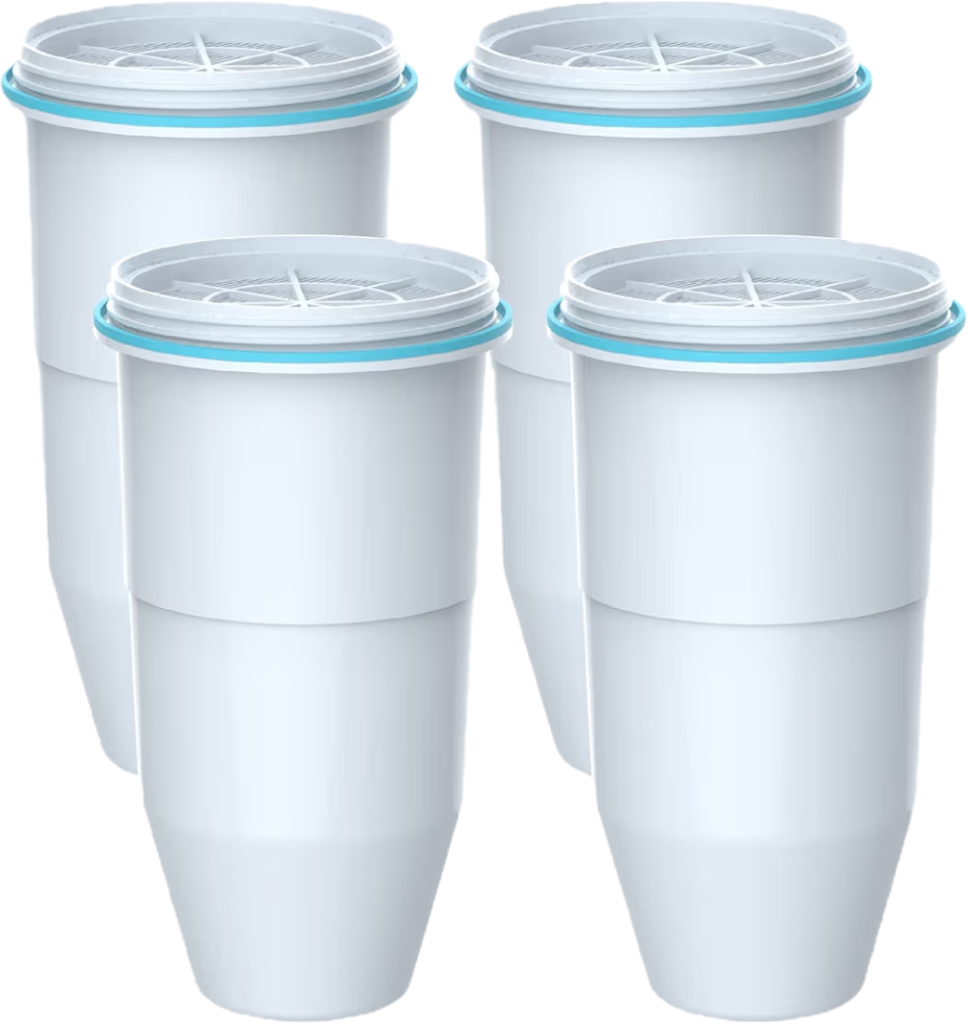
Waterspecialist Replacement Filters for ZeroWater Pitchers
Amazon Rating: 4.6 out of 5 stars
View on Amazon
Waterspecialist Replacement Filters are a well-reviewed, cost-effective alternative for ZeroWater pitchers. These filters are compatible with models like ZP-006 and ZP-010 and are certified to NSF/ANSI 42 and 372 standards for chlorine taste and odor reduction. While they may not remove as many dissolved solids as ZeroWater’s original 5-stage filters, many users report very similar taste and clarity. They also tend to last slightly longer than expected, even in households with moderately hard water. At a lower price point and available in multi-packs, these filters are a smart way to maintain cleaner-tasting water without constantly replacing expensive OEM cartridges. If your priority is good-tasting water and general performance at a better value, Waterspecialist is worth a look.
Pros:
- NSF/ANSI 42 & 372 certified
- Compatible with major ZeroWater models
- Affordable multi-pack options
Cons:
- Doesn’t reduce TDS as thoroughly as ZeroWater
📊 Comparison Table
| Brand | OEM Life (gal) | Real Avg (gal) | Off-Brand Alternative | Cost Savings | NSF Certified | TDS Meter Included |
|---|---|---|---|---|---|---|
| Brita | 120 | 60–90 | Amazon Basics | ✓✓ | No | No |
| PUR | 40 | 25–35 | Fil-Fresh | ✓✓✓ | Yes | No |
| ZeroWater | 40 | 20–30 | Waterspecialist | ✓✓ | Yes | No |
Final Thoughts
Pitcher filters don’t always last as long as the packaging suggests—but with a little trial and error, you can figure out what works best for your household. Brita’s Longlast+ is a strong performer for durability, while ZeroWater delivers unmatched purity at the cost of more frequent replacements. PUR offers solid lead and chlorine reduction, but often needs changing sooner than expected.
Off-brand filters can offer excellent savings and competitive performance, especially for Brita and PUR models. Just be aware that most don’t carry NSF certification. For many families, the tradeoff is worth it.
Replacing your pitcher filter regularly ensures optimal performance, better-tasting water, and peace of mind—without the need for a full-blown filtration system. Understanding the realistic lifespan of OEM filters, and weighing that against cost-effective off-brand options, can help you make smarter buying decisions. Brita’s Longlast+ offers durability and reduced frequency of replacements, while ZeroWater’s filters deliver unmatched purity—just more frequently. PUR sits in the middle, offering strong contaminant reduction with an accessible price point.
Off-brand alternatives are worth considering if you want to stretch your budget without sacrificing too much on performance. While they may lack NSF certification, many perform surprisingly well for everyday use. Be mindful of your water conditions, and track changes in taste, flow, or TDS readings to ensure timely replacements. When chosen wisely, a good pitcher filter—and a smart replacement strategy—can deliver great water at a fraction of the cost of bottled or high-end filtration systems.
Head back to the Water Filter Pitchers main page