
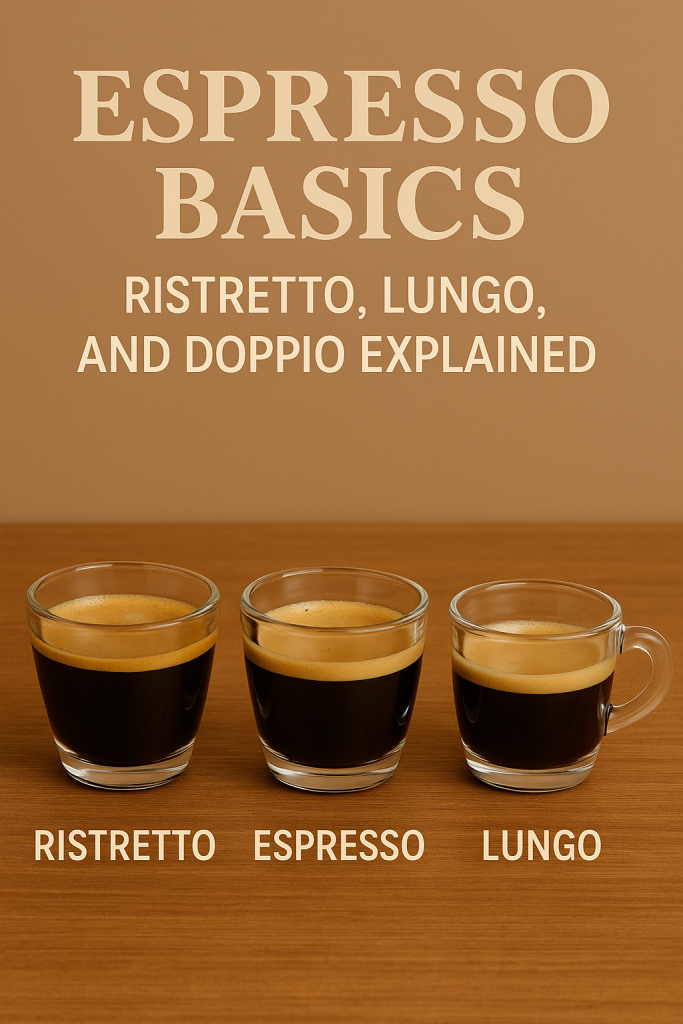
Walking into a specialty coffee shop and hearing “ristretto,” “lungo,” and “doppio” thrown around can feel intimidating. But here’s the truth: these aren’t mystical barista secrets—they’re simply different ways to pull espresso shots that change the flavor, strength, and character of your coffee. Once you understand what each one means, you’ll have the confidence to order exactly what you want and even experiment with these techniques at home.
At HydroBrewLab, we believe that great coffee starts with understanding the fundamentals. These three espresso variations are the building blocks that can transform your daily coffee ritual from routine to remarkable. Let’s break down what makes each one unique and when you’d want to choose one over the others.
Disclosure
This post contains affiliate links. As an Amazon Associate, I earn from qualifying purchases at no additional cost to you. I only recommend products I genuinely believe in and have researched thoroughly. Your support helps keep HydroBrewLab running and allows me to continue providing detailed coffee guides and reviews.
Understanding the Foundation: What Is Espresso?
Before diving into variations, let’s establish the baseline. A standard espresso shot uses about 18-20 grams of finely ground coffee, extracted with 9 bars of pressure, producing roughly 1.5-2 ounces of liquid in 25-30 seconds. This creates the balanced, full-bodied shot that serves as the foundation for lattes, cappuccinos, and americanos.
But here’s where it gets interesting: by adjusting just one variable—extraction time and water volume—you can completely change the flavor profile and intensity of your espresso.
Ristretto: The Concentrated Powerhouse
What it means: “Ristretto” is Italian for “restricted” or “limited.”
The technique: A ristretto uses the same amount of coffee (18-20g) but extracts with less water, stopping the shot at around 15-20 seconds. This produces about 0.75-1 ounce of concentrated espresso.
Why it matters: By cutting the extraction short, you’re capturing the sweetest, most concentrated flavors while avoiding the bitter compounds that emerge later in the brewing process. Think of it as getting the “best parts” of the coffee bean.
Flavor profile:
- Intensely concentrated and sweet
- More syrupy body
- Reduced acidity and bitterness
- Pronounced origin flavors
When to choose ristretto:
- You want maximum coffee intensity without bitterness
- Creating milk-based drinks where you need the espresso to cut through
- Working with darker roasts that might become overly bitter with longer extraction
- You prefer sweeter, more concentrated coffee flavors
Pro tip: Ristretto works beautifully in cortados and flat whites where you want the coffee to shine through the milk without overwhelming bitterness.
Lungo: The Extended Journey
What it means: “Lungo” translates to “long” in Italian.
The technique: A lungo uses the same coffee dose but extracts for 45-60 seconds with more water, producing about 3-4 ounces of liquid.
Why it matters: The extended extraction pulls more compounds from the coffee, including some bitter elements, but also captures more of the coffee’s subtle flavors and aromatics. It’s like getting the “full story” of the bean.
Flavor profile:
- More diluted but complex
- Higher caffeine content
- More pronounced bitter notes
- Lighter body compared to standard espresso
- Enhanced floral and fruity notes (if present in the bean)
When to choose lungo:
- You want more volume without adding water (like an americano)
- Working with lighter roasts that can handle longer extraction
- You enjoy more complex, layered flavors
- You prefer less intense coffee that still maintains espresso character
Important note: Lungo isn’t just espresso with extra water added afterward—the extended extraction fundamentally changes the flavor chemistry.
Doppio: Simply Double the Pleasure
What it means: “Doppio” means “double” in Italian.
The technique: A doppio is simply two shots of espresso pulled simultaneously using a double portafilter basket. You’re using about 36-40 grams of coffee to produce 3-4 ounces of standard-strength espresso.
Why it matters: When you need more coffee volume but want to maintain the balanced flavor profile of a standard espresso, doppio is your answer. It’s not about changing the extraction—it’s about scaling up.
Flavor profile:
- Same intensity and balance as single espresso
- Double the volume and caffeine
- Maintains the 25-30 second extraction time
- Perfect for larger milk drinks
When to choose doppio:
- Making larger milk-based drinks (16oz lattes, large cappuccinos)
- You want more espresso without changing the flavor profile
- Creating americanos with more coffee presence
- You simply want more caffeine without intensity changes
Practical Applications: Which One When?
For Straight Espresso Drinking:
- Ristretto: When you want intense, sweet coffee flavor
- Standard: For balanced, traditional espresso experience
- Lungo: When you prefer more volume with complex flavors
For Milk Drinks:
- Ristretto: Cortados, flat whites, strong cappuccinos
- Doppio: Large lattes, bigger cappuccinos
- Lungo: Generally not recommended—can become too bitter with milk
For Home Brewing Success: Start with standard espresso technique, then experiment with these variations once you’ve mastered the basics. Each requires slight adjustments to your grind size and technique.
Common Misconceptions Cleared Up
“Ristretto has more caffeine”: Actually, the shorter extraction time means slightly less caffeine than a standard shot.
“Lungo is just watered-down espresso”: The extended extraction creates different compounds—it’s chemically different from adding water to regular espresso.
“These are just fancy names for the same thing”: Each technique produces distinctly different flavor profiles and caffeine levels.
Getting Started at Home
If you’re brewing at home, start by mastering your standard espresso technique. Once you can consistently pull balanced shots, experimenting with ristretto and lungo becomes a matter of adjusting your timer and observing how the flavors change.
Quick reference for home brewing:
- Standard espresso: 25-30 seconds, 1.5-2 oz
- Ristretto: 15-20 seconds, 0.75-1 oz
- Lungo: 45-60 seconds, 3-4 oz
- Doppio: 25-30 seconds, 3-4 oz (double dose)
The Bottom Line
Understanding ristretto, lungo, and doppio gives you three powerful tools to customize your coffee experience. Whether you’re ordering at a café or brewing at home, knowing these variations means you can fine-tune your coffee to match your mood, the time of day, or the specific flavors you’re craving.
Remember, there’s no “right” choice—only what tastes best to you. The beauty of espresso lies in this flexibility. Start with what sounds appealing, taste mindfully, and don’t be afraid to experiment. Every coffee professional started exactly where you are now, learning one technique at a time.
Recommended Machines for Mastering These Techniques
Ready to put this knowledge into practice at home? Having the right equipment makes all the difference when experimenting with ristretto, lungo, and doppio shots. Here are our top picks for machines that give you precise control over these variables:
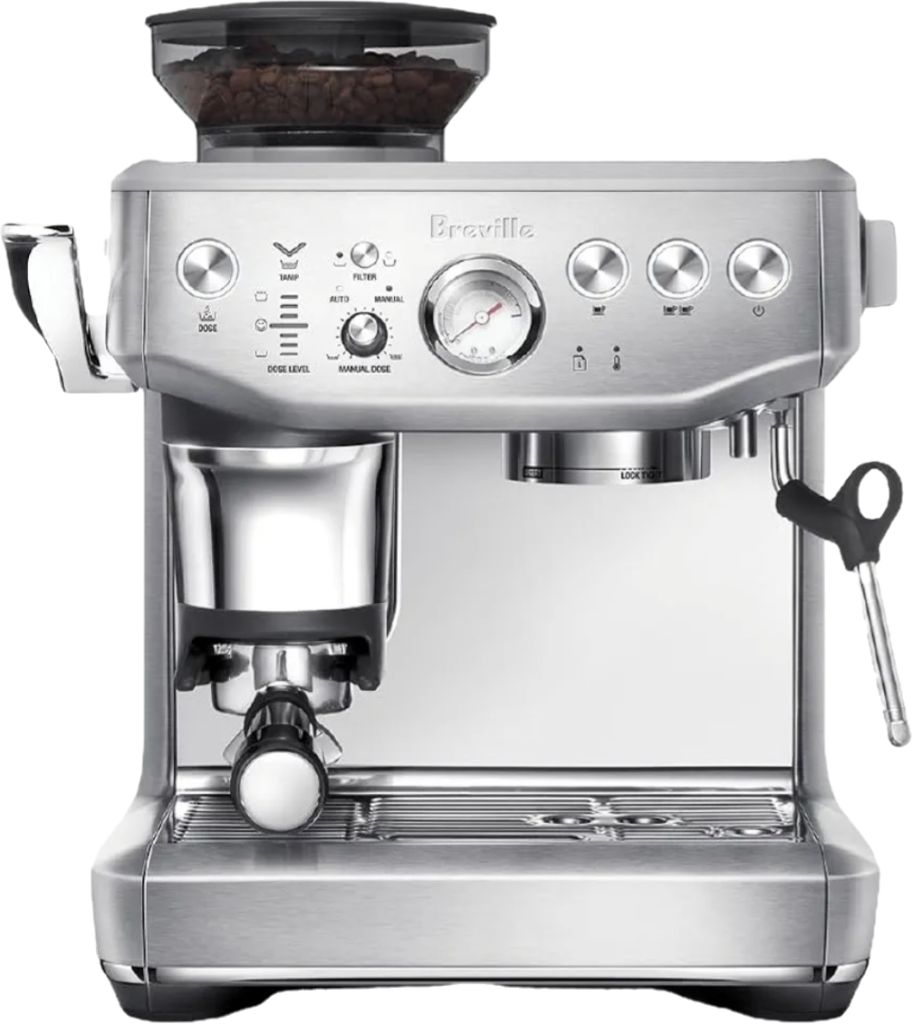
Best Automatic Option: Breville Barista Express Impress
⭐⭐⭐⭐⭐ 4.3/5 stars (2,847 reviews) View on Amazon
Why we recommend it: This machine takes the guesswork out of consistent shots while still giving you full control over extraction time and volume. The built-in grinder ensures fresh grounds every time, and the manual override function lets you stop shots early for ristretto or extend them for lungo.
Key features for technique control:
- Programmable shot volumes for consistent ristretto and lungo
- Manual extraction override button
- Pre-infusion function for even extraction
- Dual-wall and single-wall filter baskets included
- Built-in precise grinder with dose control
Perfect for: Coffee enthusiasts who want convenience without sacrificing control, or anyone stepping up from pod machines to real espresso.

Best Manual Option: Gaggia Classic Pro
⭐⭐⭐⭐⭐ 4.1/5 stars (1,523 reviews) View on Amazon
Why we recommend it: This is the gold standard for manual espresso control. With a simple 3-way solenoid valve and manual operation, you have complete command over every aspect of your extraction. It’s the machine that teaches you to become a better barista.
Key features for technique control:
- Full manual control over extraction time
- Commercial-grade group head and portafilter
- Adjustable OPV (over-pressure valve) for perfect 9-bar pressure
- No automatic programs—you control everything
- Durable construction that lasts decades
Perfect for: Hands-on learners who want to master espresso fundamentals, anyone who enjoys the ritual of manual brewing, or experienced home baristas wanting full control.
Pro tip: Pair either machine with a quality burr grinder if not included. The ability to adjust grind size is crucial for perfecting these different extraction styles.
Your Next Steps
Whether you choose automatic convenience or manual mastery, start by dialing in your standard espresso shots first. Once you can consistently pull balanced 25-30 second extractions, experimenting with ristretto and lungo becomes intuitive.
Try ordering a ristretto next time you’re at your local café to taste the difference, then come home and recreate it on your own setup. Your taste buds—and your morning routine—will thank you for the exploration.
Ready to upgrade your home espresso game? Check out our complete espresso machine buying guide for detailed reviews and comparisons to find your perfect brewing companion.

Essential Reading: The Professional Barista’s Handbook by Scott Rao
Amazon Rating: 4.3/5 stars
Check Current Price on Amazon
Scott Rao’s “The Professional Barista’s Handbook” isn’t your typical coffee table book filled with romantic stories about coffee farms. This is a tool—a practical, science-backed guide that cuts straight to what actually matters when you’re trying to pull exceptional shots and brew outstanding coffee. At just 100 pages, Rao has distilled decades of professional experience into the kind of focused resource that coffee professionals and serious home enthusiasts have been waiting for.
Customers consistently praise the book as “very informative about espresso preparation” and consider it “a must-read for baristas,” which aligns perfectly with what we’ve found in our own testing. What sets this handbook apart is Rao’s ability to explain complex brewing science in terms that make immediate practical sense. He doesn’t waste time on coffee origin stories or equipment marketing fluff—instead, he focuses relentlessly on technique, troubleshooting, and the variables that actually impact your cup quality.
The book covers everything from espresso extraction theory to latte art fundamentals, equipment evaluation, and even tea preparation. Although it’s called “The Professional Barista’s Handbook,” this book covers topics useful for the home barista too. Rao’s approach is methodical and data-driven, offering specific parameters and techniques rather than vague suggestions. For anyone serious about elevating their brewing skills—whether you’re behind a commercial machine or working with a home setup—this handbook provides the foundation you need to understand not just what to do, but why it works.
Back to Coffee and Espresso 101