

Walking into the world of espresso can feel overwhelming. You’re standing in front of dozens of machines with price tags ranging from $200 to $2,000, each promising to deliver café-quality shots at home. The technical jargon alone—portafilters, thermoblocks, PID controllers—can make your head spin.
But here’s the truth: you don’t need to master every technical detail to choose the right machine. What you need is a clear understanding of what actually matters for your brewing goals and lifestyle.
Understanding the Espresso Machine Landscape
Before diving into features, let’s establish what we’re working with. Home espresso machines fall into three main categories, each designed for different experience levels and commitment levels.
Manual/Lever Machines put you in complete control of pressure and timing. Think of them as the sports cars of espresso—thrilling once you know how to drive, but not ideal for your first machine. The La Pavoni PC-16 Professional stands as the gold standard here, offering the authentic lever experience with a solid brass boiler and exceptional build quality.
Semi-Automatic Machines handle water temperature and pressure while you control grind, dose, and timing. This is the sweet spot for most beginners who want to learn proper technique without fighting their equipment. The Breville Bambino Plus consistently delivers café-quality shots while remaining forgiving enough for newcomers to master.
Super-Automatic Machines do everything at the press of a button. They’re convenient but limit your ability to develop skills and adjust variables when things go wrong. The De’Longhi Magnifica Evo offers excellent value with its built-in grinder and automatic milk frother, making it perfect for busy mornings.
For beginners serious about learning espresso, semi-automatic machines offer the best balance of control and forgiveness.
The Essential Features That Actually Matter
When manufacturers list dozens of features, it’s easy to get lost in specifications that sound impressive but don’t impact your daily brewing experience. Here’s what really makes a difference:
Consistent Water Temperature
Your espresso machine needs to maintain water temperature between 195-205°F consistently. Temperature swings create sour or bitter shots, and no amount of technique can compensate for unstable brewing temperature.
Look for machines with thermoblock or dual-boiler systems rather than basic heating elements. You’ll see this reflected in more stable extraction and better-tasting coffee from day one.
Adequate Pressure Control
Proper espresso extraction requires 9 bars of pressure, but many budget machines either can’t reach this consistently or exceed it dramatically. Over-pressure leads to bitter, over-extracted shots that mask the nuances you’re trying to taste.
Quality machines include pressure gauges or internal regulation systems that maintain optimal pressure throughout the brewing process.
Steam Wand Performance
If you enjoy milk-based drinks, your steam wand quality determines whether you’ll create silky microfoam or disappointing bubbles. Look for machines with dedicated steam boilers or sufficient power recovery between brewing and steaming.
A good steam wand should produce consistent steam pressure and allow you to control texture and temperature precisely.
Our Top Picks for Each Category

Best Lever Machine: La Pavoni PC-16 Professional
The La Pavoni PC-16 Professional represents lever espresso at its finest. This Italian-made machine features a solid brass 38-ounce boiler, chrome-plated construction, and the iconic lever mechanism that coffee purists love. With a 16-cup capacity and dual frothing systems, it’s built to last decades.
Why we recommend it: This machine teaches you espresso fundamentals while delivering exceptional results. The manual pressure control lets you experiment with extraction profiles, and the robust construction means it’s genuinely an investment piece. Users report owning these machines for 20+ years with minimal maintenance.
Best for: Experienced coffee enthusiasts who want complete control and don’t mind a learning curve.
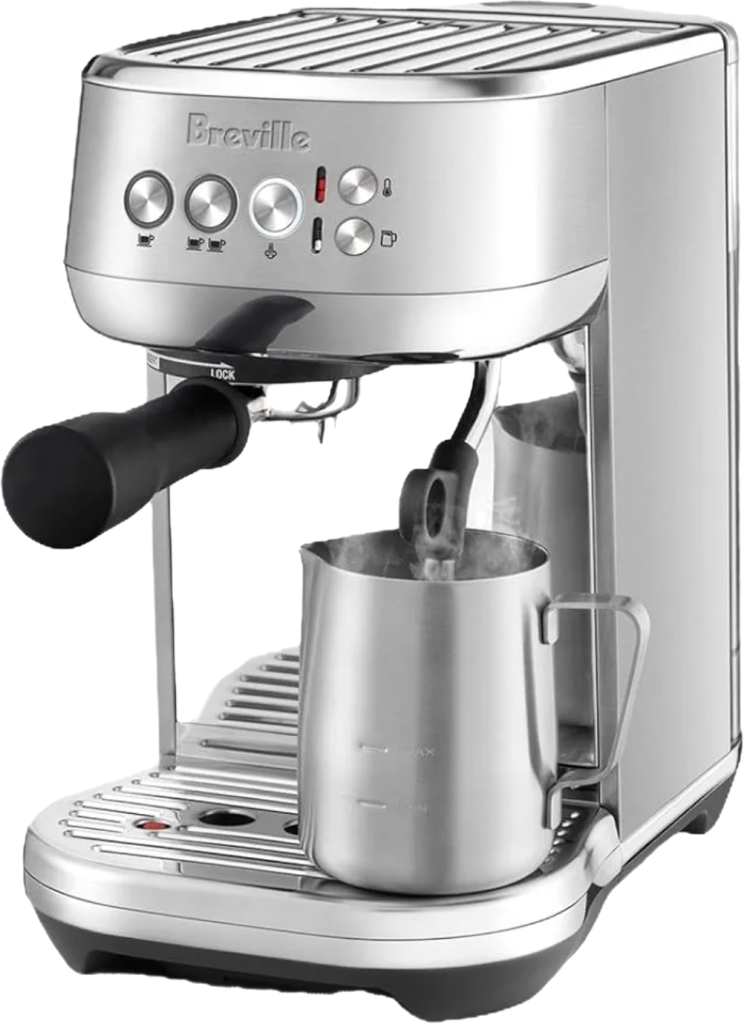
Best Semi-Automatic: Breville Bambino Plus
The Bambino Plus hits the sweet spot between performance and user-friendliness. It’s quick to heat, comes in a compact package, pulls great espresso shots, and has an automatic steam wand that creates microfoam silky enough for latte art. The machine consistently ranks as a top choice among coffee experts.
Why we recommend it: This machine forgives beginner mistakes while teaching proper technique. The automatic steam wand removes the guesswork from milk frothing, and the compact design fits most kitchens. It heats up in just 3 seconds and maintains consistent brewing temperature.
Best for: Beginners who want to learn proper espresso technique with a forgiving, high-quality machine.
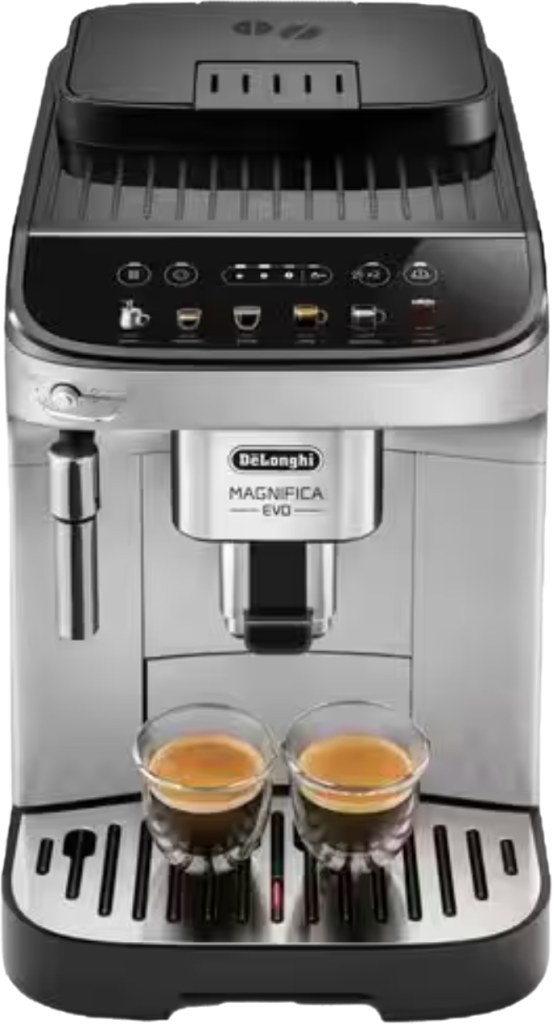
Best Super-Automatic: De’Longhi Magnifica Evo
The De’Longhi Magnifica Evo Automatic Espresso & Coffee Machine with Automatic Milk Frother for Latte, Cappuccino, Iced Coffee, Built-in Grinder delivers consistent results with minimal effort. The built-in burr grinder and automatic milk system handle the technical aspects while you enjoy café-quality drinks.
Why we recommend it: Perfect for busy households that want excellent coffee without the daily ritual. The machine handles grinding, dosing, tamping, and milk frothing automatically. The built-in grinder ensures freshly ground beans for every cup, and the maintenance is straightforward.
Size and Space Considerations
Your perfect espresso machine fits your kitchen and lifestyle, not the other way around. Measure your counter space carefully, accounting for the machine’s height when the water reservoir is removed for refilling.
Consider workflow space too. You’ll need room for your grinder, portafilter, tamper, and cups. Many beginners underestimate how much counter real estate their espresso setup will require.
Water reservoir capacity matters if you’re brewing multiple drinks daily or entertaining guests. Smaller reservoirs mean more frequent refilling, which can interrupt your brewing flow.
Build Quality Indicators
A reliable espresso machine should feel substantial and well-constructed. Here’s what to examine:
Portafilter Weight and Fit: Quality machines include heavy, well-machined portafilters that lock securely into the group head without wobbling. Lightweight portafilters often indicate corners cut in manufacturing.
Control Response: Buttons, switches, and dials should operate smoothly with clear feedback. Mushy or sticky controls suggest poor internal component quality.
Material Construction: Stainless steel and brass components last longer than plastic alternatives, especially in high-heat, high-pressure environments.
Budget Considerations and Value
Your first espresso machine doesn’t need to be your last espresso machine. Many coffee enthusiasts upgrade as their skills and preferences develop, so focus on machines that offer good value rather than trying to buy everything at once.
Budget-friendly machines in the $300-600 range can produce excellent espresso when paired with a quality grinder. Spending more on your grinder than your machine often yields better results than the reverse.
Factor in ongoing costs beyond the initial purchase. Some machines require expensive proprietary parts, special cleaning products, or frequent professional servicing.
Common Beginner Mistakes to Avoid
Choosing Based on Aesthetics Alone: That sleek machine might look perfect in your kitchen, but if it can’t maintain consistent temperature or pressure, your coffee will suffer daily.
Ignoring the Grinder: Your grinder impacts espresso quality more than any other single factor. Budget at least as much for a quality burr grinder as you spend on your machine.
Buying Too Much Machine: Super-automatic machines with dozens of programmable settings can overwhelm beginners and actually slow skill development.
Skipping the Learning Curve: Even the best machine requires technique. Plan to spend time learning proper dosing, tamping, and timing rather than expecting perfect shots immediately.
Making Your Decision
Start by honestly assessing your commitment level. If you want convenient coffee without learning technique, a super-automatic machine makes sense. If you’re excited about developing barista skills and understanding espresso variables, invest in a quality semi-automatic machine.
Consider your daily routine too. Do you need quick morning shots, or do you have time for a more involved brewing process? Your lifestyle should guide your choice more than technical specifications.
Test machines when possible. Many specialty coffee shops and appliance stores offer demonstrations that let you experience the actual brewing process before committing.
Your Next Steps
Choosing your first espresso machine is just the beginning of your coffee journey. Focus on machines that offer room to grow while delivering consistent results from day one.
Remember that even seasoned baristas needed time to develop their skills. Your machine should support that learning process, not fight against it.
Start with a solid foundation—a reliable semi-automatic machine with consistent temperature and pressure control—and you’ll be pulling café-quality shots sooner than you expect. The perfect shot isn’t about having the most expensive equipment; it’s about understanding your variables and having tools that respond predictably to your adjustments.
Don’t be afraid to experiment once you’ve chosen your machine. Every espresso setup is unique, and finding your perfect brewing formula is part of the satisfaction that keeps coffee enthusiasts returning to their machines day after day.
Quick Comparison: Which Machine Type is Right for You?
| Feature | Lever (La Pavoni PC-16) | Semi-Auto (Bambino Plus) | Super-Auto (Magnifica Evo) |
|---|---|---|---|
| Price Range | $1,200-$1,500 | $400-$500 | $600-$800 |
| Learning Curve | Steep (weeks to master) | Moderate (days to weeks) | Minimal (immediate) |
| Daily Time Investment | 10-15 minutes | 5-8 minutes | 2-3 minutes |
| Control Level | Complete manual control | Medium control | Limited control |
| Consistency | Variable (skill-dependent) | Good with practice | Excellent |
| Milk Frothing | Manual steam wand | Automatic steam wand | Fully automatic |
| Maintenance | Low (simple mechanics) | Medium (regular cleaning) | High (automatic systems) |
| Coffee Quality Potential | Exceptional (when mastered) | Excellent | Very good |
| Kitchen Counter Space | Medium footprint | Compact | Large footprint |
| Best For | Coffee purists & hobbyists | Learning baristas | Busy households |
| Upgrade Path | Final destination | Can upgrade later | Limited upgrades |
| Guest-Friendly | No (requires skill) | Somewhat (with instruction) | Yes (one-button operation) |
Bottom Line: Choose the lever if you love the craft, the semi-automatic if you want to learn proper technique, or the super-automatic if convenience trumps everything else.
Head back to Home Espresso Machines