
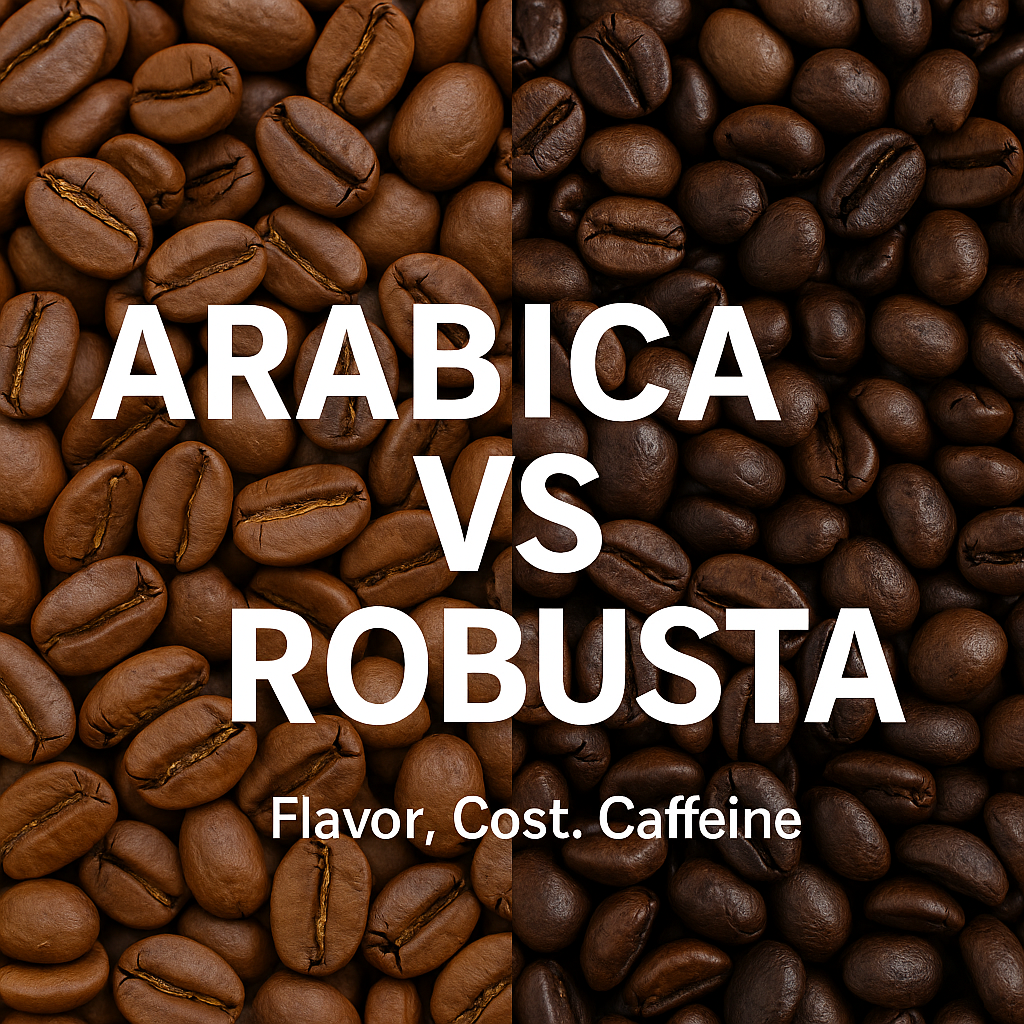
Coffee is more than a drink—it’s a global obsession, a cultural tradition, and a deeply personal experience. From hand-poured single-origin brews to high-pressure espresso shots, every cup tells a story that starts with the bean. And at the center of this story are two primary players: Arabica and Robusta. These coffee bean species dominate the global market, each offering its own unique characteristics that shape flavor, aroma, caffeine content, cost, and how the coffee behaves in your brewer or cup.
Whether you’re a casual coffee drinker who grabs a to-go cup each morning or a home barista with a pour-over setup and a grinder dialed to perfection, understanding the difference between Arabica and Robusta can elevate your coffee game. This guide takes a deep dive into everything from cultivation and flavor profiles to caffeine levels and price, helping you decide which bean type aligns best with your taste preferences, brewing method, and budget. We’ll also provide highly rated product recommendations and a top-tier book to help you explore the topic even further.
Disclosure: As an Amazon Associate I earn from qualifying purchases. This post may contain affiliate links.
🌱 What Is Arabica Coffee?
Coffea arabica, commonly referred to as Arabica, is the oldest and most widely consumed coffee species in the world. Believed to have originated in the Ethiopian highlands, Arabica now makes up approximately 60–70% of global coffee production. It is considered the gold standard of specialty coffee due to its delicate, complex flavor profile and naturally lower caffeine content. The plant grows best in cool, high-altitude regions with rich soil and consistent rainfall, which slows down the maturation process and allows the beans to develop more nuanced sugars and organic acids.
Arabica beans are physically identifiable by their elongated, oval shape and curved crease. These beans are structurally softer and less dense than Robusta, which makes them more responsive to precise roasting techniques, especially at light to medium roast levels. Arabica plants are more susceptible to pests, disease, and environmental changes, which contributes to lower yields and higher prices. However, their delicate nature is part of what allows for the exceptional complexity and clarity of flavor that coffee connoisseurs love. When properly cultivated and roasted, Arabica beans can showcase a wide range of aromas and taste notes that vary dramatically based on origin.
🌄 Growing Conditions
Arabica thrives at altitudes between 2,000 and 6,000 feet, particularly in regions such as Ethiopia, Colombia, Kenya, Guatemala, and parts of Brazil. These elevations provide cooler temperatures, typically between 59°F and 75°F, which slow the growth of the coffee cherries. The extended maturation period allows the beans to absorb more minerals and sugars from the soil, producing a richer and more layered flavor profile. However, Arabica’s sensitivity to frost, rainfall inconsistency, and pathogens such as coffee leaf rust makes it a high-maintenance crop. Farmers often need to employ organic practices, manual harvesting, and constant monitoring to maintain quality, which significantly increases production costs.
Despite these challenges, Arabica remains the preferred choice for specialty roasters, artisanal cafes, and high-end coffee enthusiasts. Its high concentration of lipids and nearly double the sugar content of Robusta contributes to a smoother texture, sweeter taste, and vibrant acidity. The diversity in flavor, from jasmine and citrus to berry and milk chocolate, allows Arabica to shine in single-origin coffees where the bean’s origin characteristics are front and center.
👃 Flavor Profile
Arabica’s most celebrated trait is its bright, complex, and layered flavor profile. Depending on its country of origin and how it’s processed, Arabica coffee can exhibit a wide spectrum of tasting notes: floral (like jasmine or rose), fruity (like berries or citrus), sweet (like caramel or honey), nutty, or chocolaty. The acidity in Arabica is generally perceived as a pleasant brightness—similar to how acidity enhances the taste of wine or fresh fruit. Because of its higher sugar and lipid content, Arabica is also naturally smoother and less bitter than Robusta.
This flavor complexity is best preserved through lighter roasting, which highlights the bean’s origin characteristics rather than masking them with darker, roast-dominant flavors. Arabica is the bean of choice for people who enjoy sipping and savoring coffee for its nuances, often describing their brews in terms more common to wine tasting. The mouthfeel is typically light to medium-bodied, with a clean finish and lingering sweetness. These attributes make Arabica ideal for slow brewing methods where clarity and balance are prioritized.
☕ Best Uses
Arabica excels in brewing methods that showcase its flavor clarity and complexity. Manual brewing devices such as pour-over drippers (V60, Kalita Wave), Chemex, and siphon brewers allow the subtle notes of the bean to come forward. It also performs beautifully in a French press, producing a fuller-bodied brew without sacrificing brightness. When used for espresso, Arabica provides a smoother, less bitter shot with floral or fruity top notes and a silky body. While it doesn’t produce as much crema as Robusta, its elegance in flavor more than compensates.
Because of its versatility and high quality, Arabica is the backbone of most specialty cafes and craft roasters. It is often offered as a single-origin to highlight the terroir, or in carefully curated blends that balance body and complexity. For anyone looking to appreciate coffee at its most expressive, Arabica is an excellent choice.
🌾 What Is Robusta Coffee?
Robusta coffee comes from the Coffea canephora plant and is the second most cultivated coffee species in the world. It accounts for about 30–40% of global production and is grown primarily in Vietnam, Brazil, Indonesia, and parts of Africa. Known for its bold flavor and higher caffeine content, Robusta has long been the go-to bean for budget-conscious roasters and mass-market blends. However, it’s increasingly gaining recognition in specialty circles for its strength, crema production, and potential for quality when grown and processed with care.
Robusta beans are rounder and smaller than Arabica, with a straight crease instead of a curved one. They grow on hardy plants that can tolerate higher temperatures, greater rainfall variability, and lower elevations. These traits make Robusta easier and less expensive to cultivate, particularly in tropical lowland environments. Though often dismissed as inferior, high-grade Robusta can offer distinctive taste profiles and exceptional crema when used appropriately, especially in espresso blends.
🌍 Growing Conditions
Robusta is grown at altitudes ranging from sea level to about 2,000 feet, thriving in hot, humid climates. It matures more quickly than Arabica and is more resistant to pests, diseases, and climate fluctuations, which allows for larger and more consistent yields. Its rugged nature also means that Robusta often requires less manual intervention, making it cheaper to produce at scale. These factors contribute to its popularity among large producers and its dominance in the instant coffee market.
Despite its easier cultivation, Robusta doesn’t enjoy the same prestige as Arabica—primarily because of its traditionally harsher flavor profile. However, when grown at optimal altitudes and carefully processed, it can produce a cleaner, richer cup. Some producers in Vietnam and India are pioneering specialty-grade Robustas with surprising complexity and low bitterness, helping to redefine the bean’s reputation.
💥 Flavor Profile
Robusta is best known for its strong, bitter, and earthy flavor, often described as woody, smoky, or even rubbery in lower-quality batches. It contains nearly twice the caffeine of Arabica—about 2.2% versus 1.2%—which not only makes the taste more astringent but also gives it a longer-lasting buzz. While Arabica emphasizes brightness and nuance, Robusta delivers impact: it’s bold, assertive, and leaves a heavy impression on the palate.
Higher-end Robusta, however, can offer flavors of dark chocolate, roasted nuts, and sweet tobacco, especially when medium roasted. It also has lower acidity and more crema-producing oils, which is why it’s favored in traditional Italian espresso blends. Robusta’s full body and long finish make it a compelling option for those who enjoy intense, no-nonsense coffee.
☕ Best Uses
Robusta shines in espresso and espresso-based drinks due to its crema-enhancing properties and strong body. It is commonly used in Italian-style espresso blends, Vietnamese phin brews, and instant coffee. Its bitterness balances milk and sugar well, making it ideal for cappuccinos, lattes, and other creamy drinks. It also performs well in cold brew, where its bold flavor isn’t overwhelmed by dilution.
When used thoughtfully in blends, Robusta can add structure, strength, and longevity to the flavor profile. Many professional roasters use a small percentage of high-quality Robusta to boost crema and add depth without sacrificing Arabica’s finesse. For those who want a caffeine kick and prefer deep, dark flavors, Robusta can be a powerful companion.
🔍 Arabica vs Robusta: Head-to-Head Comparison
| Feature | Arabica | Robusta |
|---|---|---|
| Flavor | Sweet, fruity, floral, nuanced | Bitter, earthy, smoky, intense |
| Caffeine | ~1.2% | ~2.2% |
| Acidity | High | Low |
| Body | Light to medium | Full, syrupy |
| Growing Altitude | 2,000–6,000 ft | 0–2,000 ft |
| Climate Tolerance | Sensitive | Hardy and drought-resistant |
| Price | Higher | Lower |
| Use in Espresso | Smooth, bright shot | Thick crema, bold taste |
| Shelf Life | Shorter due to oil content | Longer, more stable oils |
🛍️ Recommended Arabica Coffee Picks

Lavazza Super Crema Whole Bean Coffee Blend
⭐ Rating: 4.6 / 5
🔗 View on Amazon
A beloved choice among home brewers and espresso lovers, this blend combines Brazilian Arabica with other high-altitude beans to create a rich and smooth profile. The flavor notes include honey, almonds, and light fruitiness, paired with low acidity and a velvety crema. Perfect for anyone who wants a consistently balanced espresso or milk-based drink without overwhelming bitterness.
Lavazza Super Crema works well with a variety of brewing methods, including super-automatic machines and manual espresso setups. Its reliability, accessible flavor, and excellent crema production make it one of the best Arabica-based espresso blends on the market. It’s especially ideal for beginners seeking a forgiving, go-to bean.

Peet’s Coffee Major Dickason’s Blend
⭐ Rating: 4.7 / 5
🔗 View on Amazon
This bold, full-bodied blend of 100% Arabica beans is one of Peet’s most iconic offerings. With deep notes of chocolate, toasted spice, and a smoky finish, it appeals to those who enjoy richness without the harshness of low-quality dark roasts. Its complexity makes it suitable for French press, drip, and pour-over alike.
Major Dickason’s Blend is roasted to bring out layered, robust flavors that stand up well to milk and sugar, but it’s just as enjoyable black. It’s a great everyday coffee for those who like a darker, heartier profile without sacrificing smoothness or aromatic appeal.
🛍️ Recommended Robusta Coffee Picks
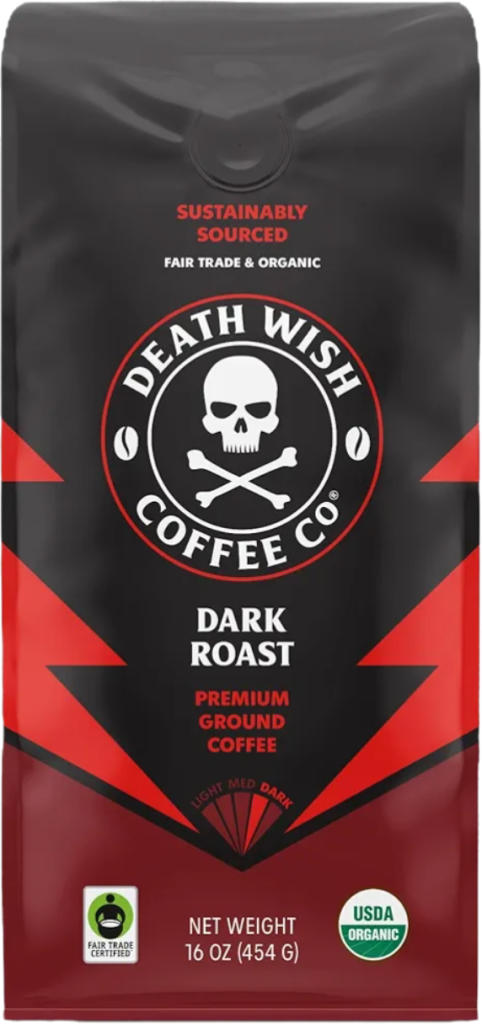
Death Wish Coffee Co. Dark Roast Grounds
⭐ Rating: 4.6 / 5
🔗 View on Amazon
Renowned for its ultra-high caffeine content, Death Wish Coffee blends Robusta and Arabica for maximum strength and flavor. Tasting notes include dark chocolate, black cherry, and a smoky edge, delivering a cup that’s rich, intense, and smooth enough to enjoy black.
Despite its potency, Death Wish is surprisingly low in acidity and bitterness, making it ideal for those who want a powerful brew without rough edges. It’s perfect for drip machines, French presses, and cold brew setups, and a great pick for caffeine lovers or endurance coffee drinkers.
Nguyen Coffee Supply – Truegrit Robusta Beans

⭐ Rating: 4.5 / 5
🔗 View on Amazon
Vietnam’s leading specialty Robusta producer, Nguyen Coffee Supply sources sustainable, direct-trade beans from local farmers. The Truegrit Robusta offers a bold, clean cup with notes of dark cocoa, graham cracker, and a mild smokiness. It’s a game-changer for those skeptical of Robusta’s potential.
Ideal for brewing in a phin filter, French press, or espresso machine, Truegrit shows that Robusta can be more than bitter and brash—it can be refined, flavorful, and incredibly satisfying. Nguyen’s mission to bring transparency and equity to the coffee trade adds even more reason to support this standout brand.
📘 Further Reading: The World Atlas of Coffee by James Hoffmann
⭐ Rating: 4.8 / 5
🔗 View on Amazon
For those wanting to deepen their understanding of coffee’s complexities, this book by World Barista Champion James Hoffmann is an essential reference. The World Atlas of Coffee covers over 30 producing countries, exploring how origin, altitude, processing, and climate impact the final flavor in your cup.
In addition to origin information, the book offers a wealth of knowledge on roasting science, brewing techniques, and coffee tasting. Its stunning maps, illustrations, and practical breakdowns make it valuable for beginners and experts alike. Whether you’re studying coffee professionally or just want to appreciate it more fully, this atlas offers both breadth and depth.
☕ Final Thoughts: Choose Your Coffee Identity
Arabica or Robusta? That choice depends on your preferences, purpose, and brewing style. Arabica provides refinement, elegance, and a rich tapestry of flavors perfect for exploration. Robusta brings strength, caffeine power, and reliability to your cup, especially in espresso and bold blends.
Both have a place in the world of great coffee. Don’t limit yourself—experiment with both types, explore origins and roasters, and discover what makes your ideal cup. Whether you’re chasing nuance or caffeine, coffee’s diversity ensures there’s always something new to try.
Brew with purpose. Taste with curiosity. And let every cup take you somewhere unexpected.
Back to Coffee and Espresso 101