Categories
Uncategorized

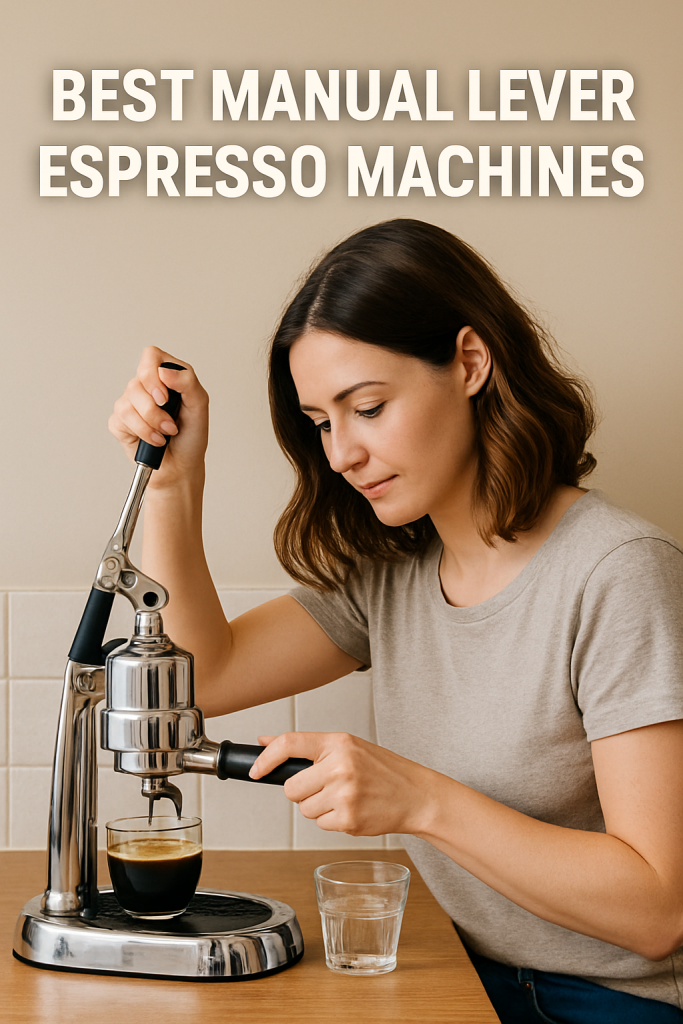
Best Manual Lever Machines for Home Use

There’s something deeply satisfying about pulling the perfect espresso shot with your own hands. The gentle resistance of the lever, the precise control over pressure, the ritual of crafting each cup—manual lever machines turn your morning routine into an art form.

But here’s the thing: not all lever machines are created equal. Some require a master’s touch while others welcome beginners with open arms. We’ve tested, compared, and lived with the top manual lever machines to bring you what really works in real home kitchens.

Understanding Manual Lever Machines

Manual lever espresso machines represent coffee brewing in its purest form. Unlike their electric counterparts, these machines put you in complete control of every variable—pressure, timing, and flow rate. When you pull that lever down, you’re generating the 9 bars of pressure needed to extract those complex flavors locked inside your coffee grounds.

The learning curve exists, but don’t let that intimidate you. Even seasoned baristas started somewhere, and with the right machine and a bit of patience, you’ll be pulling café-quality shots at home.

Disclosure: HydroBrewLab may earn a commission from purchases made through our Amazon affiliate links. This doesn’t affect our testing process or recommendations—we only recommend products we’ve thoroughly tested and genuinely believe will enhance your brewing experience. Our reviews are based on real-world testing and performance, not marketing partnerships.

Our Top Manual Lever Machine Picks

1. Flair Classic with Pressure Kit – The Precision Champion

Amazon Rating: 4.4/5 stars
View on Amazon

The Flair Classic with Pressure Kit delivers professional-quality espresso through pure manual control. This lever-operated machine features a custom pressure gauge that provides immediate visual feedback, letting you dial in the perfect 6-9 bar extraction range for consistently exceptional shots.

What Makes It Special:

  • Completely detachable brewing head for easy cleaning
  • Built-in pressure gauge for precise extraction control
  • 100% human-powered with no electricity required
  • Fully portable with included padded carrying case
  • Upgraded stronger base, post, and lever construction

Best For: Coffee enthusiasts who want complete control over their brewing process and the ability to make café-quality espresso anywhere.

2. La Pavoni EPC-8 Europiccola – The Italian Artisan

Amazon Rating: 4.3/5 stars
View on Amazon

The La Pavoni Europiccola is a full-blown espresso machine with steam wand, 0.8L boiler capable of producing up to 8 cups, and retails around $900. This is lever espresso at its most traditional—beautiful, demanding, and rewarding.

What Makes It Special:

  • Built-in steam wand for milk drinks
  • Gorgeous brass and chrome construction
  • True Italian craftsmanship
  • Large boiler capacity for multiple drinks

Best For: Advanced users who appreciate traditional techniques and want full café capabilities at home.

3. ROK Presso – The Accessible Champion

Amazon Rating: 4.2/5 stars
View on Amazon

The ROK Presso tops many lists mainly because of its durability and lower price point, weighing only 4 pounds despite being made of stainless steel. At just over $200, it’s the most affordable option among premium manual machines.

What Makes It Special:

  • No electricity required—completely manual
  • Incredibly portable at 4 pounds
  • Durable stainless steel construction
  • Simple operation for beginners

Best For: Budget-conscious beginners or those wanting a portable solution for travel and camping.

4. Ponte Vecchio Lusso – The Italian Craftsman

Amazon Rating: 4.2/5 stars
View on Amazon

The Ponte Vecchio Lusso represents authentic Italian lever espresso craftsmanship at an accessible price point. This spring lever machine features a thermosiphon design that provides exceptional temperature stability, allowing you to pull consistent shots while steaming milk simultaneously—a rare capability in home lever machines.

What Makes It Special:

  • True spring lever operation with thermosiphon temperature control
  • Ability to steam milk while pulling shots (like commercial machines)
  • Handcrafted Italian construction from brass and stainless steel
  • Built-in pressure gauge and visual water level indicator
  • Automatic operation controlled by pressure switch

Best For: Intermediate to advanced users who want authentic Italian lever espresso with the convenience of simultaneous brewing and steaming capabilities

5. Leverpresso V4 – The Travel Companion

Amazon Rating: 4.1/5 stars
View on Amazon

Perfect for the mobile coffee lover, the Leverpresso V4 proves that great espresso doesn’t require a permanent counter space commitment.

What Makes It Special:

  • Ultra-portable design
  • 51mm ridgeless filter basket
  • No electricity required
  • Perfect for camping and travel

Best For: Coffee enthusiasts who travel frequently or have limited kitchen space.

Choosing Your Perfect Lever Machine

Budget Considerations:

Skill Level Matching:

Space Requirements: All these machines are more compact than traditional espresso machines, but consider your counter space and storage needs.

Mastering Your Lever Technique

Lever espresso is part science, part art. Here’s what really works:

The Pre-Infusion: Start with gentle pressure to saturate the grounds before full extraction. This prevents channeling and ensures even extraction.

Pressure Control: Aim for 9 bars of pressure during extraction. Most machines will give you tactile feedback through the lever resistance.

Timing Matters: A typical shot should take 25-30 seconds from first drip to finish.

Grind Consistency: Invest in a quality burr grinder. Your lever machine will highlight every inconsistency in your grind.

Remember, even master baristas encounter challenges. Every “bad” shot teaches you something about your technique, your coffee, or your machine. Don’t be afraid to experiment with different pressures, timings, and techniques.

The Bottom Line

Manual lever machines transform your relationship with espresso. They demand attention and reward skill, turning each cup into a mindful ritual rather than a rushed routine.

Our Top Recommendation: The Flair Classic with Pressure Kit offers the best entry point into serious lever espresso. Its pressure gauge removes guesswork while preserving the hands-on experience that makes lever brewing special, and it’s fully portable for coffee adventures.

For Budget-Conscious Buyers: The ROK Presso delivers impressive results at an accessible price point.

For the Traditionalist: Nothing beats the La Pavoni Professional for authentic Italian lever espresso with full café capabilities.

Whatever machine you choose, remember that mastery comes with practice. Start with quality beans, dial in your grind, and trust the process. With time, patience, and the tips in this guide, you’ll be pulling shots that rival your favorite coffee shop.

Head back to Home Espresso Machines

Categories
Uncategorized

Espresso Machines for Beginners: What to Look For

Walking into the world of espresso can feel overwhelming. You’re standing in front of dozens of machines with price tags ranging from $200 to $2,000, each promising to deliver café-quality shots at home. The technical jargon alone—portafilters, thermoblocks, PID controllers—can make your head spin.

But here’s the truth: you don’t need to master every technical detail to choose the right machine. What you need is a clear understanding of what actually matters for your brewing goals and lifestyle.

Understanding the Espresso Machine Landscape

Before diving into features, let’s establish what we’re working with. Home espresso machines fall into three main categories, each designed for different experience levels and commitment levels.

Manual/Lever Machines put you in complete control of pressure and timing. Think of them as the sports cars of espresso—thrilling once you know how to drive, but not ideal for your first machine. The La Pavoni PC-16 Professional stands as the gold standard here, offering the authentic lever experience with a solid brass boiler and exceptional build quality.

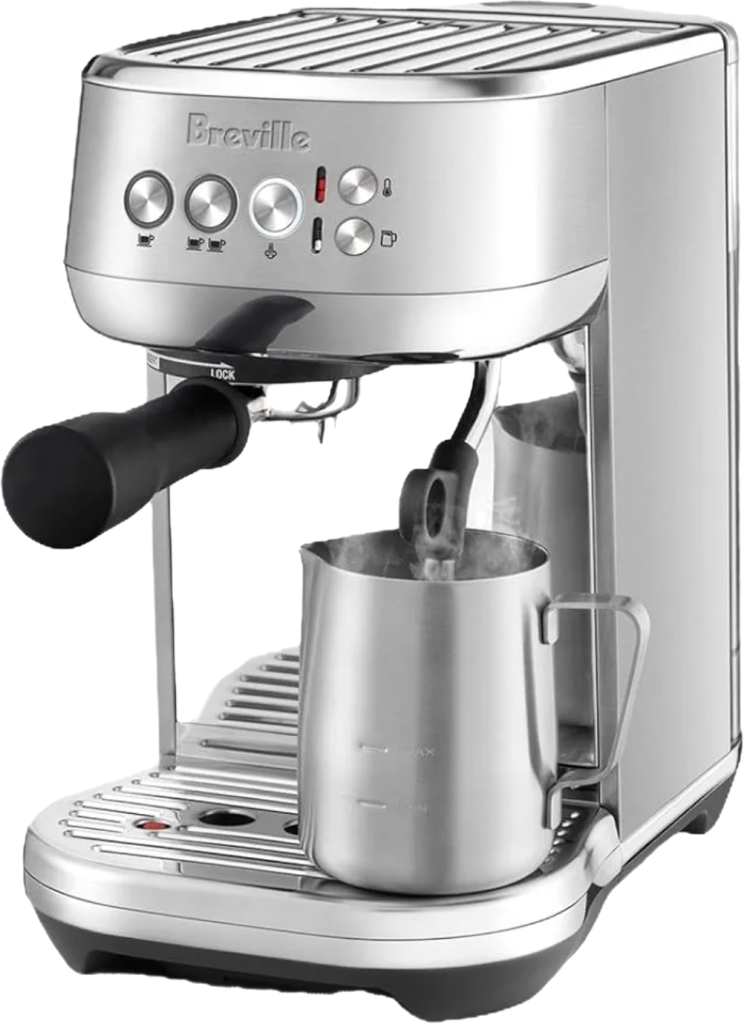
Semi-Automatic Machines handle water temperature and pressure while you control grind, dose, and timing. This is the sweet spot for most beginners who want to learn proper technique without fighting their equipment. The Breville Bambino Plus consistently delivers café-quality shots while remaining forgiving enough for newcomers to master.

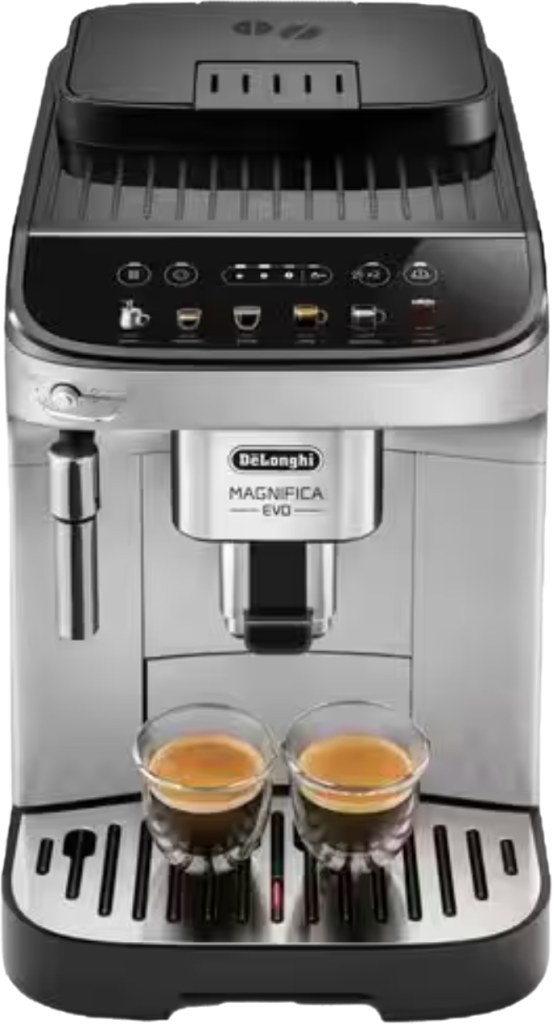
Super-Automatic Machines do everything at the press of a button. They’re convenient but limit your ability to develop skills and adjust variables when things go wrong. The De’Longhi Magnifica Evo offers excellent value with its built-in grinder and automatic milk frother, making it perfect for busy mornings.

For beginners serious about learning espresso, semi-automatic machines offer the best balance of control and forgiveness.

The Essential Features That Actually Matter

When manufacturers list dozens of features, it’s easy to get lost in specifications that sound impressive but don’t impact your daily brewing experience. Here’s what really makes a difference:

Consistent Water Temperature

Your espresso machine needs to maintain water temperature between 195-205°F consistently. Temperature swings create sour or bitter shots, and no amount of technique can compensate for unstable brewing temperature.

Look for machines with thermoblock or dual-boiler systems rather than basic heating elements. You’ll see this reflected in more stable extraction and better-tasting coffee from day one.

Adequate Pressure Control

Proper espresso extraction requires 9 bars of pressure, but many budget machines either can’t reach this consistently or exceed it dramatically. Over-pressure leads to bitter, over-extracted shots that mask the nuances you’re trying to taste.

Quality machines include pressure gauges or internal regulation systems that maintain optimal pressure throughout the brewing process.

Steam Wand Performance

If you enjoy milk-based drinks, your steam wand quality determines whether you’ll create silky microfoam or disappointing bubbles. Look for machines with dedicated steam boilers or sufficient power recovery between brewing and steaming.

A good steam wand should produce consistent steam pressure and allow you to control texture and temperature precisely.

Our Top Picks for Each Category

Best Lever Machine: La Pavoni PC-16 Professional

View on Amazon

The La Pavoni PC-16 Professional represents lever espresso at its finest. This Italian-made machine features a solid brass 38-ounce boiler, chrome-plated construction, and the iconic lever mechanism that coffee purists love. With a 16-cup capacity and dual frothing systems, it’s built to last decades.

Why we recommend it: This machine teaches you espresso fundamentals while delivering exceptional results. The manual pressure control lets you experiment with extraction profiles, and the robust construction means it’s genuinely an investment piece. Users report owning these machines for 20+ years with minimal maintenance.

Best for: Experienced coffee enthusiasts who want complete control and don’t mind a learning curve.

Best Semi-Automatic: Breville Bambino Plus


View on Amazon

The Bambino Plus hits the sweet spot between performance and user-friendliness. It’s quick to heat, comes in a compact package, pulls great espresso shots, and has an automatic steam wand that creates microfoam silky enough for latte art. The machine consistently ranks as a top choice among coffee experts.

Why we recommend it: This machine forgives beginner mistakes while teaching proper technique. The automatic steam wand removes the guesswork from milk frothing, and the compact design fits most kitchens. It heats up in just 3 seconds and maintains consistent brewing temperature.

Best for: Beginners who want to learn proper espresso technique with a forgiving, high-quality machine.

Best Super-Automatic: De’Longhi Magnifica Evo

View on Amazon

The De’Longhi Magnifica Evo Automatic Espresso & Coffee Machine with Automatic Milk Frother for Latte, Cappuccino, Iced Coffee, Built-in Grinder delivers consistent results with minimal effort. The built-in burr grinder and automatic milk system handle the technical aspects while you enjoy café-quality drinks.

Why we recommend it: Perfect for busy households that want excellent coffee without the daily ritual. The machine handles grinding, dosing, tamping, and milk frothing automatically. The built-in grinder ensures freshly ground beans for every cup, and the maintenance is straightforward.

Size and Space Considerations

Your perfect espresso machine fits your kitchen and lifestyle, not the other way around. Measure your counter space carefully, accounting for the machine’s height when the water reservoir is removed for refilling.

Consider workflow space too. You’ll need room for your grinder, portafilter, tamper, and cups. Many beginners underestimate how much counter real estate their espresso setup will require.

Water reservoir capacity matters if you’re brewing multiple drinks daily or entertaining guests. Smaller reservoirs mean more frequent refilling, which can interrupt your brewing flow.

Build Quality Indicators

A reliable espresso machine should feel substantial and well-constructed. Here’s what to examine:

Portafilter Weight and Fit: Quality machines include heavy, well-machined portafilters that lock securely into the group head without wobbling. Lightweight portafilters often indicate corners cut in manufacturing.

Control Response: Buttons, switches, and dials should operate smoothly with clear feedback. Mushy or sticky controls suggest poor internal component quality.

Material Construction: Stainless steel and brass components last longer than plastic alternatives, especially in high-heat, high-pressure environments.

Budget Considerations and Value

Your first espresso machine doesn’t need to be your last espresso machine. Many coffee enthusiasts upgrade as their skills and preferences develop, so focus on machines that offer good value rather than trying to buy everything at once.

Budget-friendly machines in the $300-600 range can produce excellent espresso when paired with a quality grinder. Spending more on your grinder than your machine often yields better results than the reverse.

Factor in ongoing costs beyond the initial purchase. Some machines require expensive proprietary parts, special cleaning products, or frequent professional servicing.

Common Beginner Mistakes to Avoid

Choosing Based on Aesthetics Alone: That sleek machine might look perfect in your kitchen, but if it can’t maintain consistent temperature or pressure, your coffee will suffer daily.

Ignoring the Grinder: Your grinder impacts espresso quality more than any other single factor. Budget at least as much for a quality burr grinder as you spend on your machine.

Buying Too Much Machine: Super-automatic machines with dozens of programmable settings can overwhelm beginners and actually slow skill development.

Skipping the Learning Curve: Even the best machine requires technique. Plan to spend time learning proper dosing, tamping, and timing rather than expecting perfect shots immediately.

Making Your Decision

Start by honestly assessing your commitment level. If you want convenient coffee without learning technique, a super-automatic machine makes sense. If you’re excited about developing barista skills and understanding espresso variables, invest in a quality semi-automatic machine.

Consider your daily routine too. Do you need quick morning shots, or do you have time for a more involved brewing process? Your lifestyle should guide your choice more than technical specifications.

Test machines when possible. Many specialty coffee shops and appliance stores offer demonstrations that let you experience the actual brewing process before committing.

Your Next Steps

Choosing your first espresso machine is just the beginning of your coffee journey. Focus on machines that offer room to grow while delivering consistent results from day one.

Remember that even seasoned baristas needed time to develop their skills. Your machine should support that learning process, not fight against it.

Start with a solid foundation—a reliable semi-automatic machine with consistent temperature and pressure control—and you’ll be pulling café-quality shots sooner than you expect. The perfect shot isn’t about having the most expensive equipment; it’s about understanding your variables and having tools that respond predictably to your adjustments.

Don’t be afraid to experiment once you’ve chosen your machine. Every espresso setup is unique, and finding your perfect brewing formula is part of the satisfaction that keeps coffee enthusiasts returning to their machines day after day.

Quick Comparison: Which Machine Type is Right for You?

FeatureLever (La Pavoni PC-16)Semi-Auto (Bambino Plus)Super-Auto (Magnifica Evo)
Price Range$1,200-$1,500$400-$500$600-$800
Learning CurveSteep (weeks to master)Moderate (days to weeks)Minimal (immediate)
Daily Time Investment10-15 minutes5-8 minutes2-3 minutes
Control LevelComplete manual controlMedium controlLimited control
ConsistencyVariable (skill-dependent)Good with practiceExcellent
Milk FrothingManual steam wandAutomatic steam wandFully automatic
MaintenanceLow (simple mechanics)Medium (regular cleaning)High (automatic systems)
Coffee Quality PotentialExceptional (when mastered)ExcellentVery good
Kitchen Counter SpaceMedium footprintCompactLarge footprint
Best ForCoffee purists & hobbyistsLearning baristasBusy households
Upgrade PathFinal destinationCan upgrade laterLimited upgrades
Guest-FriendlyNo (requires skill)Somewhat (with instruction)Yes (one-button operation)

Bottom Line: Choose the lever if you love the craft, the semi-automatic if you want to learn proper technique, or the super-automatic if convenience trumps everything else.

Head back to Home Espresso Machines
Categories
Uncategorized

Barista Terms Explained: From Channeling to Tamping Pressure

Walking into a specialty coffee shop can feel like entering a foreign country—one where everyone speaks fluent “barista.” You’ll hear terms like “channeling,” “extraction yield,” and “crema quality” tossed around with the confidence of seasoned professionals. But here’s the thing: understanding these terms isn’t just about sounding knowledgeable at your local café. It’s about mastering the perfect sip at home.

Even the most passionate home brewers encounter moments where the barista terminology feels overwhelming. That’s completely normal—coffee is a fascinating blend of science and art, and like any craft, it comes with its own language. The good news? Once you understand these key terms, you’ll unlock a deeper appreciation for your daily brew and troubleshoot issues with confidence.

The Foundation: Understanding Coffee Extraction

Before diving into specific terms, let’s establish the foundation. Coffee brewing is essentially controlled extraction—we’re pulling desirable flavors from ground coffee beans using hot water. Everything we do as baristas, from grind size to tamping pressure, influences how this extraction happens.

Extraction Yield

This measures how much coffee material (as a percentage) dissolves into your cup. The specialty coffee industry targets 18-22% extraction yield for optimal flavor balance. Too low, and you’ll taste sour, underdeveloped notes. Too high, and bitter, harsh flavors dominate.

Real-world application: If your espresso tastes weak or sour, you’re likely under-extracting. If it’s bitter and astringent, you’ve over-extracted.

Total Dissolved Solids (TDS)

TDS measures the concentration of coffee compounds in your final cup, typically expressed as a percentage. For espresso, we target 8-12% TDS, while drip coffee ranges from 1.2-1.5%.

Why it matters: TDS helps you understand whether your coffee is too weak (low TDS) or too strong (high TDS), independent of extraction issues.

Espresso-Specific Terms Every Home Barista Should Know

Channeling

This is the enemy of consistent espresso extraction. Channeling occurs when water finds the path of least resistance through your coffee puck, creating uneven extraction. You’ll see this as fast-flowing streams or “blonde” spots in your espresso.

Common causes:

  • Uneven tamping pressure
  • Inconsistent grind size
  • Cracks or gaps in the coffee puck
  • Worn or dirty portafilter basket

The fix: Focus on distribution technique before tamping. Use a distribution tool or the “Weiss Distribution Technique” (stirring with a thin tool) to break up clumps.

Crema

That golden-brown foam layer sitting atop your espresso isn’t just for Instagram—it’s a visual indicator of extraction quality. Fresh, properly extracted espresso produces thick, persistent crema with a rich, marbled appearance.

What crema tells you:

  • Thick, persistent crema: Good extraction from fresh beans
  • Thin, disappearing quickly: Stale beans or under-extraction
  • Dark, bitter-looking: Over-extraction or too-fine grind
  • Blonde, fast-flowing: Under-extraction or channeling

Tamping Pressure

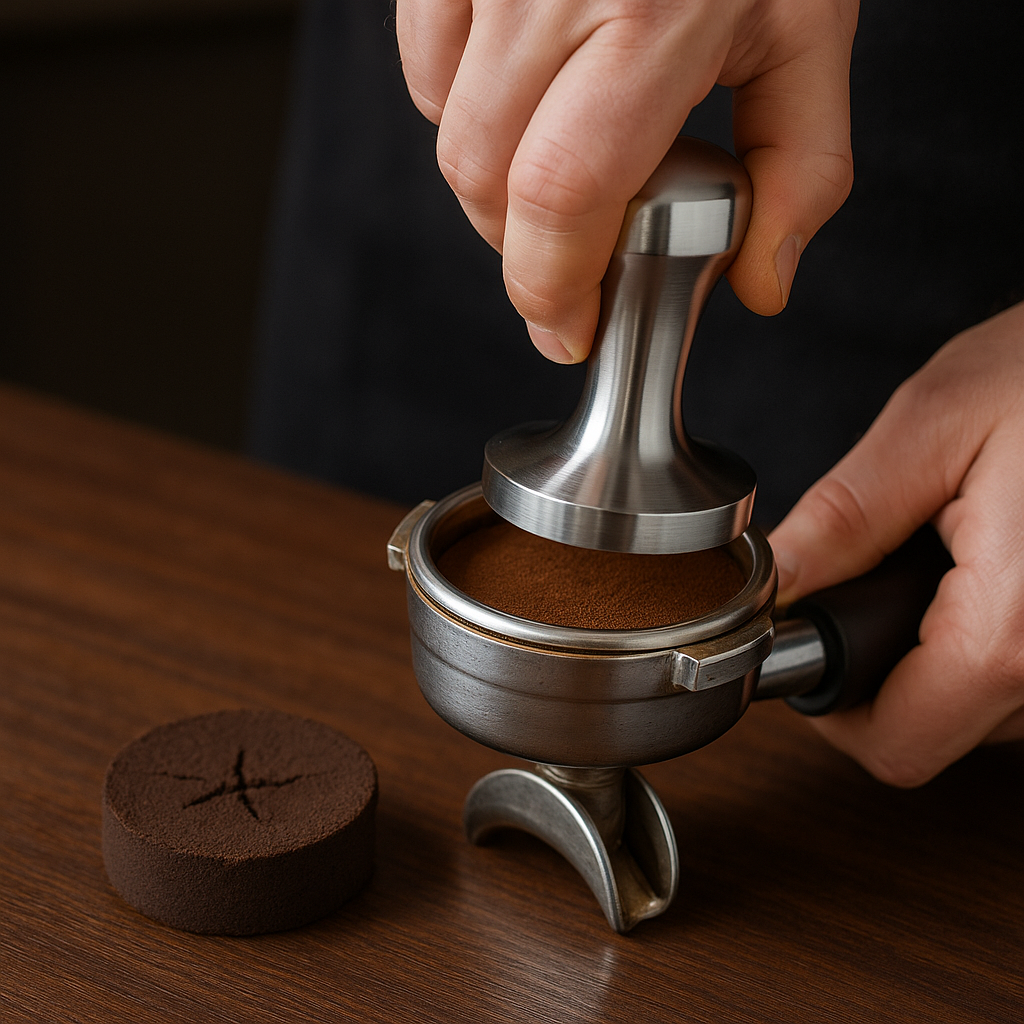
Here’s where many home baristas get caught up in perfectionism. The exact pressure—whether 15, 20, or 30 pounds—matters less than consistency. Professional baristas focus on creating a level, evenly compressed puck that provides consistent resistance to water flow.

The technique that works: Apply firm, steady pressure (aim for about 30 pounds if you want a number) while keeping the tamper level. The goal is eliminating air pockets and creating uniform density throughout the puck.

Shot Time and Flow Rate

For espresso, we typically target 25-30 seconds for a double shot (18-20g coffee in, 36-40g liquid out). But these are guidelines, not gospel—taste should always be your final judge.

Troubleshooting flow:

  • Too fast (under 20 seconds): Grind finer or increase dose
  • Too slow (over 35 seconds): Grind coarser or decrease dose
  • Inconsistent flow: Check for channeling or uneven distribution

Grind and Brewing Terms

Particle Size Distribution

Your grinder doesn’t produce perfectly uniform particles—it creates a range of sizes. Better grinders produce tighter particle size distribution, meaning more consistency and better extraction control.

Why it matters: Wide particle distribution leads to simultaneous over- and under-extraction. Fine particles extract quickly (potentially over-extracting), while large particles extract slowly (under-extracting).

Burr vs. Blade Grinders

Burr grinders crush beans between two abrasive surfaces, creating more consistent particle sizes. Blade grinders chop beans, producing irregular particles and inconsistent extraction.

The bottom line: If you’re serious about coffee quality, invest in a burr grinder. It’s the single most impactful upgrade most home brewers can make.

Grind Retention

This refers to coffee grounds that remain in your grinder between uses. High retention can lead to stale grounds mixing with fresh ones, affecting flavor consistency.

Managing retention: Single-dose grinding (weighing beans before grinding) and purging a small amount between different coffees helps maintain freshness and consistency.

Brewing Variables and Ratios

Brew Ratio

This expresses the relationship between coffee dose and final beverage weight. For espresso, we typically use 1:2 ratios (18g coffee to 36g liquid output). Pour-over methods often use 1:15 to 1:17 ratios.

Adjusting ratios: Stronger coffee doesn’t always mean better coffee. If your brew tastes weak, consider adjusting grind size or extraction time before changing ratios.

Water Temperature

The specialty coffee standard ranges from 195-205°F (90-96°C), but optimal temperature depends on roast level and personal preference. Lighter roasts often benefit from higher temperatures, while darker roasts may taste better with slightly cooler water.

Bloom (Pour-Over)

When hot water first contacts ground coffee, trapped CO2 gas escapes, causing the coffee bed to “bloom” or puff up. This initial 30-45 second phase allows for better water penetration and more even extraction.

Quality Control Terms

Cupping

This standardized tasting method helps evaluate coffee quality and identify flavor characteristics. Professional cuppers use specific protocols for grinding, water temperature, and timing to ensure consistent evaluation.

Home application: You don’t need formal cupping skills, but developing your palate through intentional tasting helps you make better brewing decisions.

Flavor Notes vs. Tasting Notes

Flavor notes describe what you actually taste in the cup, while tasting notes are the roaster’s description of expected flavors. Your palate, brewing method, and water quality all influence whether you’ll taste those suggested notes.

Troubleshooting with Barista Terminology

Understanding these terms transforms troubleshooting from guesswork into systematic problem-solving. When your espresso tastes sour, you know to check extraction yield. When you see channeling, you focus on distribution and tamping consistency.

Here’s the beautiful part about coffee terminology—it’s not about impressing others or sounding professional. It’s about having the vocabulary to identify problems, communicate solutions, and continuously improve your brewing technique.

Building Your Coffee Vocabulary

Don’t feel pressured to memorize every term immediately. Start with the basics that directly impact your daily brewing routine. As you experiment and refine your technique, you’ll naturally absorb more terminology through practical application.

The specialty coffee community loves sharing knowledge, so don’t hesitate to ask questions at your local coffee shop. Most baristas genuinely enjoy discussing technique and helping fellow coffee enthusiasts improve their skills.

Remember, even professional baristas continue learning throughout their careers. Coffee is endlessly fascinating precisely because there’s always another variable to explore, another technique to master, or another flavor profile to discover.

Master the perfect sip by understanding the language—but never lose sight of the ultimate goal: brewing coffee that brings you joy, one cup at a time.


Essential Reading: The Coffee Dictionary by Maxwell Colonna-Dashwood

Goodreads Rating: 4.1/5 stars Check Current Price on Amazon

Maxwell Colonna-Dashwood’s “The Coffee Dictionary” isn’t just another coffee book cluttering your shelf—it’s the reference guide that cuts through the industry jargon and actually makes coffee knowledge accessible. This three-time UK Barista Champion and World Barista Championship finalist has taken hundreds of coffee terms and techniques and organized them into what readers consistently call “simply amazing” and praise for going “very nicely in depth but not to the point where it becomes long and boring to read.”

What sets this dictionary apart from other coffee references is Colonna-Dashwood’s real-world expertise. This isn’t theoretical knowledge—it’s practical wisdom from someone who’s competed at the highest levels and co-owns an award-winning London roastery. With hundreds of entries on everything from sourcing, growing and harvesting, to roasting, grinding and brewing, three-time UK Barista Champion & three-time world finalist Maxwell Colonna-Dashwood explains the key factors that impact the taste of your drink.

The book tackles that overwhelming feeling every coffee enthusiast knows—when specialty coffee terminology starts flying and you’re left wondering what half the words even mean. For the newcomer to specialty coffee drinking, or anyone with an interest in coffee more generally, sometimes the various terms used can be a little overwhelming. Colonna-Dashwood solves this by organizing complex concepts into digestible, alphabetical entries that you can reference on demand or read cover to cover.

Beyond just definitions, this dictionary connects the dots between technique and taste. Each entry explains not just what something is, but why it matters for your cup quality. This approach aligns perfectly with what we’ve learned through our own testing—understanding the science behind coffee preparation is what separates good coffee from exceptional coffee.

The visual presentation deserves special mention. The book itself is stunning with lots of little illustrations spread throughout the book. These aren’t just decorative—they’re functional illustrations that help clarify complex brewing concepts and equipment variations.

For serious home brewers and coffee professionals alike, “The Coffee Dictionary” serves as both learning tool and practical reference. Whether you’re troubleshooting extraction issues, exploring new brewing methods, or simply trying to understand what your local roaster means by “bright acidity,” this book provides the knowledge foundation that elevates your coffee game from guesswork to intentional craft.

Don’t expect romantic coffee farm stories or marketing fluff—this is pure, practical coffee knowledge organized for real-world application. It’s the kind of resource that earns its place next to your grinder, not gathering dust on a bookshelf.

Back to Coffee and Espresso 101

Categories
Uncategorized

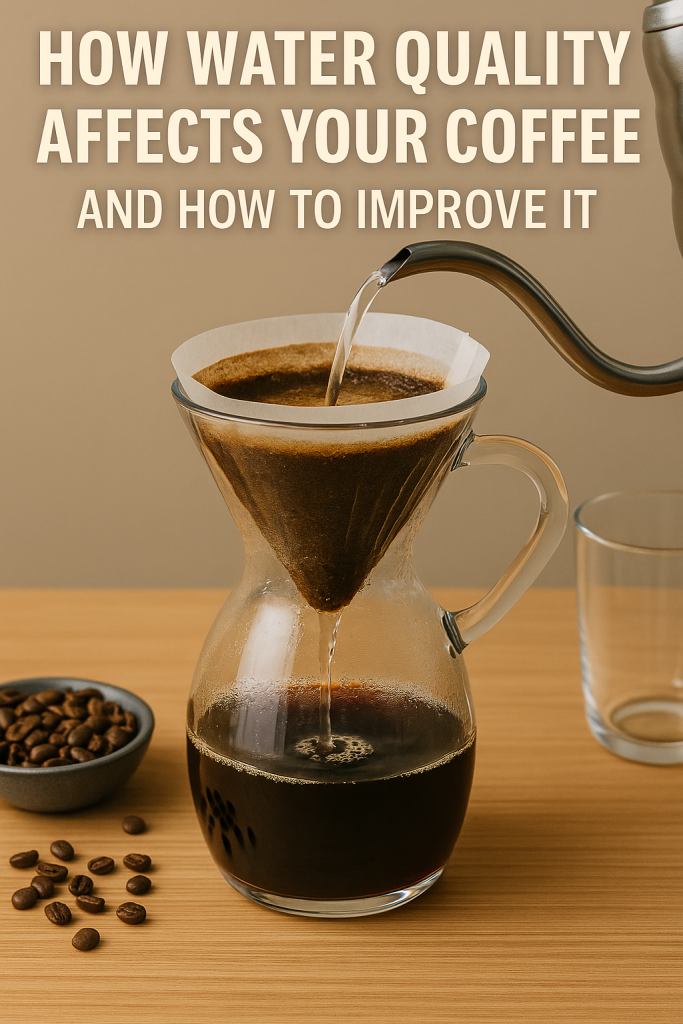
How Water Quality Affects Your Coffee (And How to Improve It)

Your coffee is 98% water. Let that sink in for a moment. No matter how premium your beans, how precise your grind, or how perfect your brewing technique, if your water quality is poor, your coffee will suffer. Yet water is often the most overlooked element in the home brewing equation.

At HydroBrewLab, we’ve tested dozens of brewing setups, and the single most dramatic improvement we’ve seen comes from addressing water quality. The difference between brewing with tap water versus properly filtered water isn’t subtle—it’s transformational. Your coffee can go from muddy and harsh to bright and clean with this one change.

Understanding how water affects extraction, flavor, and aroma will revolutionize your daily brew. More importantly, we’ll show you exactly how to test, improve, and optimize your water for consistently exceptional coffee at home.

Disclosure

This post contains affiliate links. As an Amazon Associate, I earn from qualifying purchases at no additional cost to you. I only recommend products I genuinely believe in and have researched thoroughly. Your support helps keep HydroBrewLab running and allows me to continue providing detailed coffee guides and reviews.

The Science: Why Water Quality Matters So Much

Water isn’t just a neutral medium for extracting coffee—it’s an active participant in the brewing process. The minerals, pH level, and purity of your water directly impact:

Extraction efficiency: How well water pulls flavors from your coffee grounds Taste balance: The relationship between acidity, sweetness, and bitterness Aroma development: How volatile compounds are released and preserved Mouthfeel: The body and texture of your finished cup

Think of water as the solvent that unlocks your coffee’s potential. Poor quality water creates barriers to extraction, while optimized water acts as a key that opens up complex flavors you never knew existed in your beans.

The Major Water Quality Culprits

Chlorine: The Flavor Killer

The problem: Municipal water treatment adds chlorine to kill bacteria, but it also kills your coffee’s delicate flavors. Even small amounts create a harsh, chemical taste that masks the nuanced notes you’re paying premium prices to experience.

How it affects coffee: Chlorine doesn’t just add off-flavors—it actively disrupts the extraction process, preventing proper development of acids and aromatics that give coffee its character.

The fix: Any quality carbon filter will remove chlorine effectively and immediately improve your coffee.

Hard Water: The Double-Edged Sword

The problem: Hard water contains high levels of calcium and magnesium. While some minerals are essential for proper extraction, too much creates scaling in your equipment and produces flat, over-extracted coffee.

How it affects coffee: Excessive minerals lead to uneven extraction, with some compounds being pulled out too aggressively while others remain locked in the grounds.

The fix: Water softening or reverse osmosis, followed by remineralization to optimal levels.

Soft Water: The Under-Extractor

The problem: Completely soft water lacks the minerals needed for proper extraction. Your coffee ends up weak, sour, and lacking body—no matter how much coffee you use.

How it affects coffee: Without sufficient minerals, water can’t effectively extract the compounds that create coffee’s full flavor profile.

The fix: Mineral addition systems or brewing salts to achieve optimal mineral content.

pH Imbalance: The Hidden Factor

The problem: Water that’s too acidic or too alkaline throws off the entire extraction process and creates harsh, unbalanced flavors.

How it affects coffee: pH affects which compounds extract at what rate, leading to either under-extraction (sour, weak) or over-extraction (bitter, harsh).

The fix: pH adjustment through proper filtration and mineral balancing.

What Good Water Tastes Like (And Bad Water Too)

Before diving into technical solutions, let’s establish what you’re aiming for:

Ideal brewing water should:

  • Taste clean and neutral with no off-flavors
  • Have a slight mineral presence without being “hard”
  • Feel smooth, not slippery or rough
  • Have no chlorine or chemical smell

Problem water often:

  • Tastes metallic, chlorinated, or “flat”
  • Feels either slippery (too soft) or leaves residue (too hard)
  • Has noticeable odors or aftertastes
  • Makes your coffee taste muddy or harsh regardless of bean quality

Testing Your Water: Know What You’re Working With

You can’t improve what you don’t measure. Here’s how to assess your current water quality:

Simple At-Home Tests

The taste test: Brew the same coffee with your tap water and quality bottled water side by side. The difference will reveal how much your water is impacting flavor.

The kettle test: Boil water in a clean kettle. Good water should have minimal mineral buildup after regular use.

The ice cube test: Freeze your tap water. Cloudy ice indicates dissolved gases and minerals that can affect coffee extraction.

Professional Water Testing

For serious coffee improvement, invest in a comprehensive water test:

TDS (Total Dissolved Solids) meter: Measures overall mineral content

  • Ideal range: 75-150 ppm for coffee brewing
  • Under 75 ppm: likely too soft
  • Over 300 ppm: probably too hard

Water analysis strips: Test for chlorine, pH, hardness, and other factors Professional lab testing: Most comprehensive option for serious home brewers

What the Numbers Mean for Coffee

Optimal brewing water specifications:

  • TDS: 75-150 ppm
  • pH: 6.5-7.5
  • Hardness: 1-5 grains per gallon
  • Chlorine: 0 ppm
  • Alkalinity: 40-70 ppm

These ranges provide the mineral content needed for proper extraction while avoiding the problems of excessive hardness or chemical interference.

Water Improvement Solutions: From Simple to Sophisticated

Level 1: Basic Filtration (Budget: $20-100)

Carbon filters: Remove chlorine and basic contaminants

  • Best for: Addressing chlorine taste and odor
  • Limitations: Don’t address mineral content or pH

Popular options:

When this works: If your water tastes good but has slight chlorine issues

For detailed comparisons of pitcher filters, check out our comprehensive guide on how long do water pitcher filters really last.

Level 2: Comprehensive Filtration (Budget: $100-500)

Multi-stage filters: Combine carbon, sediment, and sometimes mineral filters

  • Best for: Most home brewing situations
  • Benefits: Address multiple water quality issues simultaneously

Reverse osmosis systems: Remove virtually everything, then add back minerals

  • Best for: Very poor source water or when you want complete control
  • Considerations: Waste water ratio and need for remineralization

For an in-depth comparison of RO systems, see our ultimate guide to buying the best under sink RO systems for 2025. We also have a detailed breakdown of what TDS levels you should expect from RO water and whether RO water is better for drinking.

Level 3: Professional Water Treatment (Budget: $500+)

Whole-house systems: Treat all water entering your home – learn more in our best whole house water filtration systems guide

Commercial-grade RO with remineralization: Ultimate control over water composition

Water conditioning systems: Address specific regional water problems – if you’re dealing with hard water, check out our guide to finding the right water softener system for your home

The Third Wave Water Approach

For coffee enthusiasts who want precision without complexity, brewing salts offer an elegant solution:

Third Wave Water packets: Add to distilled water for optimal mineral content Custom mineral blends: Create your own brewing water profile DIY brewing salts: Mix calcium and magnesium salts to target specifications

This approach gives you laboratory-level control while being cost-effective for small volumes.

Equipment Recommendations for Every Budget

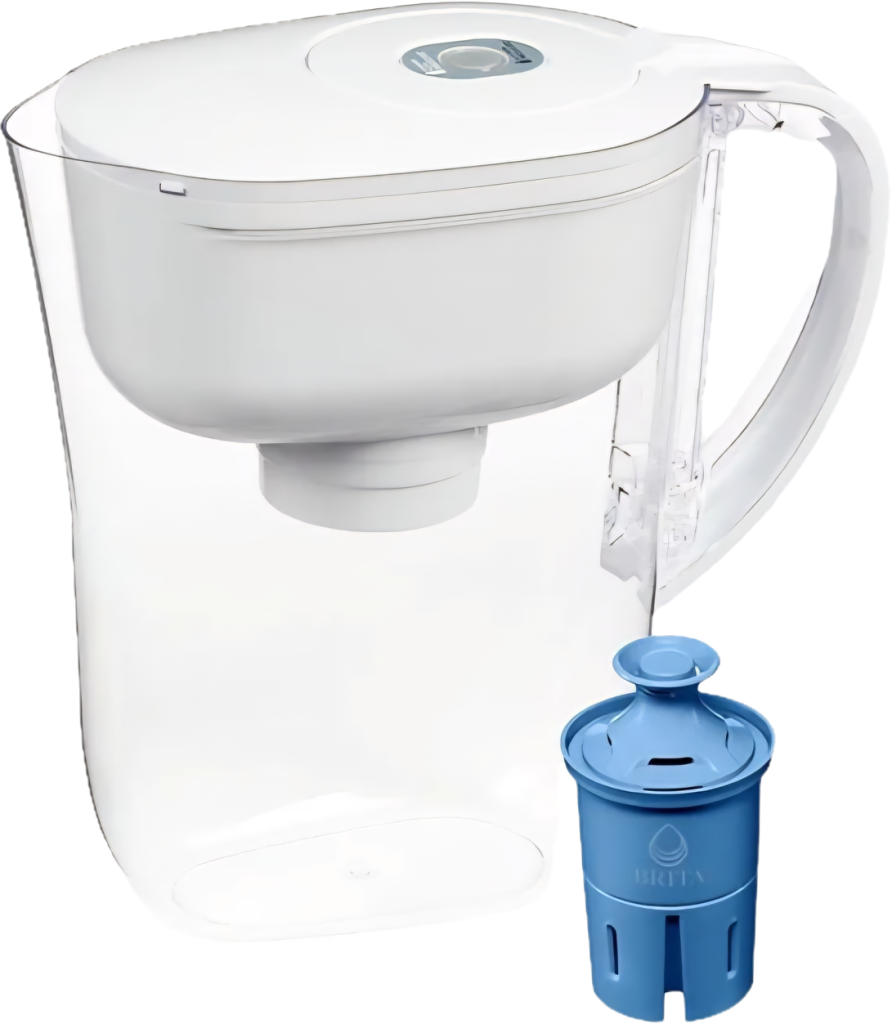
Best Budget Option: Brita Longlast Filter Pitcher

⭐⭐⭐⭐⭐ 4.4/5 stars

View on Amazon

Why we recommend it: Effectively removes chlorine and basic contaminants while being accessible to any budget. Perfect starting point for coffee improvement.

Key features:

  • Reduces chlorine taste and odor by 99%
  • 120-gallon filter capacity
  • Fits in most refrigerators
  • Easy filter replacement indicator

Perfect for: Anyone starting their water quality journey or those with decent source water that just needs chlorine removal.

Best Mid-Range Option: APEC 5-Stage Reverse Osmosis System

⭐⭐⭐⭐⭐ 4.5/5 stars (3,267 reviews) View on Amazon

Why we recommend it: Comprehensive water treatment that removes virtually all contaminants while being reliable and well-supported.

Key features:

  • 5-stage filtration including RO membrane
  • Removes 99% of contaminants including heavy metals
  • 50 gallons per day capacity
  • Includes all installation hardware

Perfect for: Serious home brewers who want comprehensive water treatment and don’t mind the installation process.

Best Premium Option: Berkey Big Gravity-Fed Filter

⭐⭐⭐⭐⭐ 4.6/5 stars (1,892 reviews) View on Amazon

Why we recommend it: No electricity required, removes virtually all contaminants while preserving beneficial minerals, and lasts for years.

Key features:

  • Gravity-fed operation (no electricity needed)
  • Black Berkey elements last up to 6,000 gallons each
  • Removes bacteria, viruses, heavy metals, and chemicals
  • Retains beneficial minerals

Perfect for: Coffee enthusiasts who want high-quality filtered water without ongoing electricity costs or complex installation.

Best for Coffee Precision: Third Wave Water Light Roast Profile

⭐⭐⭐⭐⭐ 4.3/5 stars (824 reviews) View on Amazon

Why we recommend it: Designed specifically for coffee brewing with optimal mineral content for extraction.

Key features:

  • Add to distilled water for perfect brewing water
  • Developed by water chemistry experts
  • Consistent results every time
  • Cost-effective for coffee-only use

Perfect for: Coffee purists who want laboratory-level control over their brewing water without the complexity of full water treatment systems. There are Roast. many other profiles available beyond the light roast.

Practical Implementation: Your Water Improvement Action Plan

Week 1: Assessment

  1. Taste test your current water against bottled water
  2. Order a TDS meter and basic water test strips
  3. Test your water and record the numbers
  4. Research your local water report (available from your utility company)

Week 2: Quick Wins

  1. Install basic chlorine filtration if test shows chlorine presence
  2. Try Third Wave Water packets with distilled water for comparison
  3. Document the taste difference in your coffee

Week 3: Optimization

  1. Based on your test results, choose appropriate filtration
  2. Install your chosen system
  3. Test the filtered water to confirm improvement
  4. Fine-tune your coffee brewing to take advantage of better water

Ongoing: Maintenance

  • Replace filters according to manufacturer schedules
  • Test water quarterly to ensure consistent quality
  • Clean equipment regularly to prevent buildup
  • Monitor coffee taste for any changes that might indicate filter replacement needs

Common Mistakes to Avoid

Over-filtering: Completely pure water actually makes terrible coffee—you need some minerals for proper extraction

Ignoring pH: Focusing only on removing contaminants while ignoring pH balance

Inconsistent maintenance: Filters that aren’t replaced become breeding grounds for bacteria and can make water quality worse than unfiltered

One-size-fits-all solutions: Your local water may have specific issues that require targeted treatment

Forgetting about storage: Clean water can become contaminated in dirty pitchers or tanks

Regional Water Considerations

Hard water areas (Southwest US): Focus on water softening and mineral reduction – see our comprehensive water softener maintenance guide for ongoing care

Chlorinated municipal water (Most cities): Prioritize carbon filtration – our faucet-mounted filter guide covers convenient options

Well water (Rural areas): May need comprehensive testing for bacteria, minerals, and pH – consider whole house filtration systems for complete treatment

Soft water regions (Northeast/Pacific Northwest): May need mineral addition for proper extraction

Understanding your regional water characteristics helps you choose the most effective treatment approach.

The Bottom Line: Water as Investment

Improving your water quality is the single most cost-effective upgrade you can make to your coffee setup. While a premium espresso machine might cost $2,000, a quality water filtration system that dramatically improves every cup costs a fraction of that amount.

More importantly, good water protects your investment in coffee equipment. Scale buildup from hard water can destroy expensive machines, while chlorinated water corrodes internal components over time.

Think of water treatment not as an expense, but as insurance for your equipment and a guarantee that every bag of premium coffee reaches its full potential in your cup.

Start with simple chlorine filtration and work up from there based on your water test results and coffee improvement goals. Your taste buds—and your coffee equipment—will thank you for the attention to this crucial but often overlooked element of great coffee.

Ready to transform your daily coffee ritual? Begin with a water test, implement appropriate filtration, and prepare to discover flavors in your favorite beans that you never knew existed.


Essential Reading: The Coffee Dictionary by Maxwell Colonna-Dashwood

Goodreads Rating: 4.1/5 stars Check Current Price on Amazon

Maxwell Colonna-Dashwood’s “The Coffee Dictionary” isn’t just another coffee book cluttering your shelf—it’s the reference guide that cuts through the industry jargon and actually makes coffee knowledge accessible. This three-time UK Barista Champion and World Barista Championship finalist has taken hundreds of coffee terms and techniques and organized them into what readers consistently call “simply amazing” and praise for going “very nicely in depth but not to the point where it becomes long and boring to read.”

What sets this dictionary apart from other coffee references is Colonna-Dashwood’s real-world expertise. This isn’t theoretical knowledge—it’s practical wisdom from someone who’s competed at the highest levels and co-owns an award-winning London roastery. With hundreds of entries on everything from sourcing, growing and harvesting, to roasting, grinding and brewing, three-time UK Barista Champion & three-time world finalist Maxwell Colonna-Dashwood explains the key factors that impact the taste of your drink.

The book tackles that overwhelming feeling every coffee enthusiast knows—when specialty coffee terminology starts flying and you’re left wondering what half the words even mean. For the newcomer to specialty coffee drinking, or anyone with an interest in coffee more generally, sometimes the various terms used can be a little overwhelming. Colonna-Dashwood solves this by organizing complex concepts into digestible, alphabetical entries that you can reference on demand or read cover to cover.

Beyond just definitions, this dictionary connects the dots between technique and taste. Each entry explains not just what something is, but why it matters for your cup quality. This approach aligns perfectly with what we’ve learned through our own testing—understanding the science behind coffee preparation is what separates good coffee from exceptional coffee.

The visual presentation deserves special mention. The book itself is stunning with lots of little illustrations spread throughout the book. These aren’t just decorative—they’re functional illustrations that help clarify complex brewing concepts and equipment variations.

For serious home brewers and coffee professionals alike, “The Coffee Dictionary” serves as both learning tool and practical reference. Whether you’re troubleshooting extraction issues, exploring new brewing methods, or simply trying to understand what your local roaster means by “bright acidity,” this book provides the knowledge foundation that elevates your coffee game from guesswork to intentional craft.

Don’t expect romantic coffee farm stories or marketing fluff—this is pure, practical coffee knowledge organized for real-world application. It’s the kind of resource that earns its place next to your grinder, not gathering dust on a bookshelf.

Back to Coffee and Espresso 101

Categories
Uncategorized

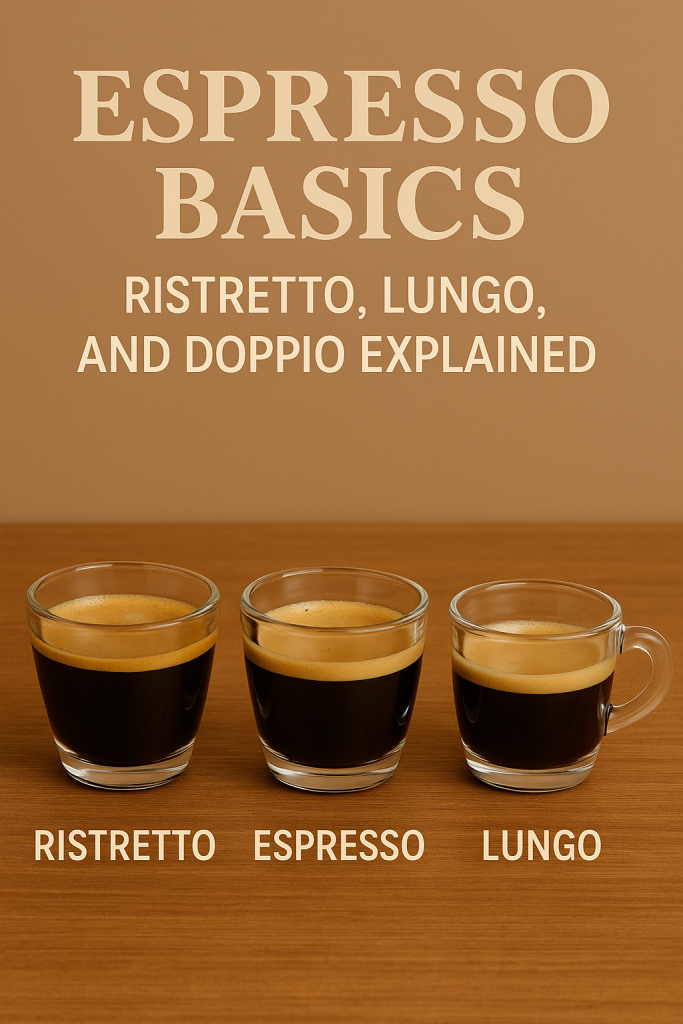
Espresso Basics: Ristretto, Lungo, and Doppio Explained

Walking into a specialty coffee shop and hearing “ristretto,” “lungo,” and “doppio” thrown around can feel intimidating. But here’s the truth: these aren’t mystical barista secrets—they’re simply different ways to pull espresso shots that change the flavor, strength, and character of your coffee. Once you understand what each one means, you’ll have the confidence to order exactly what you want and even experiment with these techniques at home.

At HydroBrewLab, we believe that great coffee starts with understanding the fundamentals. These three espresso variations are the building blocks that can transform your daily coffee ritual from routine to remarkable. Let’s break down what makes each one unique and when you’d want to choose one over the others.

Disclosure

This post contains affiliate links. As an Amazon Associate, I earn from qualifying purchases at no additional cost to you. I only recommend products I genuinely believe in and have researched thoroughly. Your support helps keep HydroBrewLab running and allows me to continue providing detailed coffee guides and reviews.

Understanding the Foundation: What Is Espresso?

Before diving into variations, let’s establish the baseline. A standard espresso shot uses about 18-20 grams of finely ground coffee, extracted with 9 bars of pressure, producing roughly 1.5-2 ounces of liquid in 25-30 seconds. This creates the balanced, full-bodied shot that serves as the foundation for lattes, cappuccinos, and americanos.

But here’s where it gets interesting: by adjusting just one variable—extraction time and water volume—you can completely change the flavor profile and intensity of your espresso.

Ristretto: The Concentrated Powerhouse

What it means: “Ristretto” is Italian for “restricted” or “limited.”

The technique: A ristretto uses the same amount of coffee (18-20g) but extracts with less water, stopping the shot at around 15-20 seconds. This produces about 0.75-1 ounce of concentrated espresso.

Why it matters: By cutting the extraction short, you’re capturing the sweetest, most concentrated flavors while avoiding the bitter compounds that emerge later in the brewing process. Think of it as getting the “best parts” of the coffee bean.

Flavor profile:

  • Intensely concentrated and sweet
  • More syrupy body
  • Reduced acidity and bitterness
  • Pronounced origin flavors

When to choose ristretto:

  • You want maximum coffee intensity without bitterness
  • Creating milk-based drinks where you need the espresso to cut through
  • Working with darker roasts that might become overly bitter with longer extraction
  • You prefer sweeter, more concentrated coffee flavors

Pro tip: Ristretto works beautifully in cortados and flat whites where you want the coffee to shine through the milk without overwhelming bitterness.

Lungo: The Extended Journey

What it means: “Lungo” translates to “long” in Italian.

The technique: A lungo uses the same coffee dose but extracts for 45-60 seconds with more water, producing about 3-4 ounces of liquid.

Why it matters: The extended extraction pulls more compounds from the coffee, including some bitter elements, but also captures more of the coffee’s subtle flavors and aromatics. It’s like getting the “full story” of the bean.

Flavor profile:

  • More diluted but complex
  • Higher caffeine content
  • More pronounced bitter notes
  • Lighter body compared to standard espresso
  • Enhanced floral and fruity notes (if present in the bean)

When to choose lungo:

  • You want more volume without adding water (like an americano)
  • Working with lighter roasts that can handle longer extraction
  • You enjoy more complex, layered flavors
  • You prefer less intense coffee that still maintains espresso character

Important note: Lungo isn’t just espresso with extra water added afterward—the extended extraction fundamentally changes the flavor chemistry.

Doppio: Simply Double the Pleasure

What it means: “Doppio” means “double” in Italian.

The technique: A doppio is simply two shots of espresso pulled simultaneously using a double portafilter basket. You’re using about 36-40 grams of coffee to produce 3-4 ounces of standard-strength espresso.

Why it matters: When you need more coffee volume but want to maintain the balanced flavor profile of a standard espresso, doppio is your answer. It’s not about changing the extraction—it’s about scaling up.

Flavor profile:

  • Same intensity and balance as single espresso
  • Double the volume and caffeine
  • Maintains the 25-30 second extraction time
  • Perfect for larger milk drinks

When to choose doppio:

  • Making larger milk-based drinks (16oz lattes, large cappuccinos)
  • You want more espresso without changing the flavor profile
  • Creating americanos with more coffee presence
  • You simply want more caffeine without intensity changes

Practical Applications: Which One When?

For Straight Espresso Drinking:

  • Ristretto: When you want intense, sweet coffee flavor
  • Standard: For balanced, traditional espresso experience
  • Lungo: When you prefer more volume with complex flavors

For Milk Drinks:

  • Ristretto: Cortados, flat whites, strong cappuccinos
  • Doppio: Large lattes, bigger cappuccinos
  • Lungo: Generally not recommended—can become too bitter with milk

For Home Brewing Success: Start with standard espresso technique, then experiment with these variations once you’ve mastered the basics. Each requires slight adjustments to your grind size and technique.

Common Misconceptions Cleared Up

“Ristretto has more caffeine”: Actually, the shorter extraction time means slightly less caffeine than a standard shot.

“Lungo is just watered-down espresso”: The extended extraction creates different compounds—it’s chemically different from adding water to regular espresso.

“These are just fancy names for the same thing”: Each technique produces distinctly different flavor profiles and caffeine levels.

Getting Started at Home

If you’re brewing at home, start by mastering your standard espresso technique. Once you can consistently pull balanced shots, experimenting with ristretto and lungo becomes a matter of adjusting your timer and observing how the flavors change.

Quick reference for home brewing:

  • Standard espresso: 25-30 seconds, 1.5-2 oz
  • Ristretto: 15-20 seconds, 0.75-1 oz
  • Lungo: 45-60 seconds, 3-4 oz
  • Doppio: 25-30 seconds, 3-4 oz (double dose)

The Bottom Line

Understanding ristretto, lungo, and doppio gives you three powerful tools to customize your coffee experience. Whether you’re ordering at a café or brewing at home, knowing these variations means you can fine-tune your coffee to match your mood, the time of day, or the specific flavors you’re craving.

Remember, there’s no “right” choice—only what tastes best to you. The beauty of espresso lies in this flexibility. Start with what sounds appealing, taste mindfully, and don’t be afraid to experiment. Every coffee professional started exactly where you are now, learning one technique at a time.

Recommended Machines for Mastering These Techniques

Ready to put this knowledge into practice at home? Having the right equipment makes all the difference when experimenting with ristretto, lungo, and doppio shots. Here are our top picks for machines that give you precise control over these variables:

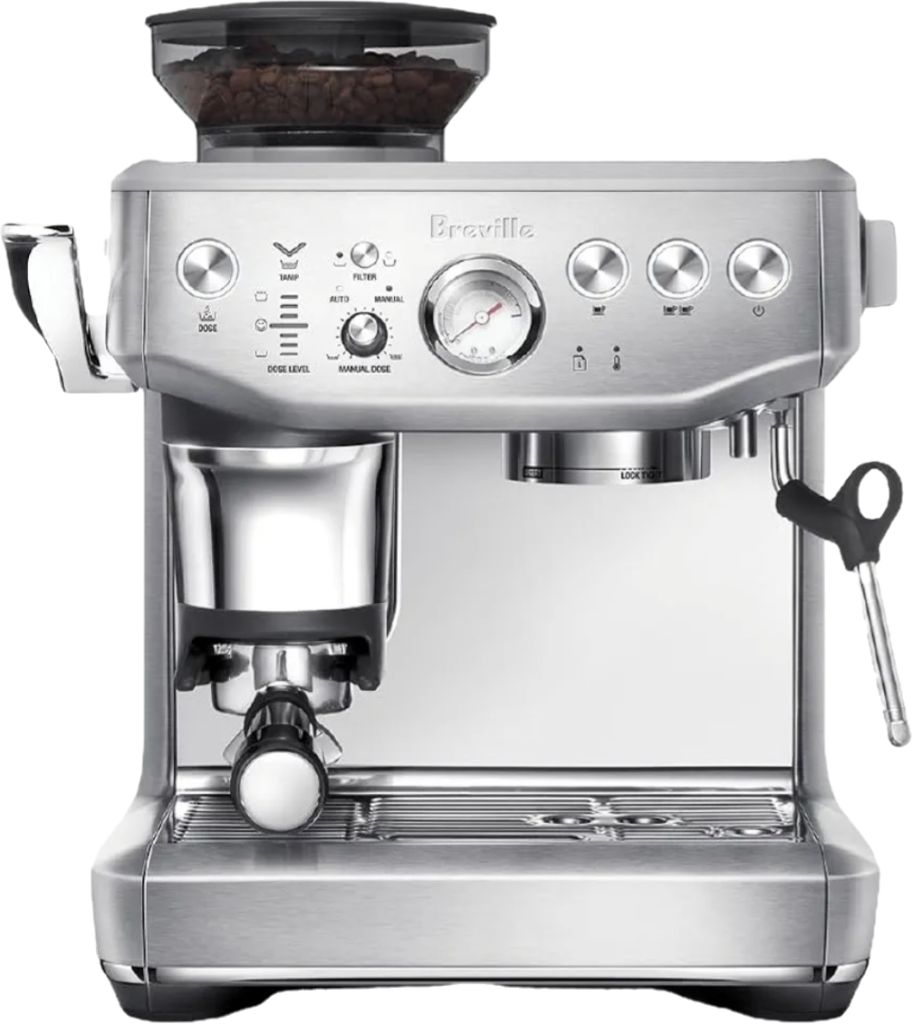
Best Automatic Option: Breville Barista Express Impress

⭐⭐⭐⭐⭐ 4.3/5 stars (2,847 reviews) View on Amazon

Why we recommend it: This machine takes the guesswork out of consistent shots while still giving you full control over extraction time and volume. The built-in grinder ensures fresh grounds every time, and the manual override function lets you stop shots early for ristretto or extend them for lungo.

Key features for technique control:

  • Programmable shot volumes for consistent ristretto and lungo
  • Manual extraction override button
  • Pre-infusion function for even extraction
  • Dual-wall and single-wall filter baskets included
  • Built-in precise grinder with dose control

Perfect for: Coffee enthusiasts who want convenience without sacrificing control, or anyone stepping up from pod machines to real espresso.

Best Manual Option: Gaggia Classic Pro

⭐⭐⭐⭐⭐ 4.1/5 stars (1,523 reviews) View on Amazon

Why we recommend it: This is the gold standard for manual espresso control. With a simple 3-way solenoid valve and manual operation, you have complete command over every aspect of your extraction. It’s the machine that teaches you to become a better barista.

Key features for technique control:

  • Full manual control over extraction time
  • Commercial-grade group head and portafilter
  • Adjustable OPV (over-pressure valve) for perfect 9-bar pressure
  • No automatic programs—you control everything
  • Durable construction that lasts decades

Perfect for: Hands-on learners who want to master espresso fundamentals, anyone who enjoys the ritual of manual brewing, or experienced home baristas wanting full control.

Pro tip: Pair either machine with a quality burr grinder if not included. The ability to adjust grind size is crucial for perfecting these different extraction styles.

Your Next Steps

Whether you choose automatic convenience or manual mastery, start by dialing in your standard espresso shots first. Once you can consistently pull balanced 25-30 second extractions, experimenting with ristretto and lungo becomes intuitive.

Try ordering a ristretto next time you’re at your local café to taste the difference, then come home and recreate it on your own setup. Your taste buds—and your morning routine—will thank you for the exploration.

Ready to upgrade your home espresso game? Check out our complete espresso machine buying guide for detailed reviews and comparisons to find your perfect brewing companion.


Essential Reading: The Professional Barista’s Handbook by Scott Rao

Amazon Rating: 4.3/5 stars
Check Current Price on Amazon

Scott Rao’s “The Professional Barista’s Handbook” isn’t your typical coffee table book filled with romantic stories about coffee farms. This is a tool—a practical, science-backed guide that cuts straight to what actually matters when you’re trying to pull exceptional shots and brew outstanding coffee. At just 100 pages, Rao has distilled decades of professional experience into the kind of focused resource that coffee professionals and serious home enthusiasts have been waiting for.

Customers consistently praise the book as “very informative about espresso preparation” and consider it “a must-read for baristas,” which aligns perfectly with what we’ve found in our own testing. What sets this handbook apart is Rao’s ability to explain complex brewing science in terms that make immediate practical sense. He doesn’t waste time on coffee origin stories or equipment marketing fluff—instead, he focuses relentlessly on technique, troubleshooting, and the variables that actually impact your cup quality.

The book covers everything from espresso extraction theory to latte art fundamentals, equipment evaluation, and even tea preparation. Although it’s called “The Professional Barista’s Handbook,” this book covers topics useful for the home barista too. Rao’s approach is methodical and data-driven, offering specific parameters and techniques rather than vague suggestions. For anyone serious about elevating their brewing skills—whether you’re behind a commercial machine or working with a home setup—this handbook provides the foundation you need to understand not just what to do, but why it works.

Back to Coffee and Espresso 101

Categories
Uncategorized

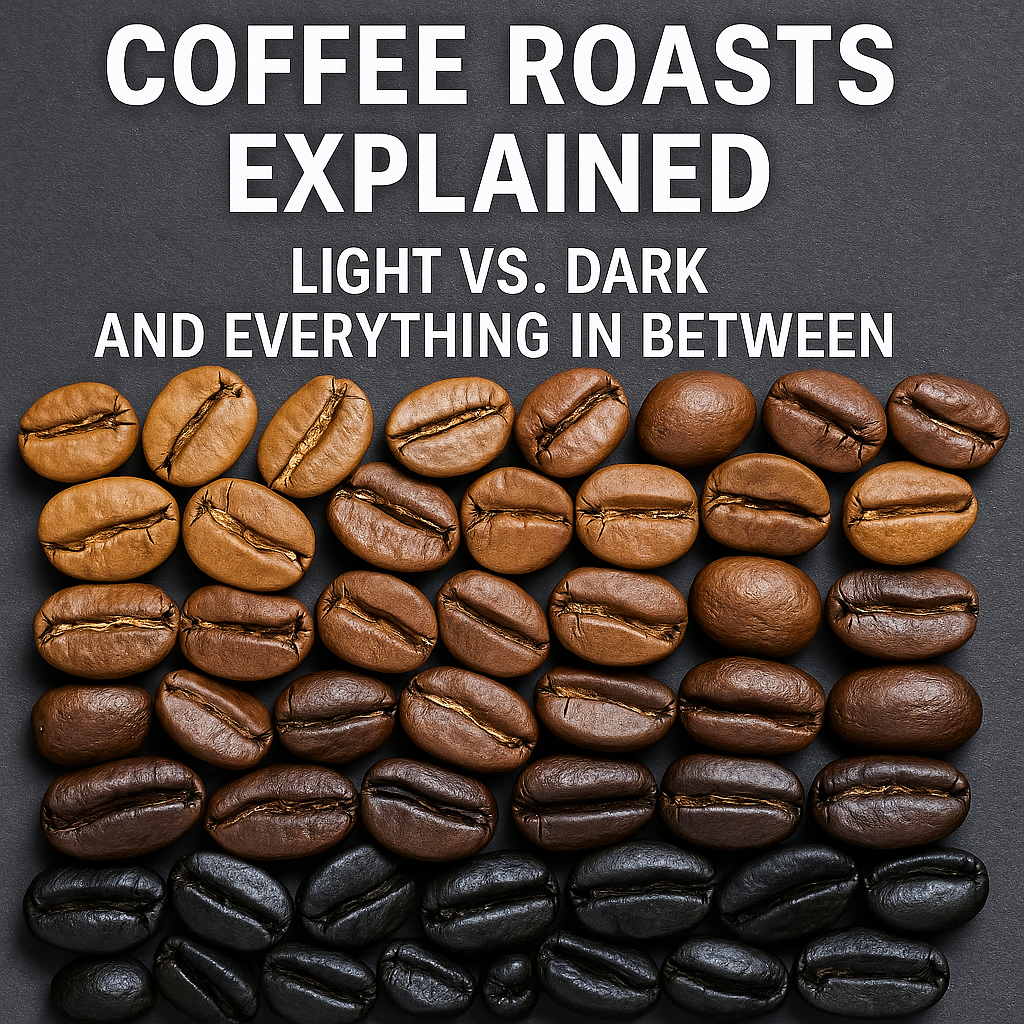
Coffee Roasts Explained: Light vs Dark and Everything In Between

Coffee is a complex and fascinating beverage, and one of the most defining aspects of your daily cup is the roast level of the beans. From light and floral to dark and smoky, the roast determines not just color, but also flavor, aroma, body, and even caffeine perception. But what exactly separates a light roast from a medium or dark one? And how do you choose the roast that’s right for your taste and brewing method?

This guide dives deep into the science and art of coffee roasting. We’ll walk you through each roast level—blonde, light, medium, medium-dark, espresso, and dark—explaining how roasting affects flavor, caffeine, and aroma. Whether you’re just getting into specialty coffee or looking to refine your preferences, you’ll walk away with the knowledge to brew more confidently and taste more intentionally.

Disclosure: This article contains affiliate links. If you purchase through them, we may earn a small commission at no extra cost to you. This helps support our content.


🌼 Blonde Roast Coffee

Blonde roast coffee, sometimes referred to as cinnamon roast or early light roast, represents the gentlest roasting profile available. These beans are typically pulled from the roaster just as they approach the first crack, meaning they are roasted at lower temperatures and for a shorter period of time. As a result, the beans retain much of their original structure, density, and chemical compounds, including chlorogenic acids, which contribute to their pronounced acidity and nuanced flavor.

In terms of taste, blonde roasts are incredibly mellow yet vibrant, often characterized by gentle sweetness, floral aromas, and soft cocoa undertones. They’re ideal for highlighting a coffee’s origin without overwhelming it with roasted flavor. Whether it’s a Latin American bean with hints of nutmeg and citrus or an Ethiopian variety blooming with jasmine and blueberry, the blonde roast offers an approachable yet flavor-forward experience for curious drinkers transitioning toward lighter profiles. They’re also less bitter than many traditional light roasts, making them a solid introduction for those new to specialty coffee.

☀️ Light Roast Coffee

Light roast coffee is roasted just until the end of the first crack, typically between 356–401°F. These beans retain much of their original flavor profile, emphasizing unique regional characteristics and complex acidity. The resulting brews are bright, often fruity or floral, with a lighter body and crisp mouthfeel. Light roasts are celebrated by specialty coffee lovers for their clarity and nuance.

These roasts are often preferred by those who value flavor exploration and transparency over richness or body. They pair best with slower, more precise brewing methods like pour-over or siphon, which bring out the dynamic range of fruity, citrus, or tea-like qualities. While the acidity may be off-putting for some, many find that a well-executed light roast reveals an unparalleled vibrancy and sweetness that dark roasts cannot match. Light roasts also offer the most direct insight into the terroir and processing methods of the bean’s origin.

☕ Medium Roast Coffee

Medium roast coffee is roasted slightly beyond the first crack but stopped before the second, which occurs at higher temperatures. This roast strikes a harmonious balance between the brightness of lighter roasts and the body and richness of darker ones. Medium roast coffee retains a significant portion of the bean’s original character, but introduces toasty, caramelized sugar notes that add warmth and depth to the cup.

This roast level is often described as comforting and universally appealing. Its flavors range from nutty and chocolaty to subtle fruitiness, and its versatility across brew methods makes it ideal for everything from drip and French press to espresso. If you’re new to specialty coffee or just want a reliable everyday brew that can please a crowd, medium roast is a strong candidate. These coffees are also very forgiving, making them a great choice for experimentation at home with various grind sizes and ratios.

🔥 Medium-Dark Roast Coffee

Medium-dark roasts are taken just into the second crack, where more caramelization and Maillard reactions deepen the flavor. These coffees offer a bold, bittersweet profile with low acidity and a fuller, creamier body. You’ll often find flavors like dark chocolate, roasted nuts, spice, and hints of smokiness.

They offer an ideal middle ground for coffee drinkers who appreciate the robustness of a dark roast but still want to detect subtle flavor complexity. With a thicker mouthfeel and mellow acidity, these beans work wonderfully in brewing methods that emphasize richness, such as moka pots and French presses. This roast style is often the foundation for espresso blends, offering both punch and polish. For milk-based drinks like lattes and flat whites, medium-dark roasts deliver the body and flavor to stand up to cream without overwhelming it.

🎯 Espresso Roast Coffee

Espresso roast isn’t just a roast level—it’s a purposeful profile crafted specifically to excel under pressure-based brewing. Usually hovering between medium-dark and dark, espresso roasts are designed to be highly soluble, allowing the essential oils and sugars to extract quickly for concentrated flavor and body. These roasts often showcase notes of dark chocolate, caramel, and spice with a syrupy mouthfeel and low acidity.

Despite being tailored for espresso machines, espresso roasts can also deliver fantastic results in moka pots or AeroPress setups that mimic pressure brewing. Their forgiving flavor profile also makes them a solid base for milk-based drinks like lattes and cappuccinos. Whether you’re a straight shot drinker or a foam aficionado, espresso roasts deliver boldness and balance in every cup. These beans typically have slightly more oil on the surface and deliver rich crema—especially with freshly ground coffee.

🌑 Dark Roast Coffee

Dark roasts are roasted well into the second crack, typically beyond 464°F. At this stage, most origin characteristics are muted, and the roast dominates with smoky, toasty, and bittersweet flavors. Dark roasts are rich and bold, often with notes of dark chocolate, earth, and even a little char.

These coffees tend to be oily and aromatic, producing a heavy body with very low acidity. They’re favored in traditional espresso and diner-style drip coffee, especially when enjoyed with cream and sugar. While some consider dark roasts too bitter or flat, others love their robustness and consistency. They’re dependable, intense, and deeply satisfying. For those who want a cup that tastes strong no matter how it’s brewed, dark roasts are the go-to choice.


🔄 Roast Comparison Table

Roast TypeFlavor ProfileAcidityBodyBest Brew Methods
BlondeFloral, citrus, mellow cocoaHighLightPour-over, AeroPress
LightFruity, tea-like, brightHighLightPour-over, Chemex, siphon
MediumNutty, chocolatey, balancedMediumMediumDrip, French press, pour-over
Medium-DarkBittersweet, spicy, boldLowFullFrench press, moka pot, espresso
EspressoRich, caramel, chocolate, creamyLowFullEspresso machine, AeroPress
DarkSmoky, earthy, bold, toasted sugarLowHeavyDrip, espresso, French press

☕ Recommended Products by Roast Level

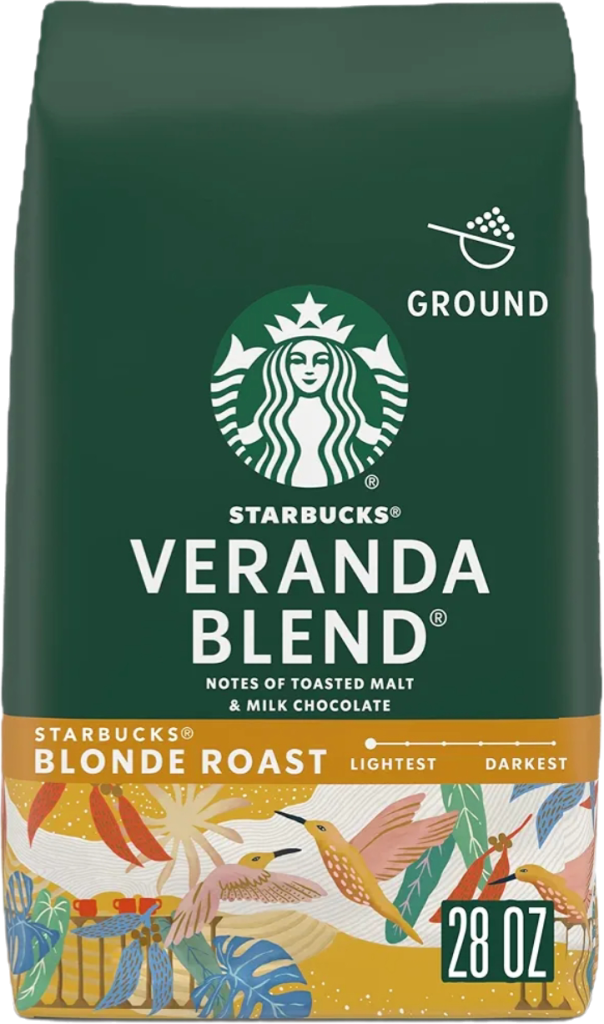
Best Blonde Roast: Starbucks Veranda Blend Blonde Roast
⭐ Rating: 4.6 / 5 — View on Amazon
Starbucks Veranda Blend is a smooth, light golden roast highlighting notes of toasted malt, soft cocoa, and gentle sweetness. It’s roasted just enough to mellow fruit-forward origins without losing brightness—ideal for those easing into lighter roasts.

This blend performs beautifully in pour-over, drip, or iced coffee and produces clean, mellow cups with low bitterness. Its approachable flavor makes it a go-to for casual and seasoned drinkers alike.

Best Light Roast: Black Rifle Coffee Company – Loyal Spirit Light Roast
⭐ Rating: 4.7/5 — View on Amazon
Loyal Spirit is a vibrant light roast from Black Rifle Coffee Company, delivering a bright, citrus-forward profile with subtle undertones of honey and floral sweetness. Crafted by a veteran-owned company committed to premium beans and bold flavor, this roast celebrates light coffee without sacrificing body or complexity.

Whether brewed as a pour-over, AeroPress, or drip, Loyal Spirit produces a clean, crisp cup that’s ideal for early mornings or a refreshing afternoon brew. With its high-quality Arabica beans and light roast precision, it’s perfect for those looking to explore the lively, intricate world of lightly roasted coffees without any bitterness or overpowering acidity.

Best Medium Roast: Peet’s Coffee Big Bang Medium Roast
⭐ Rating: 4.6/5 — View on Amazon
Big Bang offers a lively medium roast featuring bright tropical fruit notes balanced by smooth caramel tones. Made in celebration of Peet’s 50th anniversary, it brings together washed Ethiopian beans for floral vibrance.

It’s a great all-rounder, equally delicious as a drip or French press coffee. The roast is perfectly balanced and crowd-pleasing, ideal for households with mixed preferences.

Best Medium-Dark Roast: Tim Hortons Original Blend Medium-Dark Roast
⭐ Rating: 4.7/5 — View on Amazon
Tim Hortons’ Original Blend delivers a rich, full-bodied flavor with well-balanced notes of roasted nuts, caramel, and a gentle smokiness. Roasted just into the medium-dark spectrum, it offers a smooth drinking experience without bitterness—making it a classic favorite among coffee lovers who want strength without harshness.

Perfect for drip coffee makers, French press, or even moka pots, this blend stands up well to milk and sugar while still holding its own as a black coffee. Its reliable taste and long-standing reputation make it a household staple that consistently satisfies both casual drinkers and seasoned enthusiasts.

Best Espresso Roast: Lavazza Espresso Italiano Whole Bean Coffee
⭐ Rating: 4.7/5 — View on Amazon
Lavazza’s Espresso Italiano is a premium whole bean espresso roast beloved for its rich flavor, velvety crema, and signature smooth finish. Crafted in Italy and expertly roasted to a medium-dark level, it delivers classic espresso notes of dark chocolate, hazelnut, and subtle spice—perfect for both traditional and modern espresso drinkers.

This blend is ideal for use in espresso machines, moka pots, or AeroPress, producing a bold yet balanced shot with every pull. Its aromatic profile and consistency make it a go-to choice for those who enjoy Italian-style espresso at home. Whether you prefer your coffee black or with steamed milk, Lavazza’s quality and roast expertise deliver every time.

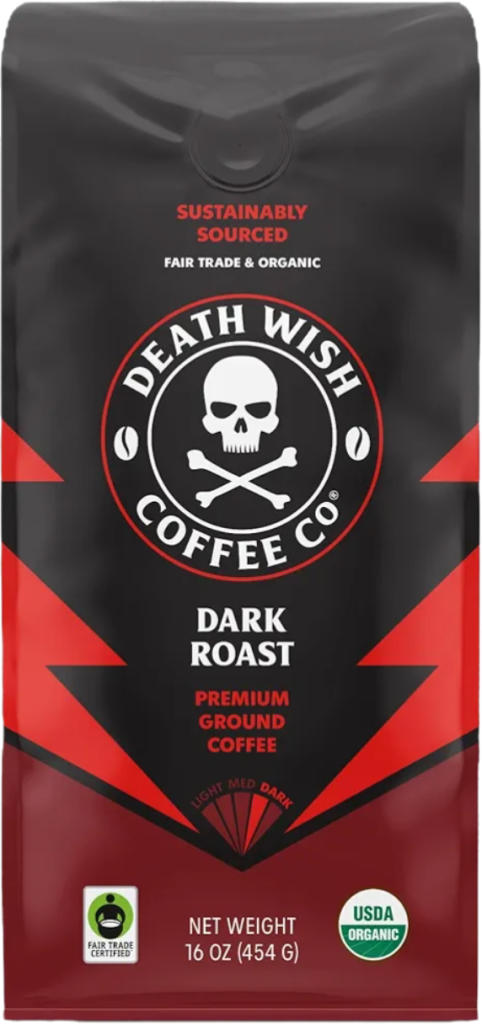
Best Dark Roast: Death Wish Coffee Co. Dark Roast
⭐ Rating: 4.6/5 — View on Amazon
Billed as the world’s strongest coffee, Death Wish’s dark roast is bold and unapologetic. With high caffeine content and a rich, smoky body, it’s for those who want to be hit with intensity.

Despite the boldness, the flavor is smooth and low-acid, making it more drinkable than expected. It’s USDA Organic and Fair Trade, roasted in small batches, and a consistent top seller.


📚 Recommended Reading

Craft Coffee: A Manual by Jessica Easto

View on Amazon
If you’re looking to go deeper into brewing methods and understanding coffee flavor, this book is a must-read. It breaks down manual brewing techniques like pour-over, French press, AeroPress, and siphon with approachable, science-backed guidance. Easto demystifies water temperature, grind size, and bloom timing in a way that’s accessible to both beginners and enthusiasts.

With clear illustrations and practical instructions, it helps readers explore the full potential of home-brewed coffee. The book also includes equipment recommendations, origin breakdowns, and tips for adjusting flavor profiles to your taste.


☕ Final Thoughts

Understanding roast levels can transform your coffee experience—from brewing and flavor to caffeine perception and pairing. Whether you’re a light roast purist who thrives on brightness and fruit, or a dark roast devotee who craves full-bodied intensity, there’s a roast for every palate and mood.

Now that you know the nuances between each roast level, you can experiment with different beans, brewing methods, and even grind sizes to find what suits your lifestyle. Coffee is more than just a beverage—it’s a journey of discovery, and your roast preference is just the beginning.

Back to Coffee and Espresso 101

Categories
Uncategorized

Arabica vs Robusta: A Deep Dive into Bean Varieties, Flavor, Cost & Caffeine

Coffee is more than a drink—it’s a global obsession, a cultural tradition, and a deeply personal experience. From hand-poured single-origin brews to high-pressure espresso shots, every cup tells a story that starts with the bean. And at the center of this story are two primary players: Arabica and Robusta. These coffee bean species dominate the global market, each offering its own unique characteristics that shape flavor, aroma, caffeine content, cost, and how the coffee behaves in your brewer or cup.

Whether you’re a casual coffee drinker who grabs a to-go cup each morning or a home barista with a pour-over setup and a grinder dialed to perfection, understanding the difference between Arabica and Robusta can elevate your coffee game. This guide takes a deep dive into everything from cultivation and flavor profiles to caffeine levels and price, helping you decide which bean type aligns best with your taste preferences, brewing method, and budget. We’ll also provide highly rated product recommendations and a top-tier book to help you explore the topic even further.

Disclosure: As an Amazon Associate I earn from qualifying purchases. This post may contain affiliate links.


🌱 What Is Arabica Coffee?

Coffea arabica, commonly referred to as Arabica, is the oldest and most widely consumed coffee species in the world. Believed to have originated in the Ethiopian highlands, Arabica now makes up approximately 60–70% of global coffee production. It is considered the gold standard of specialty coffee due to its delicate, complex flavor profile and naturally lower caffeine content. The plant grows best in cool, high-altitude regions with rich soil and consistent rainfall, which slows down the maturation process and allows the beans to develop more nuanced sugars and organic acids.

Arabica beans are physically identifiable by their elongated, oval shape and curved crease. These beans are structurally softer and less dense than Robusta, which makes them more responsive to precise roasting techniques, especially at light to medium roast levels. Arabica plants are more susceptible to pests, disease, and environmental changes, which contributes to lower yields and higher prices. However, their delicate nature is part of what allows for the exceptional complexity and clarity of flavor that coffee connoisseurs love. When properly cultivated and roasted, Arabica beans can showcase a wide range of aromas and taste notes that vary dramatically based on origin.

🌄 Growing Conditions

Arabica thrives at altitudes between 2,000 and 6,000 feet, particularly in regions such as Ethiopia, Colombia, Kenya, Guatemala, and parts of Brazil. These elevations provide cooler temperatures, typically between 59°F and 75°F, which slow the growth of the coffee cherries. The extended maturation period allows the beans to absorb more minerals and sugars from the soil, producing a richer and more layered flavor profile. However, Arabica’s sensitivity to frost, rainfall inconsistency, and pathogens such as coffee leaf rust makes it a high-maintenance crop. Farmers often need to employ organic practices, manual harvesting, and constant monitoring to maintain quality, which significantly increases production costs.

Despite these challenges, Arabica remains the preferred choice for specialty roasters, artisanal cafes, and high-end coffee enthusiasts. Its high concentration of lipids and nearly double the sugar content of Robusta contributes to a smoother texture, sweeter taste, and vibrant acidity. The diversity in flavor, from jasmine and citrus to berry and milk chocolate, allows Arabica to shine in single-origin coffees where the bean’s origin characteristics are front and center.

👃 Flavor Profile

Arabica’s most celebrated trait is its bright, complex, and layered flavor profile. Depending on its country of origin and how it’s processed, Arabica coffee can exhibit a wide spectrum of tasting notes: floral (like jasmine or rose), fruity (like berries or citrus), sweet (like caramel or honey), nutty, or chocolaty. The acidity in Arabica is generally perceived as a pleasant brightness—similar to how acidity enhances the taste of wine or fresh fruit. Because of its higher sugar and lipid content, Arabica is also naturally smoother and less bitter than Robusta.

This flavor complexity is best preserved through lighter roasting, which highlights the bean’s origin characteristics rather than masking them with darker, roast-dominant flavors. Arabica is the bean of choice for people who enjoy sipping and savoring coffee for its nuances, often describing their brews in terms more common to wine tasting. The mouthfeel is typically light to medium-bodied, with a clean finish and lingering sweetness. These attributes make Arabica ideal for slow brewing methods where clarity and balance are prioritized.

☕ Best Uses

Arabica excels in brewing methods that showcase its flavor clarity and complexity. Manual brewing devices such as pour-over drippers (V60, Kalita Wave), Chemex, and siphon brewers allow the subtle notes of the bean to come forward. It also performs beautifully in a French press, producing a fuller-bodied brew without sacrificing brightness. When used for espresso, Arabica provides a smoother, less bitter shot with floral or fruity top notes and a silky body. While it doesn’t produce as much crema as Robusta, its elegance in flavor more than compensates.

Because of its versatility and high quality, Arabica is the backbone of most specialty cafes and craft roasters. It is often offered as a single-origin to highlight the terroir, or in carefully curated blends that balance body and complexity. For anyone looking to appreciate coffee at its most expressive, Arabica is an excellent choice.

🌾 What Is Robusta Coffee?

Robusta coffee comes from the Coffea canephora plant and is the second most cultivated coffee species in the world. It accounts for about 30–40% of global production and is grown primarily in Vietnam, Brazil, Indonesia, and parts of Africa. Known for its bold flavor and higher caffeine content, Robusta has long been the go-to bean for budget-conscious roasters and mass-market blends. However, it’s increasingly gaining recognition in specialty circles for its strength, crema production, and potential for quality when grown and processed with care.

Robusta beans are rounder and smaller than Arabica, with a straight crease instead of a curved one. They grow on hardy plants that can tolerate higher temperatures, greater rainfall variability, and lower elevations. These traits make Robusta easier and less expensive to cultivate, particularly in tropical lowland environments. Though often dismissed as inferior, high-grade Robusta can offer distinctive taste profiles and exceptional crema when used appropriately, especially in espresso blends.

🌍 Growing Conditions

Robusta is grown at altitudes ranging from sea level to about 2,000 feet, thriving in hot, humid climates. It matures more quickly than Arabica and is more resistant to pests, diseases, and climate fluctuations, which allows for larger and more consistent yields. Its rugged nature also means that Robusta often requires less manual intervention, making it cheaper to produce at scale. These factors contribute to its popularity among large producers and its dominance in the instant coffee market.

Despite its easier cultivation, Robusta doesn’t enjoy the same prestige as Arabica—primarily because of its traditionally harsher flavor profile. However, when grown at optimal altitudes and carefully processed, it can produce a cleaner, richer cup. Some producers in Vietnam and India are pioneering specialty-grade Robustas with surprising complexity and low bitterness, helping to redefine the bean’s reputation.

💥 Flavor Profile

Robusta is best known for its strong, bitter, and earthy flavor, often described as woody, smoky, or even rubbery in lower-quality batches. It contains nearly twice the caffeine of Arabica—about 2.2% versus 1.2%—which not only makes the taste more astringent but also gives it a longer-lasting buzz. While Arabica emphasizes brightness and nuance, Robusta delivers impact: it’s bold, assertive, and leaves a heavy impression on the palate.

Higher-end Robusta, however, can offer flavors of dark chocolate, roasted nuts, and sweet tobacco, especially when medium roasted. It also has lower acidity and more crema-producing oils, which is why it’s favored in traditional Italian espresso blends. Robusta’s full body and long finish make it a compelling option for those who enjoy intense, no-nonsense coffee.

☕ Best Uses

Robusta shines in espresso and espresso-based drinks due to its crema-enhancing properties and strong body. It is commonly used in Italian-style espresso blends, Vietnamese phin brews, and instant coffee. Its bitterness balances milk and sugar well, making it ideal for cappuccinos, lattes, and other creamy drinks. It also performs well in cold brew, where its bold flavor isn’t overwhelmed by dilution.

When used thoughtfully in blends, Robusta can add structure, strength, and longevity to the flavor profile. Many professional roasters use a small percentage of high-quality Robusta to boost crema and add depth without sacrificing Arabica’s finesse. For those who want a caffeine kick and prefer deep, dark flavors, Robusta can be a powerful companion.

🔍 Arabica vs Robusta: Head-to-Head Comparison

FeatureArabicaRobusta
FlavorSweet, fruity, floral, nuancedBitter, earthy, smoky, intense
Caffeine~1.2%~2.2%
AcidityHighLow
BodyLight to mediumFull, syrupy
Growing Altitude2,000–6,000 ft0–2,000 ft
Climate ToleranceSensitiveHardy and drought-resistant
PriceHigherLower
Use in EspressoSmooth, bright shotThick crema, bold taste
Shelf LifeShorter due to oil contentLonger, more stable oils

🛍️ Recommended Arabica Coffee Picks

Lavazza Super Crema Whole Bean Coffee Blend

Rating: 4.6 / 5
🔗 View on Amazon
A beloved choice among home brewers and espresso lovers, this blend combines Brazilian Arabica with other high-altitude beans to create a rich and smooth profile. The flavor notes include honey, almonds, and light fruitiness, paired with low acidity and a velvety crema. Perfect for anyone who wants a consistently balanced espresso or milk-based drink without overwhelming bitterness.

Lavazza Super Crema works well with a variety of brewing methods, including super-automatic machines and manual espresso setups. Its reliability, accessible flavor, and excellent crema production make it one of the best Arabica-based espresso blends on the market. It’s especially ideal for beginners seeking a forgiving, go-to bean.

Peet’s Coffee Major Dickason’s Blend

Rating: 4.7 / 5
🔗 View on Amazon
This bold, full-bodied blend of 100% Arabica beans is one of Peet’s most iconic offerings. With deep notes of chocolate, toasted spice, and a smoky finish, it appeals to those who enjoy richness without the harshness of low-quality dark roasts. Its complexity makes it suitable for French press, drip, and pour-over alike.

Major Dickason’s Blend is roasted to bring out layered, robust flavors that stand up well to milk and sugar, but it’s just as enjoyable black. It’s a great everyday coffee for those who like a darker, heartier profile without sacrificing smoothness or aromatic appeal.

🛍️ Recommended Robusta Coffee Picks

Death Wish Coffee Co. Dark Roast Grounds

Rating: 4.6 / 5
🔗 View on Amazon
Renowned for its ultra-high caffeine content, Death Wish Coffee blends Robusta and Arabica for maximum strength and flavor. Tasting notes include dark chocolate, black cherry, and a smoky edge, delivering a cup that’s rich, intense, and smooth enough to enjoy black.

Despite its potency, Death Wish is surprisingly low in acidity and bitterness, making it ideal for those who want a powerful brew without rough edges. It’s perfect for drip machines, French presses, and cold brew setups, and a great pick for caffeine lovers or endurance coffee drinkers.

Nguyen Coffee Supply – Truegrit Robusta Beans

Rating: 4.5 / 5
🔗 View on Amazon
Vietnam’s leading specialty Robusta producer, Nguyen Coffee Supply sources sustainable, direct-trade beans from local farmers. The Truegrit Robusta offers a bold, clean cup with notes of dark cocoa, graham cracker, and a mild smokiness. It’s a game-changer for those skeptical of Robusta’s potential.

Ideal for brewing in a phin filter, French press, or espresso machine, Truegrit shows that Robusta can be more than bitter and brash—it can be refined, flavorful, and incredibly satisfying. Nguyen’s mission to bring transparency and equity to the coffee trade adds even more reason to support this standout brand.

📘 Further Reading: The World Atlas of Coffee by James Hoffmann

Rating: 4.8 / 5
🔗 View on Amazon

For those wanting to deepen their understanding of coffee’s complexities, this book by World Barista Champion James Hoffmann is an essential reference. The World Atlas of Coffee covers over 30 producing countries, exploring how origin, altitude, processing, and climate impact the final flavor in your cup.

In addition to origin information, the book offers a wealth of knowledge on roasting science, brewing techniques, and coffee tasting. Its stunning maps, illustrations, and practical breakdowns make it valuable for beginners and experts alike. Whether you’re studying coffee professionally or just want to appreciate it more fully, this atlas offers both breadth and depth.

☕ Final Thoughts: Choose Your Coffee Identity

Arabica or Robusta? That choice depends on your preferences, purpose, and brewing style. Arabica provides refinement, elegance, and a rich tapestry of flavors perfect for exploration. Robusta brings strength, caffeine power, and reliability to your cup, especially in espresso and bold blends.

Both have a place in the world of great coffee. Don’t limit yourself—experiment with both types, explore origins and roasters, and discover what makes your ideal cup. Whether you’re chasing nuance or caffeine, coffee’s diversity ensures there’s always something new to try.

Brew with purpose. Taste with curiosity. And let every cup take you somewhere unexpected.

Back to Coffee and Espresso 101

Categories
Uncategorized

🧰 ☕Accessories & Workflow Essentials: Ultimate Buying Guide

The right accessories can elevate your espresso setup from functional to professional. This section covers all the tools you need for brewing consistency, workspace efficiency, and top-tier flavor. Think grinders, tampers, scales, organizers, and more.

Precision Tools & Brewing Accessories

Setup & Organization

Cleaning & Maintenance

Return to the Coffee and Espresso Hub

Categories
Uncategorized

🏢 ☕Commercial Espresso Machines: Ultimate Buying Guide

Running a café, office, or restaurant? You’ll need a machine that can keep up. This section dives into the top commercial espresso machines across all price ranges—from compact models perfect for small businesses to heavy-duty units made for high-volume environments.

Learn what features matter in a professional setting, and get the tools to make an informed investment.

Entry-Level Commercial Machines

Mid-Tier & High-End Commercial Units

Small Office, Rental Property and Travel Options

Return to the Coffee and Espresso Hub

Categories
Uncategorized

🏠☕ Home Espresso Machines: Ultimate Buying Guide

Not all machines are created equal—especially when brewing from your kitchen. This section reviews the best espresso machines for home use based on budget, features, and ease of use. Whether you’re a beginner looking for your first machine or an enthusiast ready to upgrade, you’ll find product comparisons, guides, and recommendations tailored to your needs.

Explore everything from basic single-boiler machines to high-end dual boiler options that bring café-level quality to your countertop.

Budget-Friendly Machines

Ultimate Guide: 10 Best-Selling Espresso Machines Under $500 on Amazon

Discover the top 10 best-selling espresso machines under $500 on Amazon with detailed reviews, features, pros and cons—from the lightning-fast Breville Bambino Plus to budget-friendly options like the De’Longhi Stilosa—to help you bring café-quality espresso home without breaking the bank.

How to Set Up a Budget-Friendly Home Coffee Bar

Transform any space into a stylish home coffee bar on a budget with our complete guide featuring top-rated Amazon furniture and accessories—from compact cabinets under $200 to all-in-one baker’s racks with charging stations—plus essential tools to create your perfect coffee station without breaking the bank.

Espresso Machines for Beginners: What to Look For

Navigate the overwhelming world of espresso machines with confidence using our beginner’s guide that cuts through technical jargon to focus on what actually matters—from understanding machine types and essential features to our top picks for lever, semi-automatic, and super-automatic machines that fit your skill level and lifestyle.

Premium Home Espresso Setups

Ultimate Guide: Best-Selling Espresso Machines Over $500 on Amazon
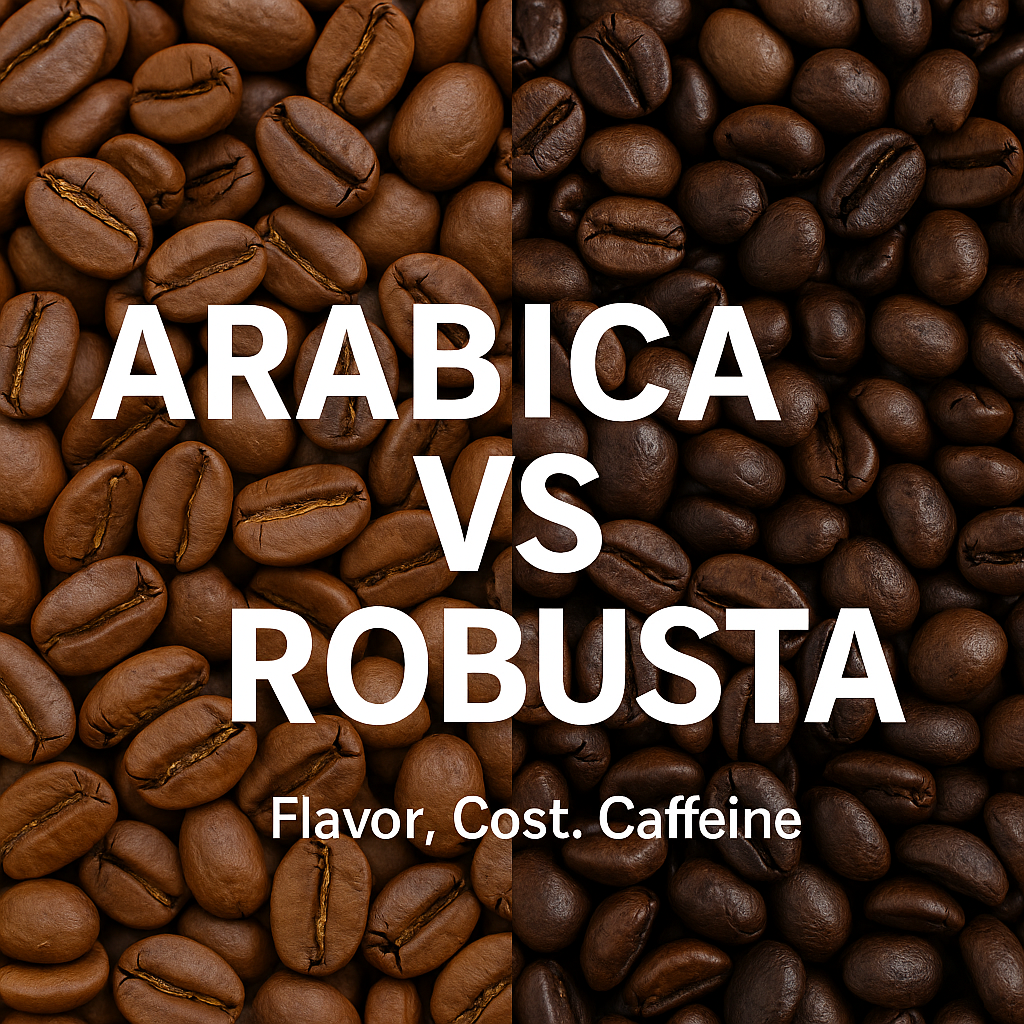
Discover the top premium espresso machines over $500 with our detailed review of best-selling models from Breville, De’Longhi, and Rancilio—featuring built-in grinders, advanced automation, and commercial-grade components to bring professional café-quality espresso to your home.

Best Manual Lever Machines for Home Use

Discover the best manual lever espresso machines for home use, from budget-friendly options like the ROK Presso to premium Italian machines like La Pavoni, with expert reviews and buying guidance for authentic lever brewing.

Return to the Coffee and Espresso Hub