Categories
Uncategorized

Best Coffee Grinders for Home & Office

Selecting the right coffee grinder is crucial for achieving the perfect cup, whether at home or in the office. The grind’s consistency and precision directly influence the flavor and quality of your brew. This guide delves into the various types of coffee grinders—blade, burr (both flat and conical), and manual—exploring their mechanisms, advantages, and disadvantages. We’ll also highlight popular, highly-rated models available on Amazon to assist you in making an informed choice.

Disclosure: As an Amazon Associate I earn from qualifying purchases. This post may contain affiliate links.

Blade Coffee Grinders

Blade grinders are often the entry point for many coffee enthusiasts due to their affordability and simplicity. They operate with a central blade that spins rapidly to chop coffee beans into smaller particles, similar to a blender.

How Blade Grinders Work

In blade grinders, a flat, propeller-like blade rotates at high speeds to slice through coffee beans. The fineness of the grind is determined by the duration of grinding—the longer the operation, the finer the grind. However, this method often results in uneven particle sizes, leading to inconsistent extraction during brewing.

Pros:

  • Affordability
  • Compact design
  • Multi-purpose use (spices, nuts, etc.)

Cons:

  • Inconsistent grind
  • Heat generation
  • Limited control over grind size

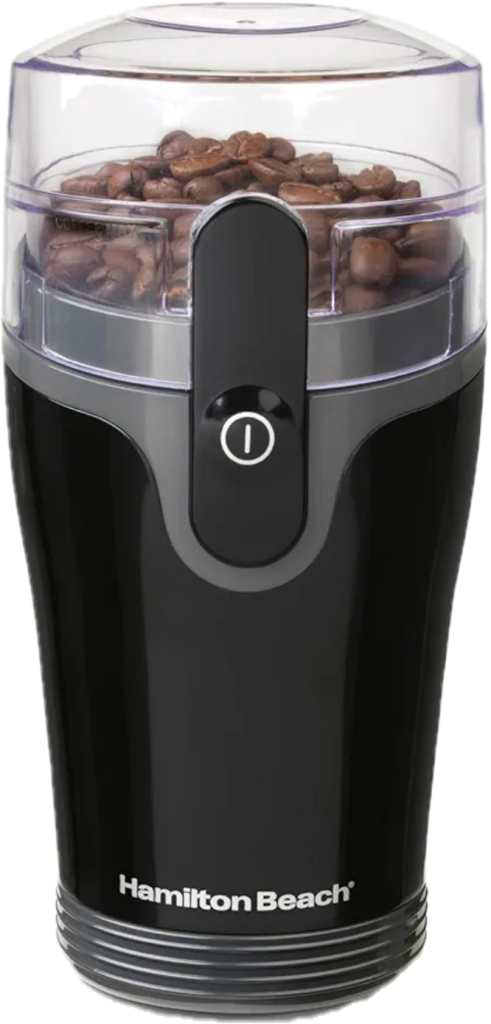
Hamilton Beach Fresh Grind Electric Coffee Grinder

Amazon Rating: 4.5 out of 5 stars (60,000+ reviews)
Link: Hamilton Beach Fresh Grind Electric Coffee Grinder

This grinder features stainless steel blades and a removable grinding chamber for easy cleaning. Its quiet operation and compact design make it suitable for both home and office use.
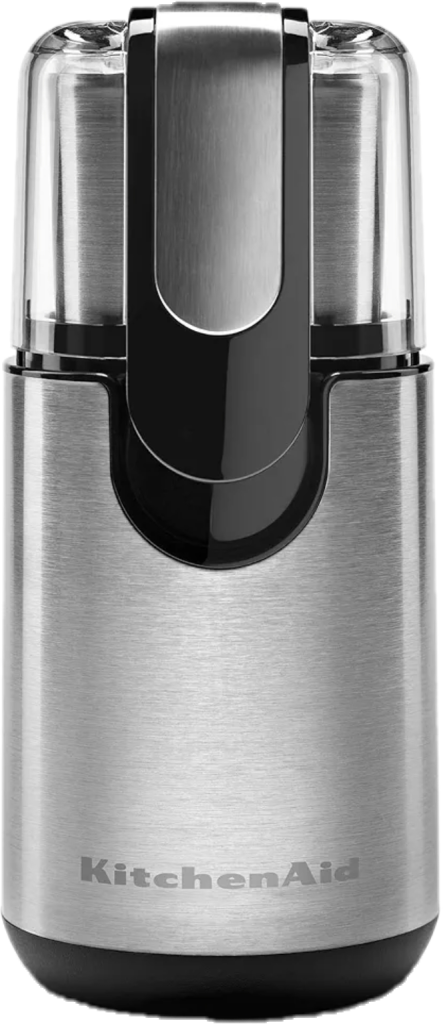
KitchenAid Blade Coffee Grinder

Amazon Rating: 4.4 out of 5 stars (16,500+ reviews)
Link: KitchenAid Blade Coffee Grinder

Equipped with a powerful motor and stainless steel blades, this grinder offers fast and efficient grinding. The clear top cover allows users to monitor consistency.

Flat Burr Coffee Grinders

Flat burr grinders consist of two parallel, ring-shaped burrs with serrated edges. Beans are fed between these burrs and ground to a uniform size. This style is popular for its precise control.

Pros:

  • Highly consistent grind
  • Adjustable settings
  • Suitable for espresso and drip coffee

Cons:

  • Larger footprint
  • Can be noisy
  • Slightly higher heat output

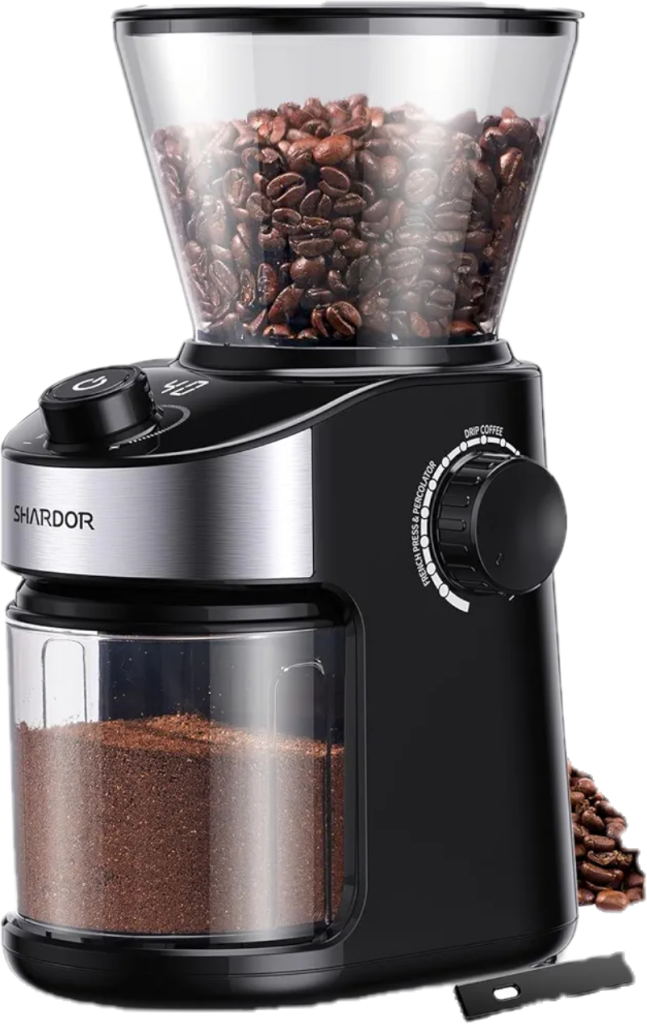
SHARDOR Burr Coffee Grinder

Amazon Rating: 4.5 out of 5 stars
Link: SHARDOR Burr Coffee Grinder

Offering 32 grinding sizes and a 40-second adjustable timer, this grinder caters to various brewing preferences. Its compact design is suitable for home use.

Kaffe Electric Burr Coffee Grinder

Amazon Rating: 4.3 out of 5 stars (7,700+ reviews)
Link: Kaffe Electric Burr Coffee Grinder

Featuring adjustable coarseness settings and a flat burr mechanism, this grinder ensures precision grinding. The automatic on/off function adds convenience.

Conical Burr Coffee Grinders

Conical burr grinders use cone-shaped burrs to grind beans. The beans are fed through the narrow gap between the burrs, resulting in consistent grinding with minimal heat generation.

Pros:

  • Even grind consistency
  • Less heat buildup
  • Quieter operation

Cons:

  • More expensive than blade grinders
  • Can be harder to clean

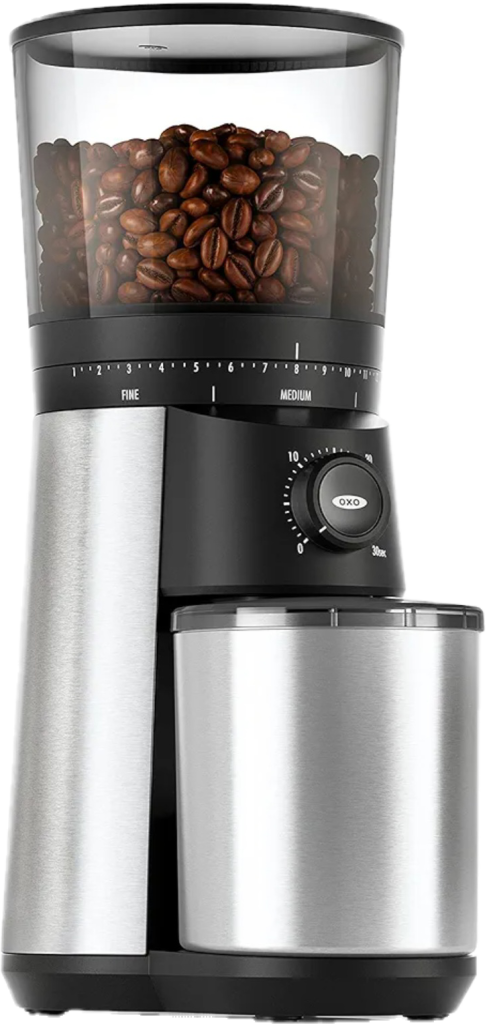
OXO Brew Conical Burr Coffee Grinder

Amazon Rating: 4.3 out of 5 stars (20,800+ reviews)
Link: OXO Brew Conical Burr Coffee Grinder

This grinder offers 15 grind size settings and a one-touch start timer, making it user-friendly. Its conical burrs ensure consistent grinding for various brewing methods.
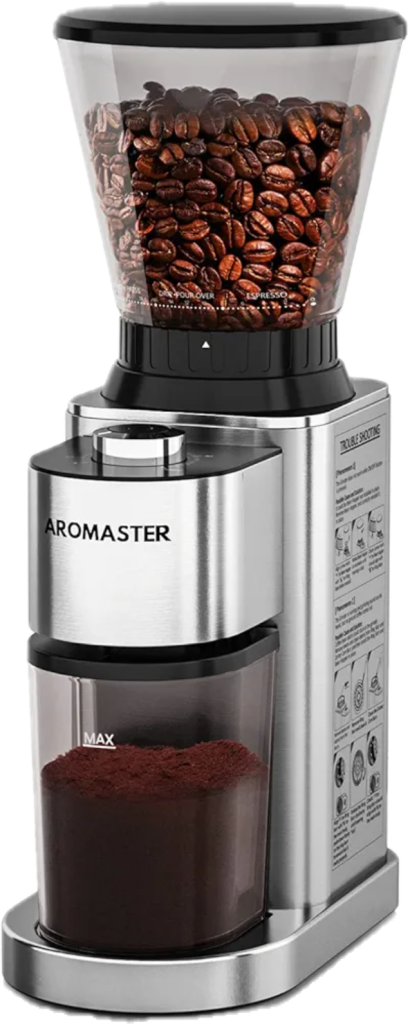
Aromaster Conical Burr Coffee Grinder

Amazon Rating: 4.7 out of 5 stars
Link: Aromaster Conical Burr Coffee Grinder

Built with stainless steel burrs, this grinder offers multiple settings and produces minimal static. It is a top pick for espresso and French press lovers alike.

Manual Coffee Grinders

Manual grinders are a favorite among purists and travelers. They require no electricity, and their grind consistency rivals some electric models.

Pros:

  • Portable and quiet
  • Affordable and durable
  • Great for travel and small kitchens

Cons:

  • Time-consuming
  • Requires physical effort
  • Not ideal for large batches

JavaPresse Manual Coffee Grinder

Amazon Rating: 4.3 out of 5 stars (18,000+ reviews)
Link: JavaPresse Manual Coffee Grinder

This sleek stainless steel grinder has 18 grind settings and a built-in ceramic burr. Compact and travel-friendly, it’s ideal for single-cup brewers and pour-over enthusiasts.

Hario Skerton Pro Ceramic Coffee Mill

Amazon Rating: 4.4 out of 5 stars (3,000+ reviews)
Link: Hario Skerton Pro Coffee Grinder

This Japanese-made grinder features a large glass bowl and improved grind consistency with its ceramic burrs. Its ergonomic handle and durability make it a long-time favorite.


Whether you’re brewing a quick cup at work or dialing in a pour-over at home, choosing the right grinder is essential. Blade grinders offer simplicity, burr grinders deliver precision, and manual grinders give you control and portability. Match your choice to your lifestyle and brewing method, and enjoy better coffee every day.

Head back to Accessories & Workflow Essentials
Categories
Espresso and Coffee

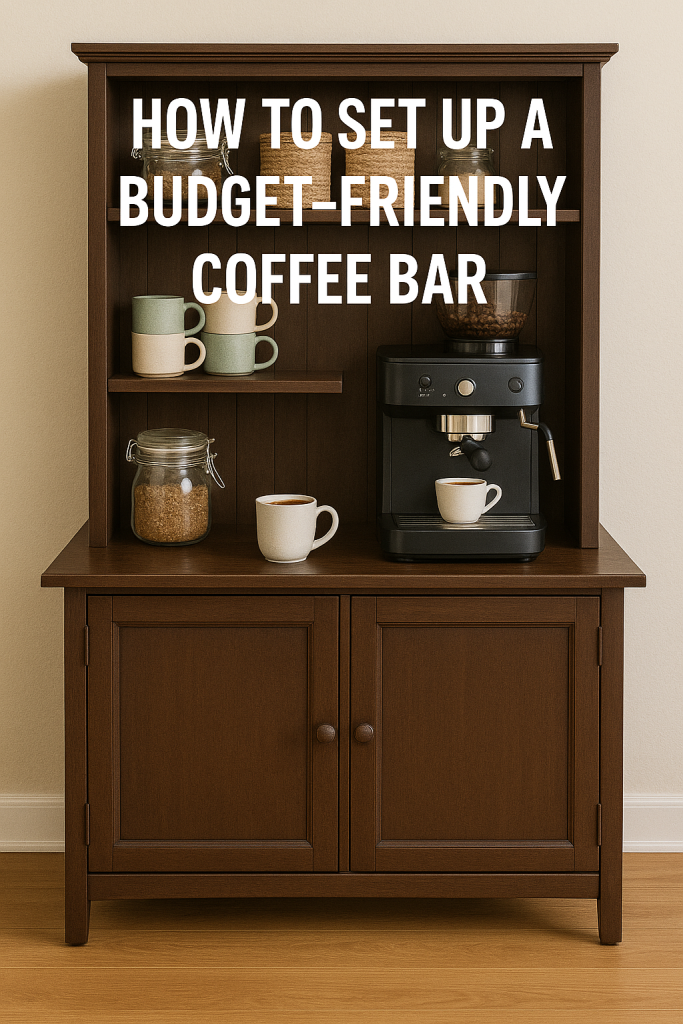
How to Set Up a Budget-Friendly Home Coffee Bar

Creating a budget-friendly home coffee bar is an excellent way to enjoy café-quality beverages without leaving the comfort of your home. By thoughtfully selecting furniture and accessories, you can design a functional and stylish coffee station that suits your space and budget. Here’s a guide to help you set up your home coffee bar, featuring top-rated and best-selling items available on Amazon.

Essential Components of a Home Coffee Bar

To establish a comprehensive coffee bar, consider incorporating the following elements:

  1. Coffee Maker or Espresso Machine – The centerpiece of your coffee bar. Choose a machine that aligns with your preferred brewing method and budget.
  2. Coffee Grinder – Freshly ground beans significantly enhance the flavor of your coffee.
  3. Storage Solutions – Organize your coffee essentials with cabinets, shelves, or carts.
  4. Accessories – Include items like milk frothers, measuring spoons, and a sugar bowl for a complete setup.
  5. Mugs and Cups – Have a selection of your favorite mugs readily available.
  6. Decorative Touches – Personalize your space with plants, artwork, or decorative signs.

Top Budget-Friendly Coffee Bar Furniture and Accessories on Amazon

Here are some highly-rated and best-selling items to consider for your home coffee bar:

Disclosure: As an Amazon Associate I earn from qualifying purchases. This post may contain affiliate links.

1. FATORRI Industrial Wine & Coffee Bar Cabinet

Amazon Rating: 4.7 out of 5 stars (2,000+ reviews)
Link: FATORRI Industrial Coffee Bar Cabinet

This large 55-inch cabinet offers a mix of industrial and rustic charm with a walnut brown finish and black steel frame. It features a spacious countertop, wine rack, open shelving, and concealed storage. Ideal for storing appliances, mugs, and bar tools.

Construction: MDF and powder-coated steel
Color Options: Walnut Brown with Black Frame

Pros:

  • High storage capacity
  • Wine rack and multi-tier layout
  • Solid, stylish design

Cons:

  • Larger footprint
  • Requires two-person assembly

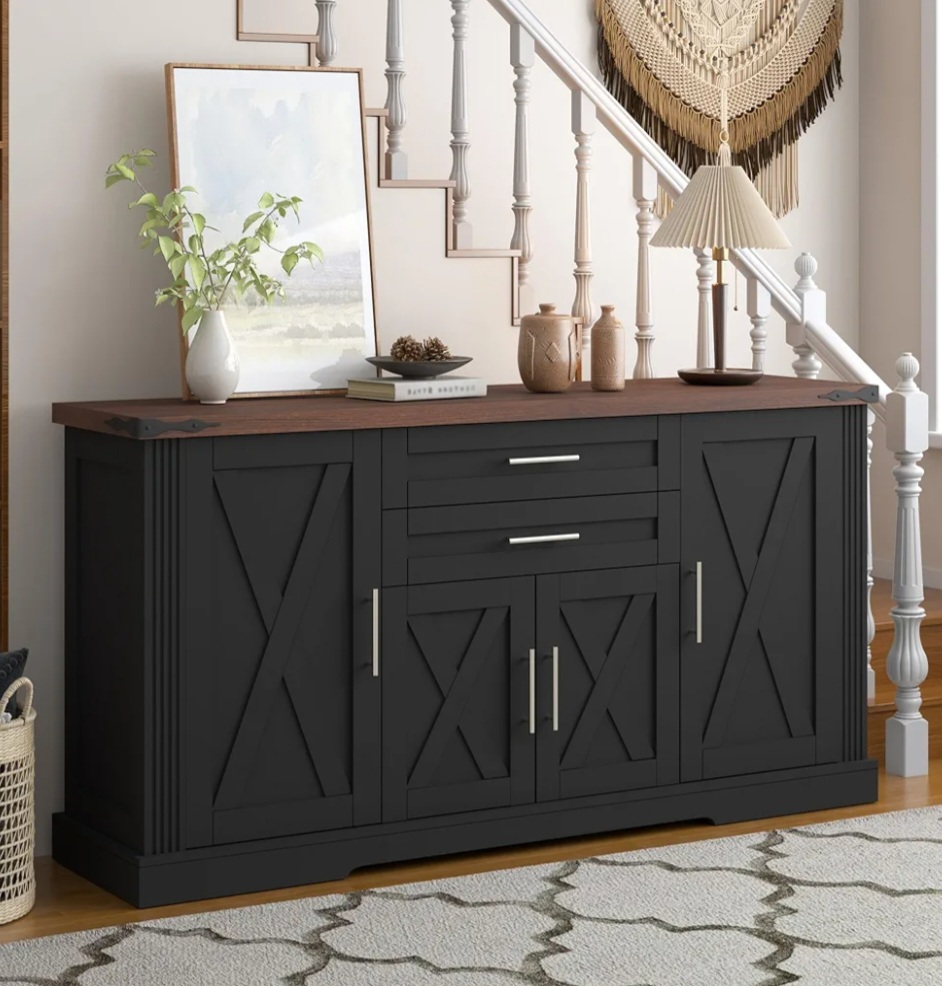
2. BON AUGURE Small Coffee Bar Cabinet

Amazon Rating: 4.6 out of 5 stars (5,000+ reviews)
Link: BON AUGURE Coffee Bar Cabinet

Perfect for tighter spaces, this compact cabinet offers a rustic oak finish and metal frame. Two doors conceal shelving space, while the top offers room for coffee makers or decor. Great for farmhouse or rustic interiors.

Construction: Wood veneer over MDF and steel frame
Color Options: Rustic Oak

Pros:

  • Great for small apartments
  • Versatile storage
  • Farmhouse design appeal

Cons:

  • Smaller countertop
  • Limited open shelving

3. Bestier Coffee Bar Buffet Cabinet

Amazon Rating: 4.5 out of 5 stars (3,000+ reviews)
Link: Bestier Coffee Bar Cabinet

This multifunctional sideboard features adjustable shelves, cabinet doors, and a spacious counter for appliances. Designed to work well as a buffet, console table, or dedicated coffee bar.

Construction: P2 MDF board
Color Options: Rustic Brown, Gray Wash

Pros:

  • Adjustable interior shelves
  • Multi-use for kitchen, hallway, or dining room
  • High weight capacity

Cons:

  • Assembly requires attention to detail
  • Some components may scratch easily

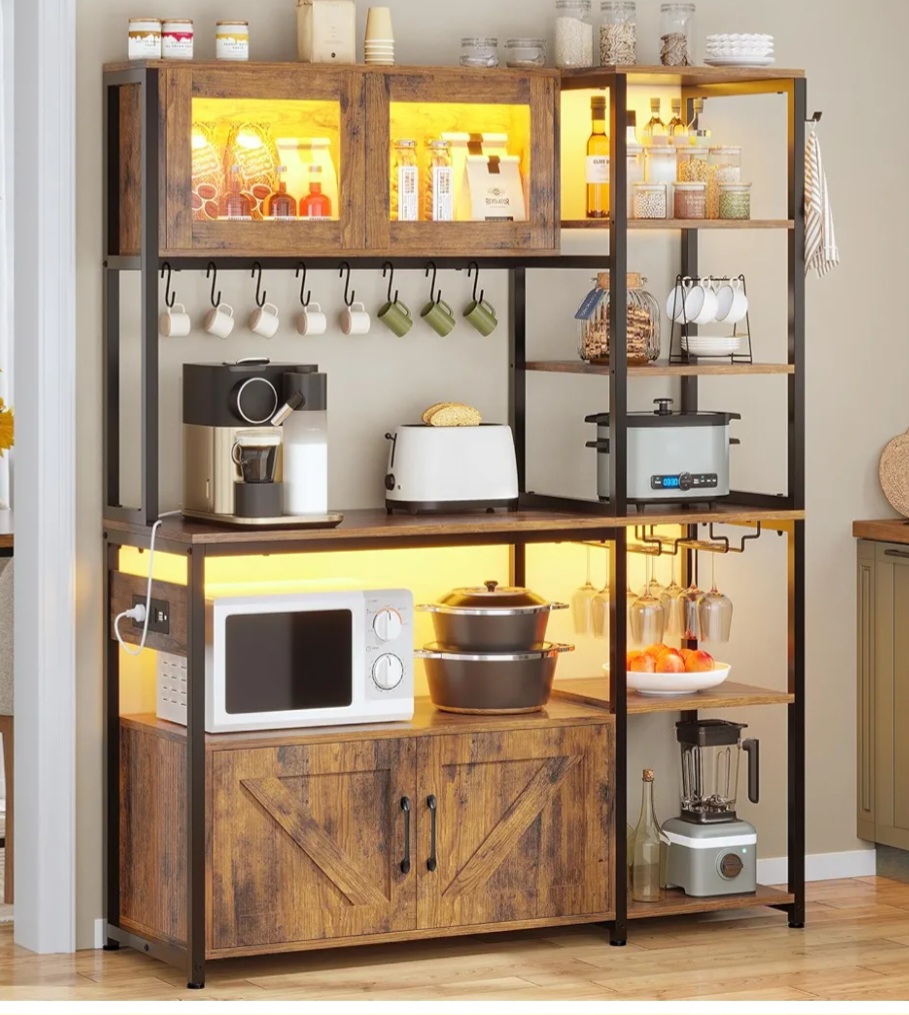
4. Itaar 6-Tier Coffee Bar with Power Outlet

Amazon Rating: 4.6 out of 5 stars (1,000+ reviews)
Link: Itaar 6-Tier Coffee Bar

Loaded with features, this baker’s rack-style unit includes LED lights, a power outlet, wine rack, hooks, and six tiers for maximum storage. A true all-in-one station.

Construction: Engineered wood and steel
Color Options: Rustic Brown with Black Frame

Pros:

  • Integrated power and lighting
  • Tons of vertical storage
  • Includes wine and mug storage

Cons:

  • Taller profile not ideal for low ceilings
  • Open shelving requires neat organization

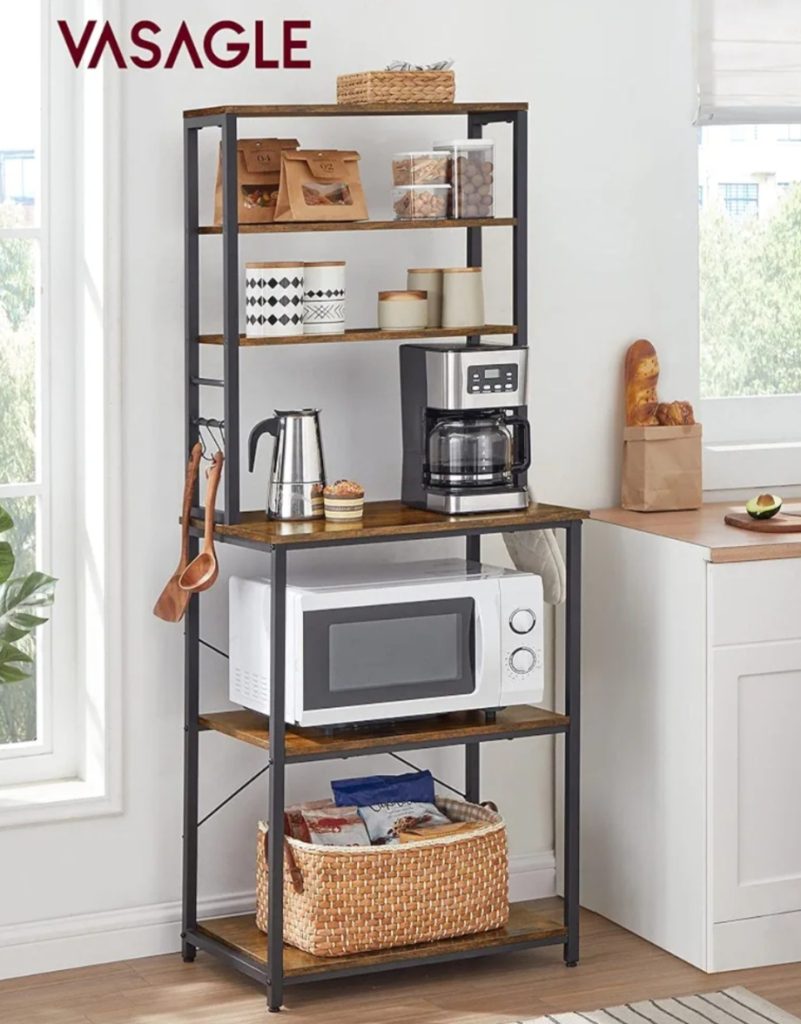
5. VASAGLE Baker’s Rack with Charging Station

Amazon Rating: 4.6 out of 5 stars (3,800+ reviews)
Link: VASAGLE Coffee Bar Rack

This stylish baker’s rack includes a pull-out wire basket, multiple shelves, and a built-in charging station for convenience. Rustic wood tones meet modern practicality.

Construction: Particleboard and steel
Color Options: Rustic Brown with Black Frame

Pros:

  • Charging station for appliances
  • Compact but well organized
  • Great balance of form and function

Cons:

  • Not suited for large equipment
  • Basket isn’t very deep

Recommended Accessories

  • Fellow Atmos Coffee Canister – Keeps your beans fresh longer.
  • Milk Frother (PowerLix or Zulay) – Perfect for making lattes or cappuccinos.
  • Espresso Knock Box – Keeps your cleanup neat and efficient.
  • Digital Coffee Scale – Helps you dial in precise measurements.
  • Wall Hooks or Mug Rack – Adds storage and style to your coffee bar.

Final Thoughts

A home coffee bar doesn’t have to be expensive to be effective or stylish. With the right mix of furniture, tools, and decor, you can build a space that enhances your morning routine without emptying your wallet. Use these Amazon finds to get started on building your perfect budget-friendly coffee nook today.

Head back to Home Espresso Machines

Categories
Espresso and Coffee

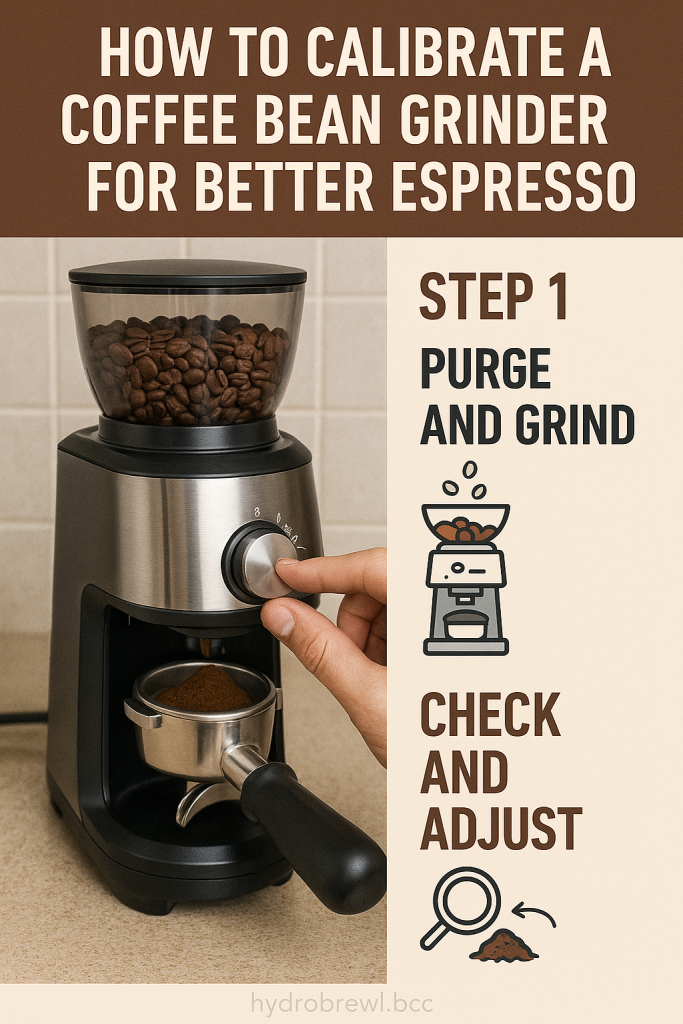
How to Calibrate a Coffee Bean Grinder for Better Espresso

Dialing in your coffee bean grinder is one of the most important steps in making excellent espresso. Unlike drip coffee, espresso is incredibly sensitive to grind size, dose, and distribution. Even small changes can mean the difference between a sour shot and a perfectly balanced espresso. Calibrating your coffee bean grinder ensures consistency, flavor, and crema in every cup.

In this guide, we’ll walk through how to properly calibrate your coffee bean grinder for espresso, including the tools you need, how to assess grind size, and how to make precise adjustments.

Why Grinder Calibration Matters

Espresso requires a fine, even grind to extract correctly under high pressure. If the grind is too coarse, water flows too quickly, resulting in under-extraction and sour flavors. If the grind is too fine, it can choke the machine or create bitter, over-extracted shots.

Proper calibration ensures:

  • Consistent grind size
  • Ideal extraction time (25–30 seconds)
  • Balanced flavor and body
  • Stable crema
  • Minimal channeling or clogs

A well-calibrated coffee bean grinder is the foundation of any high-quality espresso routine.

Step 1: Start with Fresh Beans and a Clean Grinder

Before calibrating, clean your grinder and start with fresh, medium to dark roasted beans:

  • Use beans roasted within the past 2–4 weeks.
  • Avoid oily beans that can gum up the burrs.
  • Empty old grounds from the chamber and clean the burrs with a brush or vacuum.

Clean equipment ensures your adjustments reflect real changes in grind size—not residual buildup or stale grounds.

Step 2: Understand Your Grinder Settings

Most espresso grinders fall into two categories:

  • Stepped Grinders: Use preset clicks or notches to adjust grind size.
  • Stepless Grinders: Allow for continuous adjustment, offering more precision.

Familiarize yourself with your grinder’s controls and how to adjust finer vs. coarser:

  • Turning the dial toward “fine” will slow the shot and increase resistance.
  • Turning the dial toward “coarse” will speed up the shot and reduce resistance.

Mark your starting point with a piece of tape or marker for easy reference during calibration.

Step 3: Dial In Your Grind Size

This is where the real calibration begins. You’ll be pulling test shots and adjusting based on extraction time and visual cues.

Pull a Test Shot

  1. Weigh out 18–20g of coffee (depending on your basket).
  2. Tamp consistently and evenly.
  3. Start your shot and time the extraction.

Analyze the Shot

  • If the shot finishes in under 20 seconds, the grind is too coarse.
  • If the shot takes longer than 35 seconds, the grind is too fine.
  • Aim for a 25–30 second shot time for double espresso (36–40g yield).

Adjust and Repeat

  • If too fast: adjust finer in small increments.
  • If too slow: adjust coarser.

Let the grinder run for a few seconds after each change to purge the old grind.

Step 4: Evaluate Taste and Texture

Don’t rely on timing alone—taste your espresso.

  • Sour? Under-extracted, likely too coarse.
  • Bitter? Over-extracted, likely too fine.
  • Flat or dull? Could be stale beans, uneven tamp, or incorrect dose.

A great espresso should be sweet, balanced, and full-bodied with a golden crema.

Step 5: Lock in Your Settings and Monitor Consistency

Once you’ve found the sweet spot:

  • Take note of your grind setting, dose, and yield.
  • Use a notepad or app to track changes when switching beans.
  • Calibrate again when you get new beans or notice a drop in shot quality.

Environmental factors like humidity and temperature can also affect grind behavior—especially with fresh beans—so small tweaks may be needed.


Final Tips for Grinder Calibration

  • Purge between adjustments: Always run the grinder for a few seconds after changing settings to avoid mixing grinds.
  • Use a scale and timer: Precision matters when calibrating—consistency is key.
  • Warm up your machine: Pull a few blank shots before testing to stabilize temperature.
  • Keep your grinder clean: Monthly cleaning with grinder-safe pellets or a dry brush helps maintain accuracy.
  • Recalibrate for new beans: Each roast behaves differently. Start over when switching to a new origin or roast profile.

With careful calibration, your coffee bean grinder becomes a tool of precision and power—one that helps you unlock the best flavors your beans have to offer. Once you’ve dialed it in, you’re on the path to espresso excellence.

Head back to Accessories & Workflow Essentials

Categories
Espresso and Coffee

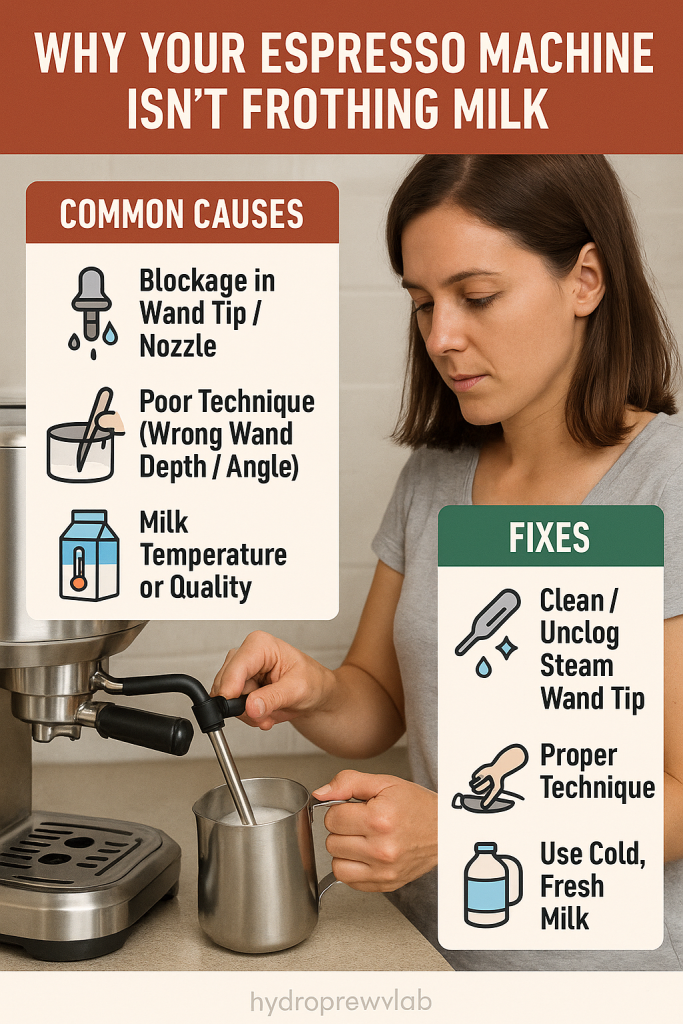
Why Your Espresso Machine Isn’t Frothing Milk: Common Causes and Fixes

Steaming milk to a creamy, velvety texture is an essential part of making lattes, cappuccinos, and flat whites. But what happens when your espresso machine isn’t frothing milk properly? Whether you’re getting large bubbles, no foam at all, or the steam wand doesn’t work, milk frothing problems can turn your café-quality dreams into a frustrating mess.

This guide explores the most common reasons your espresso machine might not be frothing milk—and how to fix them.

1. The Steam Wand Is Clogged or Dirty

Milk residue can dry inside the steam wand and block steam flow, especially if the wand isn’t cleaned immediately after each use.

Symptoms:

  • No steam or weak steam pressure
  • Sputtering steam
  • Buildup or burnt milk odor on the wand

Fixes:

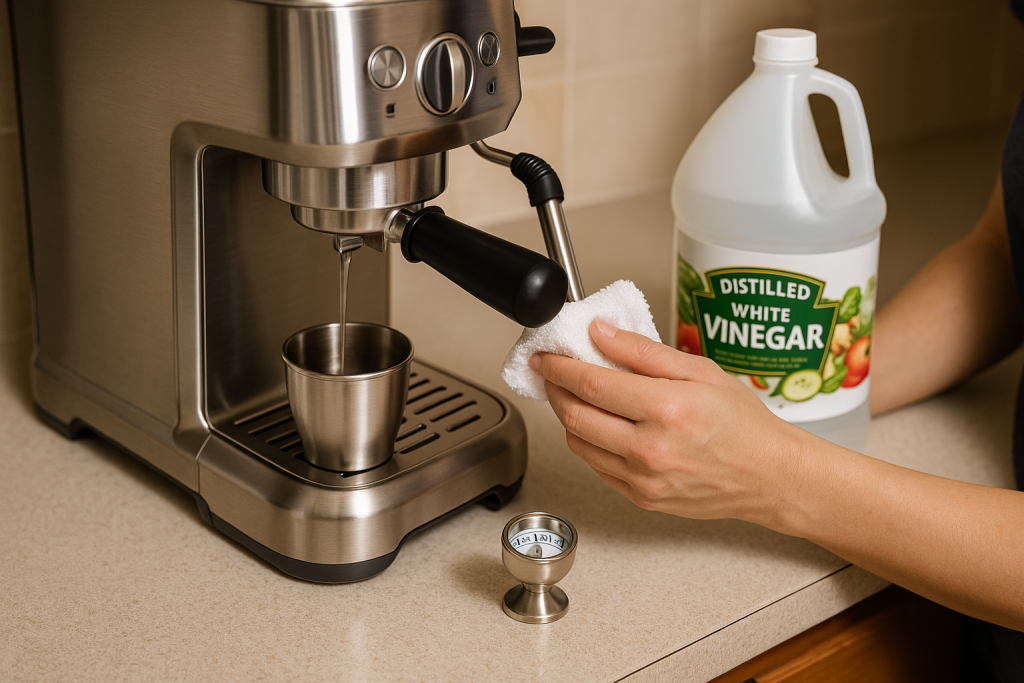
  • Soak the steam wand in a cup of warm water with a splash of vinegar or milk cleaner for 10–15 minutes.
  • Use a pin or steam wand cleaning brush to clear the tip holes.
  • After soaking, purge the wand by turning on steam for 3–5 seconds.

Pro Tip: Always wipe the wand immediately after steaming and purge it before and after each use to prevent buildup.

2. Your Machine Isn’t Reaching Proper Temperature or Pressure

Milk needs high-temperature steam and adequate pressure to froth properly. If the boiler isn’t getting hot enough or pressure is low, the wand won’t aerate milk correctly.

Symptoms:

  • Steam is cool or not forceful enough
  • No froth formation, just warm milk

Fixes:

  • Let your machine fully heat up before steaming. Some machines take 5–10 minutes to reach proper steam temperature.
  • Check your pressure gauge (if available). Most machines need 1.2–1.5 bars for effective steaming.
  • If it’s still weak, descale your machine. Mineral buildup can affect temperature and pressure control.

3. You’re Using the Wrong Type of Milk

Not all milk froths equally. The type and temperature of milk significantly impact foam texture and stability.

Best Milks for Frothing:

  • Whole Milk: Best for creamy, stable foam
  • 2% Milk: Froths well but with less creaminess
  • Oat Milk (Barista Blend): Excellent for frothing with neutral flavor
  • Soy Milk (Barista Blend): Good microfoam, but can be temperature-sensitive

Tips:

  • Always use cold milk straight from the fridge (38–40°F).
  • Avoid ultra-pasteurized or long-shelf-life milk, which doesn’t foam well.
  • Don’t re-steam milk—use fresh milk for each drink.

4. Poor Frothing Technique

Technique matters. Even with the best milk and machine, poor wand positioning or steaming time will ruin foam.

Common Mistakes:

  • Keeping the wand too deep in the milk
  • Holding the wand too close to the surface without enough tilt
  • Steaming too long (overheating milk)

Fixes:

  1. Submerge the tip just below the surface to incorporate air for the first 5 seconds.
  2. Tilt the pitcher slightly to create a whirlpool motion.
  3. Once the milk reaches 100°F (hand-warm), submerge the wand deeper to heat it to 140–150°F.
  4. Stop steaming when the pitcher becomes too hot to touch for more than 2–3 seconds.

5. Your Machine Isn’t Designed for Good Frothing

Entry-level or capsule espresso machines often have weak steam wands that can’t generate the pressure needed for microfoam.

Symptoms:

  • Steam output is consistent but weak
  • Foam is bubbly and inconsistent

What You Can Do:

  • Upgrade to a machine with a more powerful steam boiler or thermoblock.
  • Consider a standalone milk frother as an alternative.
  • Some machines have a pannarello wand (auto-frother)—try removing the sleeve for better manual control.

Final Tips for Better Milk Frothing

  • Always start with cold milk in a cold pitcher.
  • Use a stainless steel milk jug with a tapered spout for better pouring control.
  • Practice your timing—most frothing should be complete in 20–30 seconds.
  • Wipe and purge your steam wand religiously.

If your espresso machine isn’t frothing milk the way you want, don’t give up. With the right maintenance, technique, and a little practice, you’ll be swirling latte art-worthy microfoam in no time.


Milk Frothing Troubleshooting Table

SymptomPossible ProblemSolution
No steam or weak steamClogged steam wandSoak and clean wand; purge before/after each use
Lukewarm or no frothMachine not at proper temp or pressureAllow full warm-up; descale if needed
Large bubbles, no microfoamIncorrect techniqueAdjust wand position; create whirlpool motion
Bubbly, unstable foamWrong milk type or too hotUse cold whole milk; stop steaming at 140–150°F
Steam wand spurts or sputtersMilk residue blocking wand tipSoak and clean; use pin or brush to unclog
No improvement after cleaningMachine design limitationUpgrade to a machine with better steam capacity

Head back to Accessories & Workflow Essentials

Categories
Espresso and Coffee

Espresso Machine Troubleshooting: Ultimate Guide to Common Problems

Pulling the perfect shot of espresso is a satisfying blend of science and art. But even the most skilled baristas encounter issues from time to time. Whether your espresso tastes bitter, flows too fast, or lacks crema, small variables can throw everything off. This comprehensive troubleshooting guide is here to help you diagnose and solve the most common espresso-making problems.

Understanding the Variables of Espresso

Before jumping into specific issues, it’s important to recognize that espresso relies on several interconnected variables:

  • Grind size – The fineness of your grind determines how fast or slow the water passes through the coffee puck.
  • Dose (amount of coffee) – Too much or too little coffee impacts extraction and balance.
  • Tamping pressure – Uneven or inconsistent tamping can cause channeling and uneven flavor.
  • Water temperature – Water that’s too hot or too cool will extract flavors incorrectly.
  • Extraction time – The shot should typically last between 25–30 seconds for ideal results.
  • Machine cleanliness and maintenance – Dirty machines affect pressure, temperature, and taste.

Mastering these variables gives you the ability to troubleshoot nearly any espresso-related problem.

Taste Issues

Bitter Espresso

Bitterness is often a sign of over-extraction. It means the water spent too much time in contact with the coffee, pulling out undesirable flavors like tannins.

Solutions:

  • Use a slightly coarser grind to speed up extraction.
  • Decrease brew time—stop the shot between 25 and 30 seconds.
  • Make sure water temperature doesn’t exceed 205°F.
  • Deep-clean your machine, especially the group head and portafilter, to remove old coffee residue.

Sour Espresso

Sour flavors come from under-extraction. This happens when the water passes through the puck too quickly, leaving behind the sweet, full-bodied notes.

Solutions:

  • Try a finer grind to slow the water flow.
  • Increase the dose slightly to increase contact time.
  • Confirm your water temperature is above 195°F.
  • Use fresh, medium-roast beans for a more balanced shot.

Bland or Watery Espresso

A watery or flavorless shot may feel hollow in the mouth and lack body or richness.

Solutions:

  • Increase your dose by 1–2 grams.
  • Ensure an even, firm tamp with about 30 lbs of pressure.
  • Verify your beans are freshly roasted and properly stored.
  • Try using a finer grind to increase extraction time.

Technical and Flow Issues

Channeling (Uneven Extraction)

Channeling happens when water finds weak spots in the puck and flows through unevenly. This creates over- and under-extracted zones in the same shot.

Solutions:

  • Level your coffee bed before tamping using a distribution tool or finger sweep.
  • Apply consistent tamping pressure.
  • Check for puck fractures or uneven sides after tamping.
  • Replace damaged or worn portafilter baskets.

Espresso Coming Out Too Fast

This results in weak, sour, or under-extracted espresso.

Solutions:

  • Adjust to a finer grind to slow water flow.
  • Use a higher coffee dose.
  • Tamp more firmly and consistently.

Espresso Coming Out Too Slow or Not at All

When water can’t pass through, it usually means the puck is too compact or the grind is too fine.

Solutions:

  • Use a coarser grind.
  • Decrease your dose slightly.
  • Check for clogs in the shower screen or group head.
  • Clean your machine thoroughly.

Crema Issues

No Crema

No crema usually means stale beans or insufficient pressure.

Solutions:

  • Use fresh beans, ideally within 2–3 weeks of roast date.
  • Verify your machine builds up enough pressure (at least 9 bars).
  • Make sure your machine and portafilter are clean and dry.

Thin or Rapidly Dissipating Crema

Crema should be thick, golden, and hold for at least 30 seconds.

Solutions:

  • Improve tamping consistency and dose.
  • Verify machine pressure and water temperature.
  • Avoid beans that are overly oily or too darkly roasted.

Temperature and Machine Issues

Lukewarm Espresso

Low-temperature espresso can flatten flavor and dull crema.

Solutions:

  • Always preheat your machine and portafilter.
  • Use a digital thermometer to check your brew water.
  • Rinse your cup with hot water before brewing.

Steam Wand Not Frothing Milk Well

Frothing problems usually stem from milk type, pressure issues, or a clogged wand.

Solutions:

  • Use cold whole milk for best microfoam.
  • Soak the steam wand in warm water and vinegar to clear blockages.
  • Ensure your machine reaches steam-ready temperature.
  • Purge the wand before and after every use.

Espresso Troubleshooting Table

SymptomPossible CauseSolution(s)
Bitter tasteOver-extraction, water too hotUse coarser grind, lower brew temp, clean machine
Sour tasteUnder-extractionUse finer grind, increase brew time
Watery or bland shotUnder-dosed, grind too coarseIncrease dose, use finer grind
No cremaStale beans, low pressure, dirty machineUse fresh beans, check pressure, clean group head
Thin cremaUnder-extraction, poor tampAdjust grind and tamp, use fresh beans
Fast flowGrind too coarse, under-dosedUse finer grind, increase dose
Slow or no flowGrind too fine, over-tampedUse coarser grind, reduce tamp/dose
ChannelingUneven tamp or coffee bedDistribute grounds evenly, tamp level
Lukewarm espressoMachine not preheatedPreheat machine, use warm cups
Milk won’t frothBlocked wand, low pressureClean wand, purge before/after, use whole milk

Final Thoughts

Espresso troubleshooting is part of the learning curve—and even seasoned baristas still tweak their technique. The good news is that every espresso issue has a solution, often with just a minor adjustment to your grind, dose, tamp, or temperature. Keep a log of your shots, note changes, and don’t be afraid to experiment.

Remember that clean, well-maintained equipment is just as important as good technique. Consistent cleaning, using fresh beans, and practicing your workflow will set you up for success. With time, patience, and the tips in this guide, you’ll be pulling beautifully balanced espresso in no time.

Head back to Accessories & Workflow Essentials
Categories
Espresso and Coffee

Descaling vs. Backflushing: What You Need to Know

To keep your espresso machine in top shape and your coffee tasting great, cleaning it regularly is essential. But not all cleaning methods are the same. Two of the most important maintenance tasks—descaling and backflushing—are often misunderstood or used interchangeably. In reality, they serve different purposes and are required at different intervals. In this guide, we’ll break down the key differences between descaling and backflushing, why both are necessary, and how to do them correctly.

What Is Descaling?

Purpose of Descaling

Descaling removes mineral deposits (primarily calcium and magnesium) that build up inside your espresso machine’s internal components due to hard water. Over time, these deposits can clog water lines, reduce heating efficiency, and damage internal parts like boilers and pumps.

When to Descale

Most manufacturers recommend descaling every 1 to 3 months, depending on your water hardness and usage frequency. If you use filtered or softened water, you can usually go longer between descalings. Signs you need to descale include slower brewing times, reduced water flow, or a noticeable change in taste.

How to Descale

  1. Mix a descaling solution (either a commercial product or 1:1 white vinegar and water).
  2. Fill the water reservoir with the solution.
  3. Run a brew cycle halfway, let it sit for 15–20 minutes, then complete the cycle.
  4. Rinse by running 2–3 cycles of clean water.

What Is Backflushing?

Purpose of Backflushing

Backflushing removes coffee oils, grounds, and residue that build up behind the group head screen in semi-automatic and manual espresso machines. This cleaning method targets the brew path, not the internal boiler system.

When to Backflush

Backflushing with water should be done every day or every other day if you’re using the machine heavily. A chemical backflush with espresso machine cleaner should be done weekly to deep clean the brew path.

How to Backflush

  1. Insert a blind filter (backflush disk) into the portafilter.
  2. Add a small amount of backflush detergent.
  3. Lock the portafilter into the group head and run the pump for 10 seconds.
  4. Stop and wait for 5–10 seconds; repeat 5–6 times.
  5. Rinse thoroughly with water-only backflush cycles.

Key Differences Between Descaling and Backflushing

FeatureDescalingBackflushing
TargetsInternal pipes, boiler, water linesGroup head, solenoid valve
FrequencyEvery 1–3 monthsDaily (water) / Weekly (chemical)
Cleaning SolutionVinegar or commercial descalerEspresso machine detergent
Suitable ForAll espresso machinesMachines with 3-way solenoid valves
PreventsScale buildup, water flow issuesBitterness, clogs, taste degradation

Do You Need to Do Both?

Yes—descaling and backflushing are complementary. Descaling addresses mineral buildup inside the water system, while backflushing cleans the coffee residue from the brew path. Skipping either can reduce performance, shorten your machine’s lifespan, and negatively impact flavor.

If your espresso machine doesn’t have a 3-way solenoid valve (common in some super-automatics), it may not support traditional backflushing. In that case, consult your user manual for cleaning protocols.

Final Tips for Better Maintenance

  • Always refer to your machine’s user manual before using cleaning products.
  • Use filtered or softened water to reduce mineral buildup.
  • Keep a cleaning log to track when you descale and backflush.

By understanding the difference between descaling and backflushing—and when to do each—you’ll keep your espresso machine running smoothly and your shots tasting consistently great.

Head back to Accessories & Workflow Essentials
Categories
Espresso and Coffee

How to Clean an Espresso Machine (Vinegar & More)

Cleaning your espresso machine is essential for maintaining flavor, extending the life of your equipment, and ensuring every shot pulls perfectly. Whether you’re working with a semi-automatic, fully automatic, or manual espresso machine, regular cleaning keeps oils, grounds, and hard water deposits from ruining your coffee. In this guide, we’ll walk through how to clean your espresso machine thoroughly—with vinegar and other effective methods.

Daily Cleaning: Small Steps That Make a Big Difference

Rinse the Group Head and Portafilter

After each use, run water through the group head to remove any remaining coffee grounds. Detach the portafilter, knock out the puck, rinse it with warm water, and wipe it dry. This prevents buildup and stale coffee residue.

Wipe the Steam Wand

Steam wands can quickly become clogged with milk residue. Immediately after steaming milk, purge the wand by turning it on for 2-3 seconds, then wipe with a damp cloth. For dried milk, soak the tip in warm water for 10–15 minutes and scrub with a steam wand brush.

Empty and Rinse the Drip Tray and Waste Bin

Espresso machines with internal bins or drip trays should be emptied and rinsed daily. These components can harbor mold or bacteria if neglected. Use mild soap and warm water, then dry completely before reinserting.

Weekly Cleaning: Deep Cleaning Key Components

Backflushing the Group Head

If your espresso machine supports it, use a blind filter basket and backflush with water daily and with espresso machine cleaner weekly. This clears out oils and residue behind the group screen. Follow your machine’s backflushing instructions.

Soaking the Portafilter and Baskets

Once a week, soak metal parts like the portafilter and filter baskets in a solution of warm water and espresso cleaner or a mix of vinegar and baking soda. Rinse thoroughly before use.

Cleaning the Water Reservoir

Remove the water tank, empty any stagnant water, and clean with mild dish soap. For added sanitization, use a mixture of 1 part vinegar to 3 parts water, let sit for 15 minutes, then rinse well.

Monthly Maintenance: Descaling and Sanitizing

Descaling with Vinegar or a Descaler

Hard water causes mineral buildup in the internal boiler and pipes. To descale:

  1. Fill the reservoir with 1 part vinegar to 1 part water (or use a commercial descaler).
  2. Run the brew cycle halfway, pause for 15 minutes, then resume.
  3. Repeat the process with fresh water 2-3 times to flush out vinegar residue.

Sanitize the Steam Wand Internally

Fill a cup with water and a bit of vinegar, place the wand in it, and activate the steam function for several seconds. Repeat with plain water to rinse. This ensures internal milk residue is eliminated.

Inspect and Clean Seals and Gaskets

Use a soft brush or cloth to clean around seals, especially the group gasket. Inspect for cracks or hardening—these should be replaced as needed to prevent leaks and maintain pressure.

Pro Tips for Long-Term Espresso Machine Care

Use Filtered or Softened Water

Using filtered water minimizes the frequency of descaling and improves taste. Avoid distilled water, as it may interfere with sensors in some machines.

Create a Cleaning Schedule

Use a checklist or calendar to track daily, weekly, and monthly tasks. Regularity ensures you don’t forget critical steps, especially descaling.

Invest in Specialized Tools

A few small tools make cleaning much easier: backflush disk, steam wand brush, group head brush, and espresso-safe cleaners. Keeping them on hand encourages routine maintenance.

Conclusion

Keeping your espresso machine clean is more than just a chore—it’s a critical step toward consistently excellent coffee. From daily rinses and steam wand wipes to weekly deep cleans and monthly descaling, each task ensures that your machine runs efficiently and your drinks taste their best. Whether you rely on vinegar, specialized cleaners, or a bit of both, following a regular maintenance routine will keep your equipment in top condition.

By understanding your machine’s needs and creating a manageable cleaning schedule, you’ll not only extend its lifespan but also enjoy better-tasting espresso every time. With just a few minutes of upkeep each week, your machine can deliver café-quality results for years to come.

Head back to Accessories & Workflow Essentials
Categories
Drinkware

Cleaning & Use: A Practical Guide to Insulated Tumblers

Proper cleaning and care can extend the life of your tumbler and preserve the flavor of your drinks. This section dives into the most common questions and concerns around maintaining your insulated drinkware, whether you use it daily for coffee, smoothies, tea, or cold water. Tumblers are an investment—and with the right care, they’ll serve you well for years.

Disclosure: This article contains affiliate links. If you purchase through them, we may earn a small commission at no additional cost to you. This helps support our work and allows us to continue providing helpful product recommendations.

How to Clean and Maintain Your Tumbler

Daily cleaning is essential to prevent residue buildup, unpleasant odors, and bacterial growth. After each use, rinse your tumbler with warm water to remove any leftover liquids. For a thorough clean:

  1. Fill the tumbler with warm water and a few drops of mild dish soap.
  2. Use a long-handled bottle brush or sponge to scrub the interior. Focus on the bottom and sides where residue often clings.
  3. Remove the lid and disassemble any parts, such as the gasket, straw, or slider mechanism.
  4. Clean the lid thoroughly with a soft brush or cloth, paying attention to rubber seals, threading, and any nooks that may harbor bacteria.
  5. Rinse all components thoroughly to remove soap residue.
  6. Air dry upside-down on a drying rack to prevent moisture buildup.

For weekly maintenance, soak all parts (including the lid and gaskets) in a solution of 1 part white vinegar to 3 parts warm water for 30 minutes. Rinse thoroughly and dry completely.

Pro Tip: Avoid letting drinks—especially milk-based or sugary beverages—sit in your tumbler overnight, as they can lead to staining and sour smells.

Are Tumblers Dishwasher Safe?

It depends on the brand and specific tumbler model. While many stainless steel tumblers advertise dishwasher safety, hand washing is usually recommended to preserve longevity and appearance. Here’s why:

  • Powder-coated or painted finishes can chip, fade, or peel in high-heat dishwashers.
  • Rubber gaskets and seals may degrade over time when exposed to high temperatures and detergent chemicals.
  • Lid mechanisms with moving sliders or seals can trap food particles and require manual cleaning to fully dislodge debris.

Always refer to the manufacturer’s cleaning instructions. If your tumbler is labeled “top-rack dishwasher safe,” use a gentle cycle with cool or warm water, and avoid using heated dry settings.

Hand washing with mild soap and a soft brush remains the safest way to maintain your tumbler’s appearance and performance over time.

Why Your Tumbler Smells—and How to Fix It

Does your tumbler have a lingering odor even after cleaning? Common culprits include:

  • Moisture trapped in the lid or gasket
  • Residue from milk, protein shakes, or coffee oils
  • Bacteria or mold buildup in hard-to-reach spots

To eliminate smells effectively:

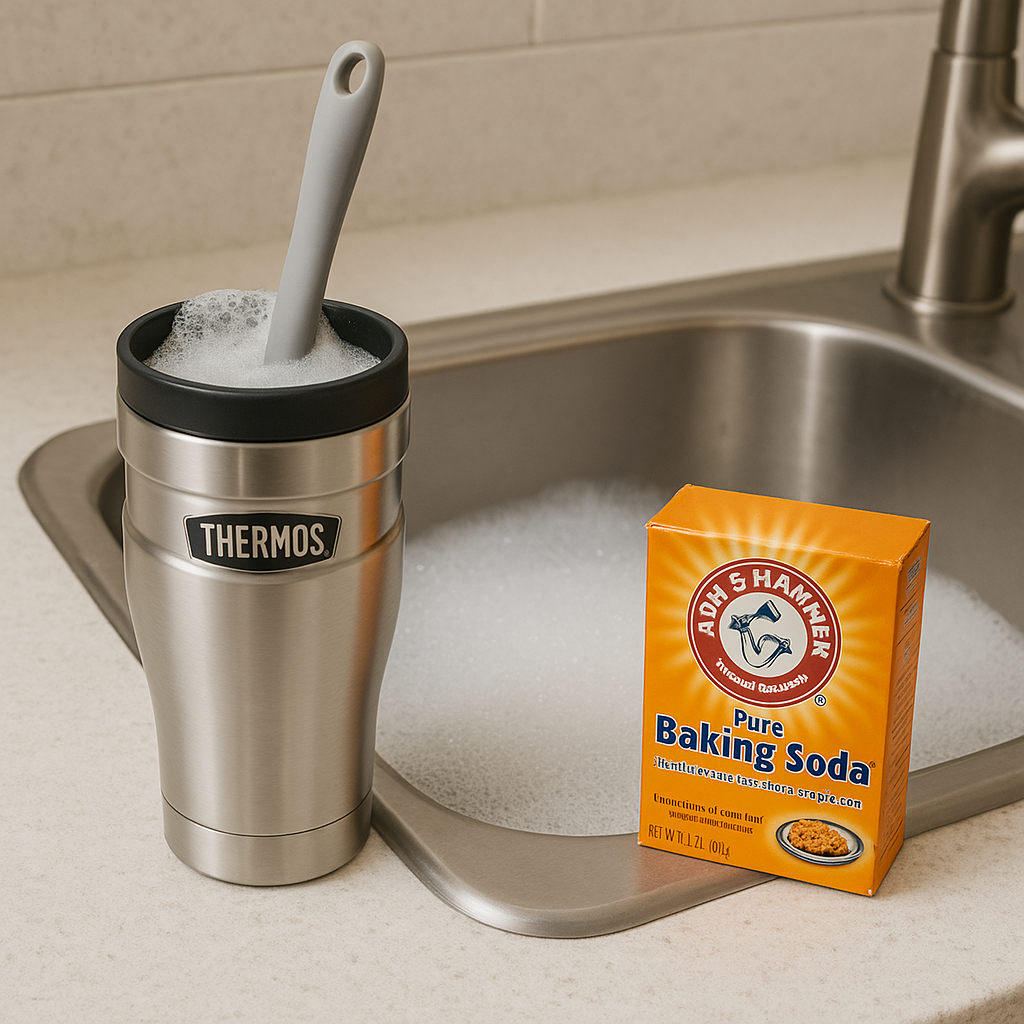
  1. Mix 1 tablespoon of baking soda with warm water and fill the tumbler.
  2. Let it sit for at least 30 minutes, or overnight for tough odors.
  3. Scrub with a bottle brush, focusing on interior corners and lid grooves.
  4. Rinse thoroughly and dry upside-down with the lid removed.

You can also add a splash of white vinegar for added odor-fighting power. Do this weekly if you use your tumbler daily.

Avoid sealing the lid when the tumbler is wet. Always allow full drying before storing with the lid on.

Removing Coffee & Tea Stains from Stainless Tumblers

Even high-quality stainless steel tumblers can develop unsightly stains over time from daily use, particularly with dark beverages like coffee and tea. To restore your tumbler’s shine:

  1. Mix 2 tablespoons of baking soda with a splash of water to form a paste.
  2. Apply the paste to stained areas using a soft sponge or non-abrasive brush.
  3. Let sit for 10–15 minutes.
  4. Scrub gently, rinse thoroughly, and dry.

For deep-set stains:

  • Fill the tumbler with warm water and a few tablespoons of white vinegar.
  • Let it sit for several hours or overnight.
  • Add a bit of baking soda before scrubbing for extra lifting power.

Avoid harsh abrasives like steel wool, which can scratch and dull the stainless steel, reducing insulation efficiency over time.

Do Tumblers Harbor Bacteria? What to Know

Yes—if not cleaned properly, insulated tumblers can become breeding grounds for bacteria, mold, and yeast, particularly in the lid. Warm, dark, and moist environments are ideal for bacterial growth, and many lids have tight crevices that trap moisture.

To stay safe:

  • Always disassemble the lid completely during cleaning.
  • Sanitize components regularly using vinegar, baking soda, or a mild bleach solution (1 teaspoon bleach per quart of water).
  • Let all parts dry completely before reassembling.

Some brands now offer antimicrobial lids or dishwasher-safe designs for better hygiene. Still, frequent hand cleaning is the most effective way to maintain a safe drinking experience.

Pro Tip: Avoid using your tumbler for milk-based drinks or smoothies unless you’re able to clean it thoroughly right after use.

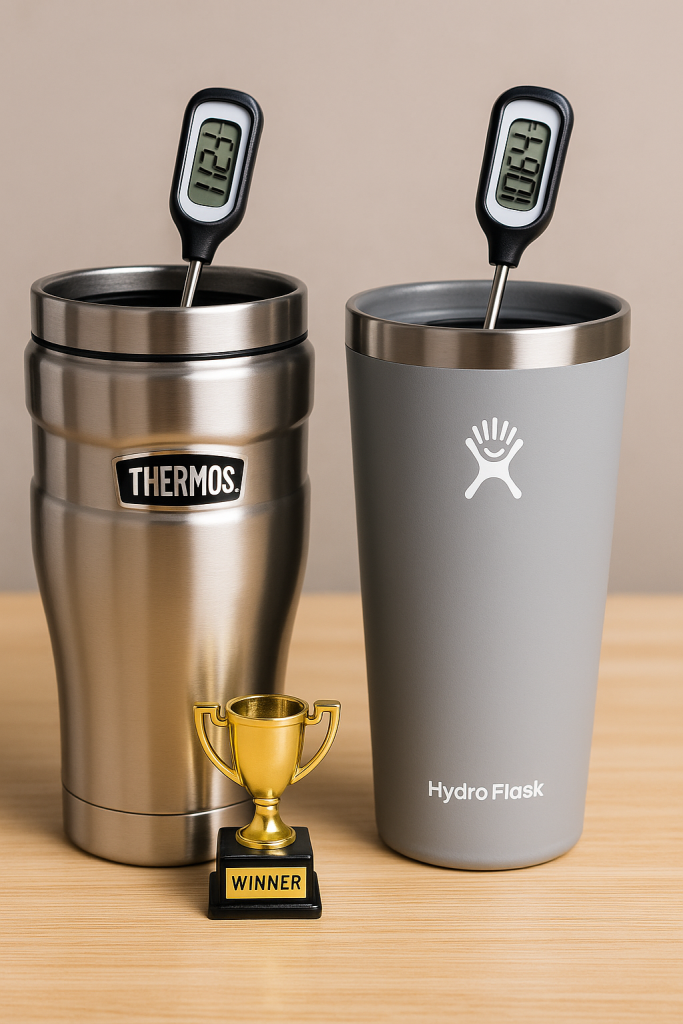
Do Tumblers Really Keep Ice All Day? (Tested)

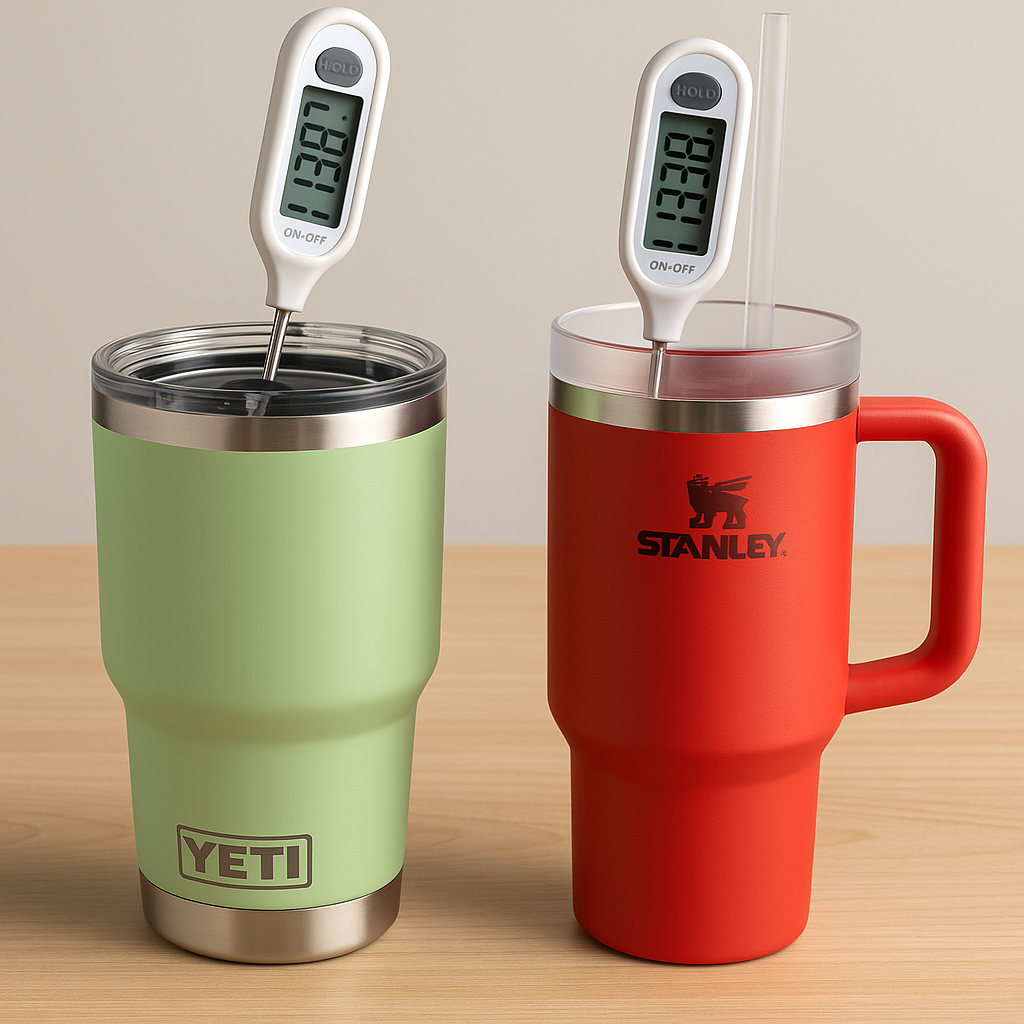
Yes—high-quality insulated tumblers can maintain ice for up to 24–48 hours, depending on the brand, build, and environmental conditions. We tested a few popular models to verify manufacturer claims:

Real-World Results:

Factors that affect performance:

  • Size and wall thickness: Larger tumblers tend to insulate better.
  • Lid seal: A tight-fitting lid keeps cold air trapped longer.
  • Starting temperature: Pre-chilling your tumbler and using larger ice cubes will help maximize retention.

While most tumblers won’t keep drinks cold indefinitely, top-tier brands consistently deliver all-day ice retention under real-life usage.


Proper care, consistent cleaning, and smart use of your tumbler not only ensure peak performance but also enhance flavor and hygiene. With a little routine maintenance, your insulated tumbler will continue to deliver piping hot coffee and frosty cold water wherever life takes you.

Head back to the Complete Guide to Insulated Tumblers

Categories
Drinkware

Best Insulated Tumbler: Hydro Flask vs. Thermos: Ultimate Showdown

When it comes to drinkware that keeps your beverages at the perfect temperature, two brands consistently rise to the top: Hydro Flask and Thermos. Known for their exceptional insulation performance and durable construction, these brands have earned loyal followings. But when it comes down to selecting the best insulated tumbler, how do they really compare?

In this guide, we’ll break down each brand’s standout tumbler, evaluating features like lid design, materials, coatings, insulation performance, and accessories. Whether you’re a coffee enthusiast or a cold brew fan, this detailed comparison will help you choose the best fit for your needs.

Disclosure: As an Amazon Associate I earn from qualifying purchases. This post may contain affiliate links.

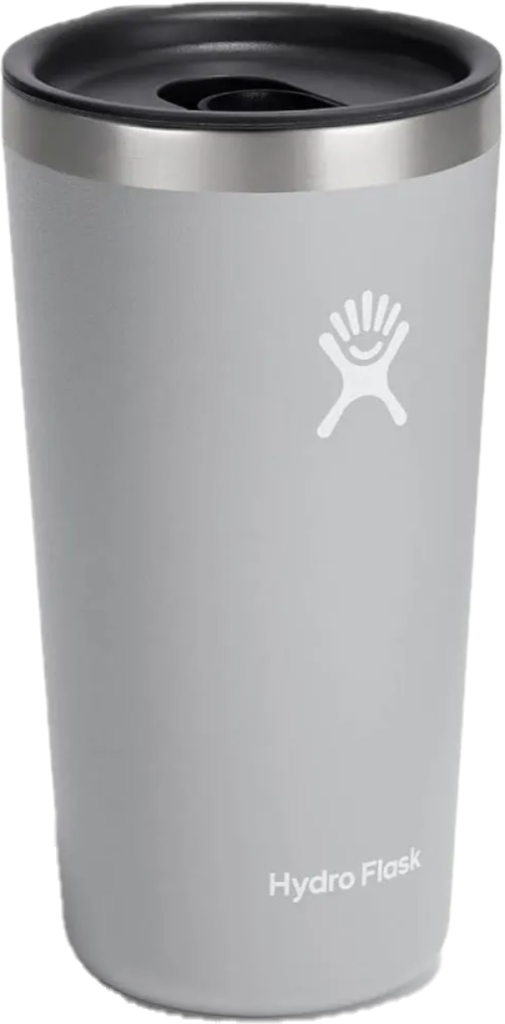
Hydro Flask All Around Tumbler (20 oz)

Amazon Rating: 4.8 out of 5 stars (over 5,000 reviews)
Price: $29.95
Link: Hydro Flask All Around Tumbler 20 oz

Description:
The Hydro Flask All Around Tumbler is designed for optimal temperature retention and one-handed comfort. Crafted from 18/8 pro-grade stainless steel, this 20-ounce tumbler features the brand’s signature TempShield double-wall vacuum insulation. Drinks stay cold for up to 24 hours and hot for up to 6 hours. The Color Last powder coat finish is scratch-resistant and stays vibrant through regular use.

Features & Construction:

  • Pro-grade 18/8 stainless steel
  • TempShield insulation technology
  • Color Last powder coat (sweat-free & chip-resistant)
  • BPA-Free & Phthalate-Free materials

Lid Material and Design:

  • Press-in lid with Honeycomb insulation
  • Slide opening for easy sipping
  • Splash-resistant but not leakproof

Color Options:

  • Multiple vibrant shades: Pacific, Snapper, Black, White, Indigo, etc.

Accessories:

  • Reusable straws
  • Replacement lids
  • Bottle brushes and boots

Pros:

  • Excellent cold retention
  • Lightweight and comfortable to hold
  • Stylish, durable finish

Cons:

  • Smaller capacity than competitors
  • Lid isn’t leakproof

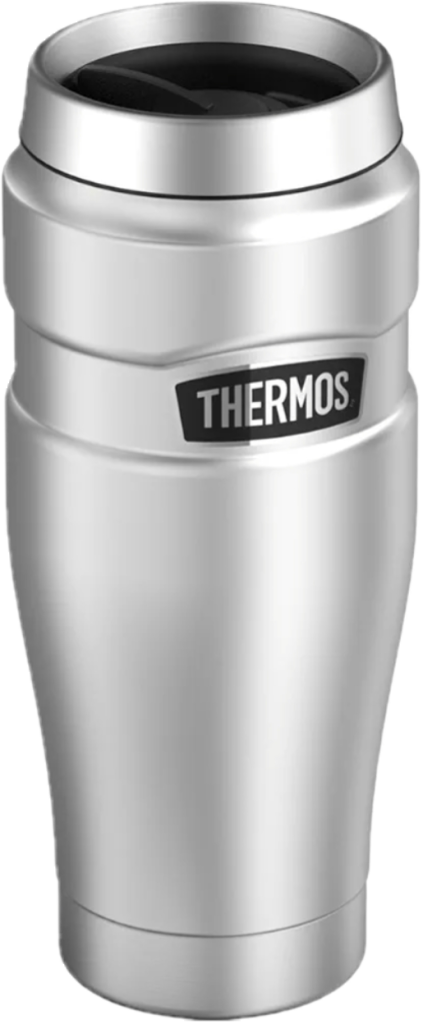
Thermos Stainless King Travel Tumbler (16 oz)

Amazon Rating: 4.7 out of 5 stars (over 20,000 reviews)
Price: $24.99
Link: Thermos Stainless King Travel Tumbler

Description:
The Thermos Stainless King is a powerhouse when it comes to heat retention. This 16-ounce tumbler is built with Thermos’ vacuum insulation technology, which can keep drinks hot for up to 7 hours or cold for up to 18 hours. Its sturdy build and integrated tea hook make it a favorite for hot beverage lovers on the move.

Features & Construction:

  • Durable 18/8 stainless steel interior and exterior
  • Vacuum insulation for max temperature control
  • Sweat-proof, cool-to-touch exterior
  • Built-in tea hook for tea bags or infusers

Lid Material and Design:

  • Leak-proof twist-and-pour lid
  • Sip opening with sliding closure
  • BPA-free plastic

Color Options:

  • Matte Steel, Midnight Blue, Cranberry, Matte Black

Accessories:

  • Replacement lids
  • Insulated lunch bags (compatible products)

Pros:

  • Exceptional heat retention
  • Fully leak-proof lid
  • Sturdy, commuter-friendly design

Cons:

  • Smaller capacity
  • Slightly heavier

Temperature Retention Comparison

BrandModelCold RetentionHot Retention
Hydro FlaskAll Around Tumbler (20 oz)24 hours6 hours
ThermosStainless King (16 oz)18 hours7 hours

What Makes the Best Insulated Tumbler?

Material Quality and Construction

The best insulated tumblers are crafted from 18/8 food-grade stainless steel for durability, safety, and resistance to odors or stains. Both Hydro Flask and Thermos use high-grade materials in their designs, ensuring a long life and consistent performance even after years of use. A high-quality powder or paint coating not only looks good but protects the tumbler from scratches and dents.

Lid Design and Functionality

Lid design can significantly impact your experience. Hydro Flask’s press-in lid is splash-resistant and easy to sip from but isn’t leakproof. In contrast, Thermos offers a completely leakproof lid with a twist-and-pour design, making it the better choice for those who want to toss their tumbler in a bag. Consider how you plan to use your tumbler—commuting, hiking, or working from home—and choose accordingly.

Insulation Performance

Insulation performance is critical. Hydro Flask uses TempShield technology for double-wall vacuum insulation, while Thermos has perfected its own insulation method over decades. While Hydro Flask excels in cold retention, Thermos slightly outperforms it in keeping drinks hot—ideal for tea and coffee drinkers.

Comfort, Portability, and Capacity

Comfort and size matter for daily use. Hydro Flask tumblers are lightweight and sleek, while Thermos tumblers offer a more rugged feel. Though Thermos’ Stainless King is smaller, its leakproof lid and tea hook add unique commuter-friendly features. Hydro Flask offers a more comfortable grip and brighter color options.


Conclusion

Both Hydro Flask and Thermos produce outstanding insulated tumblers, each excelling in different areas. If cold drink retention and modern design are your priorities, the Hydro Flask All Around Tumbler is an excellent choice. However, if you’re a hot beverage fan seeking maximum heat retention and leakproof reliability, the Thermos Stainless King is hard to beat.

Ultimately, the best insulated tumbler comes down to your preferences for temperature retention, lid design, and overall lifestyle. Both are fantastic investments in hydration and beverage enjoyment on the go.

Head back to the Insulated Tumbler Comparison Guides

Categories
Drinkware

Yeti vs Stanley Tumblers: We Tested Both. Here’s the Truth (2026)

When it comes to premium insulated tumblers, two names dominate the conversation: Stanley and Yeti. These brands are known for their high-performance drinkware that excels at keeping beverages at the perfect temperature for hours. Whether you’re sipping hot coffee on a cold morning or enjoying iced tea during a summer hike, the right tumbler makes all the difference.

In this comprehensive comparison, we’ll take an in-depth look at the most popular models from Stanley and Yeti, evaluating construction, lid design, insulation performance, and more to help you decide which brand offers the best insulated tumbler for your needs.

Disclosure: As an Amazon Associate I earn from qualifying purchases. This post may contain affiliate links.

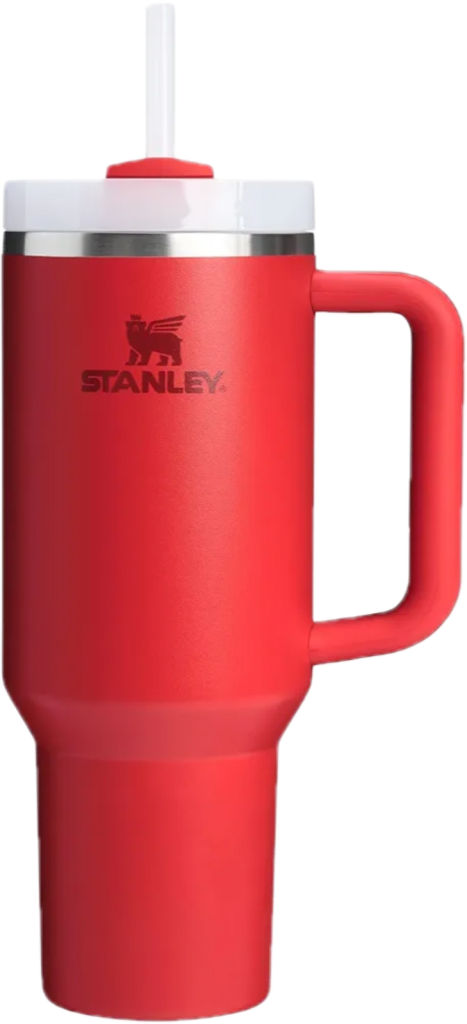
Stanley Quencher H2.0 Flowstate Tumbler (40 oz)

Amazon Rating: 4.8 out of 5 stars (over 70,000 reviews)
Price: $45.00
Link: Stanley Quencher H2.0 Flowstate Tumbler

Description:
The Stanley Quencher H2.0 Flowstate Tumbler is a cult favorite, especially among those looking for hydration on the go. With its 40-ounce capacity, it’s ideal for all-day use. The tumbler features double-wall vacuum insulation, which keeps drinks cold for up to 11 hours and iced for up to 2 days. Hot drinks stay warm for 7 hours. It’s crafted from 90% recycled stainless steel, contributing to sustainability without sacrificing performance.

Features & Construction:

  • Made of 90% recycled 18/8 stainless steel
  • Powder coat finish (for solid colors) or gloss coating (for select patterns)
  • BPA-free FlowState lid with rotating cover and three-position opening
  • Advanced vacuum insulation

Lid Material and Design:

  • FlowState lid includes a rotating cover with a straw opening, wide mouth opening, and full cover for leak resistance
  • BPA-free plastic and silicone seal
  • Designed to reduce spills and enhance sipping comfort

Color Options:

  • Available in dozens of colors: Rose Quartz, Cream, Fog, Charcoal, Frost, etc.

Accessories:

  • Replacement lids and straws
  • Silicone boot for protection
  • Cleaning brush sets

Pros:

  • Exceptional cold and iced retention
  • Eco-conscious construction
  • Comfortable ergonomic handle
  • Fits in most car cup holders

Cons:

  • Larger size may be cumbersome for some
  • Lid is not fully leakproof

Yeti Rambler Tumbler with Magslider Lid (30 oz)

Amazon Rating: 4.8 out of 5 stars (over 90,000 reviews)
Price: $38.00
Link: Yeti Rambler Tumbler 30 oz

Description:
The Yeti Rambler Tumbler is engineered for rugged durability and thermal performance. Its double-wall vacuum insulation keeps hot drinks hot and cold drinks cold for hours. Built with kitchen-grade stainless steel, it resists dents and drops, while the no-sweat exterior ensures a secure grip. The Magslider lid adds a touch of convenience and prevents splashes, though it isn’t completely leakproof.

Features & Construction:

  • Made of kitchen-grade 18/8 stainless steel
  • DuraCoat color finish (chip- and fade-resistant)
  • Magslider lid uses magnets to smoothly open/close
  • Double-wall vacuum insulation

Lid Material and Design:

  • Magslider lid made of BPA-free plastic
  • Slide mechanism uses magnets for easy operation
  • Not 100% leakproof, but helps prevent spills

Color Options:

  • Over 20 options including Seafoam, Black, White, Rescue Red, Navy

Accessories:

  • Handles, straw lids, extra magsliders
  • Bottle sling and holsters

Pros:

  • Extremely durable
  • Comfortable size and grip
  • Highly rated thermal retention
  • Magslider lid adds convenience

Cons:

  • Lid isn’t leakproof
  • Slightly more expensive per ounce than Stanley

Temperature Retention Comparison

BrandModelCold RetentionHot RetentionIced Retention
StanleyQuencher H2.0 (40 oz)11 hours7 hours2 days
YetiRambler Tumbler (30 oz)9+ hours6 hours1+ day

What Makes the Best Insulated Tumbler?

Quality Materials and Durability

Premium tumblers like Stanley and Yeti rely on 18/8 stainless steel to ensure long-term durability, rust resistance, and flavor neutrality. The best insulated tumbler is one that can withstand daily drops, bumps, and washes without degrading over time. Powder-coated or DuraCoat finishes also help retain aesthetics even with heavy use.

Lid Functionality and Leak Protection

Both Stanley and Yeti feature BPA-free plastic lids designed for everyday use. The Stanley FlowState lid stands out for its rotating cover with multiple modes (straw, sip, and closed), while Yeti’s Magslider lid uses a magnetic slider for splash resistance. For tea or coffee lovers, a lid that prevents spills and maintains heat is essential.

Ease of Cleaning and Maintenance

Wide mouth openings, detachable components, and dishwasher-safe designs make cleaning a breeze. A good insulated tumbler won’t trap flavors or develop odors over time. Stanley and Yeti tumblers both offer removable lids and simple structures that simplify cleaning, although accessories like straw brushes and silicone gaskets may require manual washing.

Portability and Comfort

From ergonomic handles to cupholder compatibility, ease of transport matters. Stanley offers a sturdy handle for its 40 oz tumbler while still fitting in most cup holders. Yeti’s slimmer, 30 oz profile is ideal for those who want something more compact but equally capable. The best insulated tumbler fits your lifestyle—whether that’s hiking, commuting, or lounging at home.


Conclusion

So which one is the best insulated tumbler? It depends on your priorities. Choose the Stanley Quencher H2.0 if you want maximum cold retention, a larger capacity, and sustainable materials. Go with the Yeti Rambler if rugged durability, color variety, and a magnetic splash-resistant lid top your list.

Both deliver outstanding performance, premium construction, and long-lasting insulation—making either a worthy investment for hot and cold beverage lovers alike.

Head back to the Insulated Tumbler Comparison Guides