If you’ve ever pulled cloudy glasses out of the dishwasher or felt like your skin never gets quite clean, hard water could be to blame. Hard water contains elevated levels of calcium and magnesium, which can wreak havoc on plumbing, appliances, and even your comfort. Many homeowners live with these issues without realizing that a water softener could be the simple solution.
Hard water affects more than just aesthetics—it can reduce the efficiency and lifespan of your water-using appliances, clog plumbing with scale buildup, and increase your energy bills over time. Not only that, but it impacts the effectiveness of soaps and detergents, leading to frustration in the laundry room, kitchen, and bathroom. If these problems sound familiar, it might be time to explore whether a water softener is the right solution for your household.
Disclosure: This article contains affiliate links. If you purchase through them, we may earn a small commission at no additional cost to you. This helps support our work and allows us to continue providing helpful product recommendations.
Common Signs You Might Need a Water Softener
1. White Scale or Soap Scum Buildup
Hard water leaves behind visible signs in the form of chalky, white scale or stubborn soap scum. This is most noticeable on shower doors, faucets, sinks, and coffee makers. Scale buildup can also clog showerheads and reduce the flow of water over time. If you’re constantly scrubbing your fixtures or using vinegar to remove deposits, that’s a red flag.
2. Dry Skin and Dull Hair
Minerals in hard water can strip away your skin’s natural oils, leaving it dry, itchy, and irritated. Similarly, hair washed in hard water can become flat, frizzy, or difficult to manage. Even the most luxurious shampoos and moisturizers struggle to compensate when hard water is the underlying cause.
3. Faded Laundry and Scratchy Towels
Laundry washed in hard water may feel stiff or scratchy, even after using fabric softener. Over time, hard water can break down the fibers in clothing and linens, fading bright colors and shortening the life of your fabrics. Whites may appear dingy, and you might find yourself replacing towels or sheets more often than you’d like.
4. Spotty or Cloudy Dishes
After running the dishwasher, do your glasses still look cloudy or streaked? Hard water is likely to blame. The minerals don’t rinse away properly and dry onto your dishes, making them look dirty even when they’re clean. This is especially noticeable on glassware and shiny silverware.
5. Low Water Pressure
Scale doesn’t just form on the outside of your fixtures—it can also build up inside your pipes. Over time, this reduces the internal diameter of plumbing lines, which lowers water pressure throughout your home. If your showers feel weak or faucets trickle instead of flow, hard water could be clogging your plumbing.
6. Shortened Appliance Lifespan
Your water heater, dishwasher, washing machine, and refrigerator’s water dispenser all suffer when hard water is present. Mineral deposits can clog lines, coat heating elements, and lead to premature wear. If you’re calling the repair technician more than you’d like, a water softener might save you money in the long run.
7. Soap Doesn’t Lather Well
Hard water prevents soap from creating a rich lather, which means you end up using more soap, shampoo, and detergent just to get the same results. This increases household expenses and can make showers feel less satisfying. You may even notice a film or residue left behind after washing.
How to Choose the Right Water Softener
Step 1: Test Your Water Hardness
The first step is knowing what you’re dealing with. Use a water hardness test kit (available at most hardware stores or online) to measure your water in grains per gallon (gpg) or parts per million (ppm). Municipal water suppliers may also list hardness levels on your water bill. Anything over 7 gpg is considered hard and may benefit from softening.
Step 2: Know Your Water Source
City water and well water have different challenges. City water is usually chlorinated and may have moderate hardness. Well water often has high mineral content and can include iron or sediment that requires pre-filtration. Understanding your water source helps determine whether you need a basic softener or one with extra filtration and iron removal capabilities.
Step 3: Size Your System Properly
A water softener’s capacity is measured in grains—the number of hardness grains it can remove before regenerating. To size your softener:
Multiply the number of people in your home by 75 gallons (average daily use per person).
Multiply that result by your water hardness in gpg. This gives you the daily grain capacity you need. A family of four with 10 gpg water will use about 3,000 grains per day, so a 32,000–40,000 grain system would be ideal.
Step 4: Decide Between Salt-Based vs. Salt-Free
Salt-Based Softeners: These systems use ion exchange to fully remove hardness minerals. They’re the gold standard for very hard water and provide the softest feel.
Salt-Free Softeners: These condition water by altering mineral structure to prevent scale, but they don’t remove hardness. They’re lower maintenance and eco-friendly, but less effective in very hard water environments.
Some modern systems come with digital meters, Bluetooth monitoring, or programmable settings for regeneration timing. These features can help conserve water and salt, simplify maintenance, and provide real-time data on your usage.
Final Thoughts
Hard water is more than just a nuisance—it can cost you in repairs, reduce your comfort, and cause recurring cleaning frustrations. If you’ve noticed any of the common symptoms like dry skin, cloudy dishes, or scale buildup, it’s a clear sign that a water softener could improve your home’s water quality.
By testing your water, identifying your needs, and sizing your system properly, you can choose a solution that brings long-term savings and peace of mind. Whether you opt for a powerful salt-based system or a maintenance-free salt-free model, the right softener will deliver cleaner plumbing, softer laundry, and better water every day.
Investing in the right system today can protect your home and improve your water experience for years to come.
If you’ve ever noticed crusty white buildup around your faucets, spotty dishes, or stiff laundry even after washing, you’re probably dealing with hard water. The culprit? Excess calcium and magnesium in your water supply. Water softeners help combat these problems, extending the life of your appliances, improving plumbing performance, and making your daily water use noticeably better. But not all water softeners work the same way, and understanding the key differences between salt-based and salt-free systems is essential before making a purchase.
Traditional salt-based softeners use ion exchange to physically remove hardness minerals from your water, offering the most complete softening solution available. On the other hand, salt-free softeners—also called conditioners—don’t remove minerals but instead neutralize them to prevent scale. Each option has its pros, cons, and ideal use cases. This guide breaks down their differences in performance, maintenance, installation, environmental impact, and more. Whether you’re shopping for your first system or considering an upgrade, this article will help you confidently choose the best softener for your home.
Disclosure: This article contains affiliate links. If you purchase through them, we may earn a small commission at no additional cost to you. This helps support our work and allows us to continue providing helpful product recommendations.
Quick Comparison
Feature
Salt-Based Softeners
Salt-Free Softeners
Hardness Removal
Completely removes hard minerals
Conditions water to prevent scale
Scale Prevention
Excellent
Good (varies by system)
Plumbing Protection
Excellent
Good to Excellent
Taste Impact
Slight saltiness (varies)
No taste impact
Maintenance
Requires salt refills, cleaning
Low maintenance, no salt needed
Eco-Friendliness
High water and salt waste
More environmentally friendly
Installation Cost
Moderate to high
Moderate
Ongoing Cost
Salt + occasional servicing
Virtually none
Best For
Very hard water, heavy scale
Mild/moderate hardness, eco users
Salt-Based Softeners: What You Need to Know
Salt-based water softeners use a tried-and-true process called ion exchange to effectively eliminate calcium and magnesium—two minerals responsible for hard water. Water passes through a resin tank filled with negatively charged beads that attract and hold onto these positively charged minerals. In exchange, the beads release sodium or potassium ions into the water, softening it completely. This process is highly efficient and ensures that hardness is actually removed from the water, not just treated temporarily.
These systems require a brine tank filled with salt pellets that regenerate the resin beads once they become saturated with minerals. This regeneration process occurs on a set schedule or demand basis, flushing away the built-up hardness and restoring the system’s performance. Salt-based softeners are ideal for homes with high levels of water hardness, especially where limescale buildup has damaged plumbing or appliances. They help improve soap efficiency, reduce staining, and leave your skin and hair feeling smoother. Though they demand more in terms of maintenance and space, the benefits to water quality and long-term plumbing health are substantial.. These systems are best for households with very hard water or those struggling with heavy limescale buildup.
Pros:
Fully removes hardness minerals
Excellent scale and spot prevention
Extends appliance and plumbing lifespan
Great for high-demand households
Cons:
Requires salt and periodic regeneration
Discharges brine, not eco-friendly
Larger and more expensive to install
Salt-Free Softeners: A Low-Maintenance Alternative
Salt-free water softeners, also known as water conditioners, take a different approach by treating hardness minerals instead of removing them. These systems use a process like Template Assisted Crystallization (TAC) to change the physical structure of calcium and magnesium ions into harmless, microscopic crystals. Once altered, these minerals can no longer bond to surfaces, significantly reducing limescale buildup on pipes, faucets, and appliances.
Because salt-free systems don’t require brine regeneration, they are far easier to maintain. There’s no need for salt refills, electricity, or drainage lines. This makes them a favorite for homeowners looking for a set-it-and-forget-it solution that’s also environmentally responsible. They’re typically smaller in footprint and easier to install, and they work quietly in the background. However, it’s important to note that they don’t lower the actual hardness level of the water. While they’re excellent at preventing scale, they won’t soften water in the traditional sense, and some spotting may still occur, especially on glassware or shiny fixtures. They’re best suited for households with moderate water hardness and eco-conscious priorities.. They typically use template-assisted crystallization (TAC) and require no salt, regeneration, or backflushing, making them ideal for low-maintenance, eco-conscious households.
Pros:
No salt, no electricity, no maintenance
Eco-friendly and compact
Safe for septic systems and landscaping
Preserves healthy minerals in water
Cons:
Doesn’t eliminate hardness
Not ideal for extremely hard water
Spotting may still occur
Which One Is Right for You?
Deciding between a salt-based or salt-free water softener starts with understanding your water conditions and your household needs. If your water is classified as very hard—typically above 10 grains per gallon (gpg)—a salt-based softener will provide the most noticeable improvement. These systems physically remove hardness, giving you soft water that enhances soap performance, prevents limescale, and feels better on your skin. They’re especially valuable in homes with aging plumbing, high water usage, or existing scale damage that needs to be reversed.
If your water is moderately hard (3–7 gpg) and you’re more interested in reducing maintenance and environmental impact, a salt-free softener may be the better fit. These systems are ideal for new homes, smaller households, or eco-conscious users who want to reduce salt discharge and water waste. They’re also great for households on a septic system or in regions where salt-based softeners are banned.
Cost, space, and personal values also come into play. Salt-based systems require more investment in both installation and upkeep but yield the strongest results. Salt-free systems may not offer traditional softening, but they provide consistent scale prevention without the hassle. Evaluate your water test results, lifestyle preferences, and long-term goals before deciding.
The Fleck 9100SXT is a powerful, dual-tank salt-based water softener designed for large households with high water usage and extreme hardness levels. It operates with alternating resin tanks, allowing one tank to regenerate while the other remains in service—providing a continuous flow of softened water 24/7. This is especially valuable in homes where water demand is high or where running out of soft water during regeneration is not an option.
The unit uses the trusted Fleck 9100SXT digital control head, which offers programmable settings, metered regeneration, and a user-friendly LCD interface for efficient operation. Its twin tank design ensures that water softening is uninterrupted, and the system is ideal for families, large homes, or properties with well water. It also minimizes salt and water usage through demand-initiated regeneration, reducing ongoing maintenance and operational costs.
Installation is more involved due to the dual tank setup, but for users needing maximum capacity and uninterrupted performance, it’s one of the best systems available.
Pros:
Continuous soft water with alternating tanks
Metered regeneration for salt and water efficiency
The Aquasana EQ-1000-AST-UV is a comprehensive salt-free system that not only conditions hard water using TAC but also filters chlorine, sediment, and other contaminants for cleaner, safer water throughout your home. The included UV filter adds an extra layer of protection against bacteria and viruses, making it a top-tier choice for homes on municipal or well water.
It offers up to 1,000,000 gallons of treatment capacity and is virtually maintenance-free after installation. Though it doesn’t soften water in the traditional sense, it delivers powerful scale prevention and multi-stage filtration in one sleek system.
Pros:
Combines water conditioning and whole-house filtration
Long-lasting system (up to 10 years)
UV filtration adds microbial protection
Zero salt, electricity, or wastewater
Cons:
Higher cost for complete system
May still leave spots on glassware
Final Thoughts
Salt-based and salt-free water softeners both deliver solutions for managing hard water, but they cater to different needs and priorities. Salt-based systems stand out for their comprehensive removal of hardness minerals, making them the gold standard in water softening. They’re ideal for households with very hard water, large families, or situations where scaling has already caused problems. These systems require more effort—regular salt replenishment and scheduled regeneration—but the payoff is truly soft water with all its comfort and cleaning benefits.
On the other hand, salt-free systems appeal to homeowners looking for convenience, sustainability, and easier upkeep. They offer excellent scale control without needing salt, electricity, or backflushing. These systems are well-suited for moderate hardness levels and environmentally conscious households. They’re also beneficial in areas where salt-based systems are restricted or where septic performance is a concern.
Ultimately, the best choice comes down to your water conditions, lifestyle, and what trade-offs you’re willing to make. For pure soft water performance, go with salt-based. For set-it-and-forget-it simplicity and environmental friendliness, salt-free has the edge. Either system can help you enjoy cleaner plumbing, more efficient appliances, and a better overall water experience throughout your home.
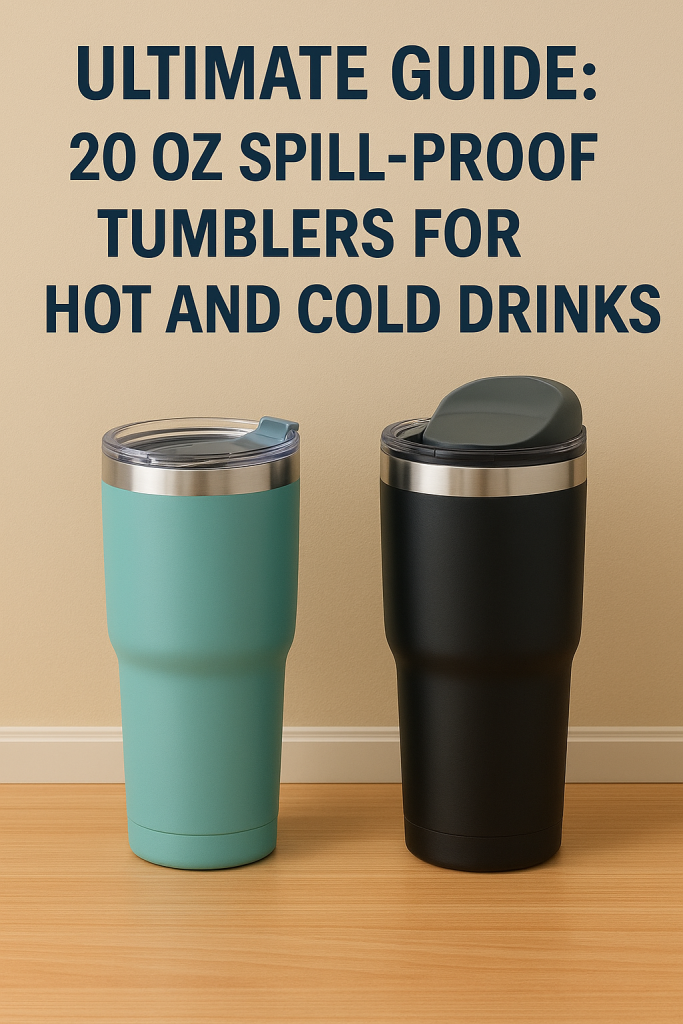
Looking for a spill-proof tumbler that won’t leak in your bag, your car, or on your desk? The 20 oz size is the sweet spot—large enough to hold plenty of coffee, tea, or ice water, but compact enough to fit in most cup holders. It’s the go-to size for people who want a balanced mix of capacity and portability without the bulk of a larger mug. These tumblers are ideal for commuting, working at your desk, road trips, or just relaxing at home.
In this guide, we’ve curated a list of the best 20 oz spill-proof tumblers available today. We focused on insulation performance, spill-resistance, ease of use, and overall build quality. These selections come from trusted brands and have proven themselves through thousands of daily-use situations, making them reliable companions for hot coffee or cold drinks alike.
Whether you’re hustling through your morning commute or sipping tea on your porch, these tumblers are built to go wherever you do—without the worry of leaks or temperature drops.
Disclosure: This article contains affiliate links. If you purchase through them, we may earn a small commission at no additional cost to you. This helps support our work and allows us to continue providing helpful product recommendations
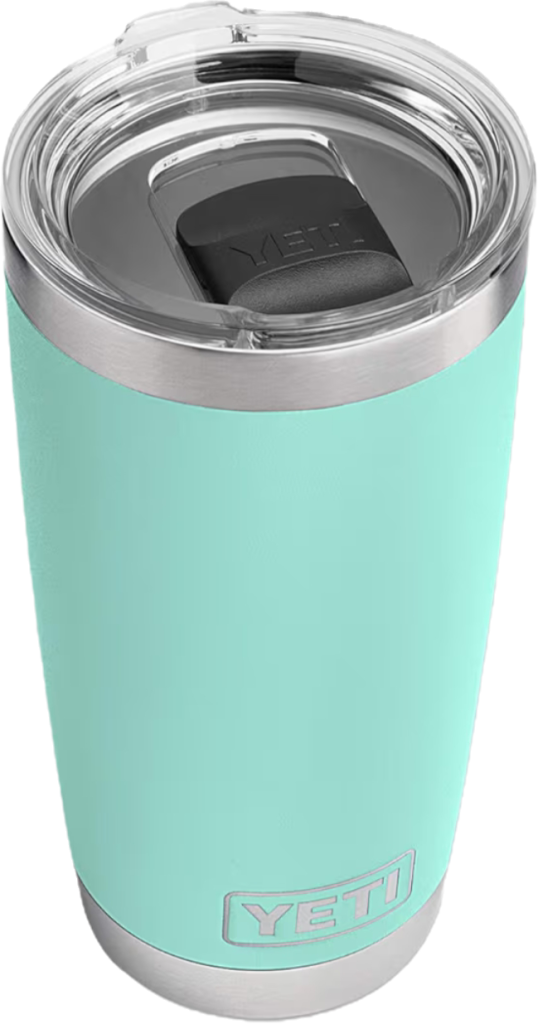
The Yeti Rambler 20 oz is the quintessential high-performance tumbler. Constructed with kitchen-grade stainless steel, it’s engineered to withstand the roughest conditions—making it a favorite among outdoor enthusiasts and professionals alike. The double-wall vacuum insulation locks in temperature, keeping drinks hot for over 4 hours and cold for well beyond 12. Its signature MagSlider lid adds convenience and splash resistance using a magnetic slider mechanism that opens and closes smoothly. Although not fully leakproof, it excels at minimizing messes in everyday use. The powder-coated finish ensures a solid grip and resists chips, scratches, and rust. This tumbler blends toughness with premium styling like no other.
The Simple Modern Classic 20 oz tumbler is a versatile, budget-friendly choice that doesn’t skimp on performance. It features durable stainless steel construction, double-wall vacuum insulation, and a powder-coated exterior that resists condensation and slipping. Each tumbler includes two lids: a clear flip lid and a straw lid, allowing you to tailor your drinking experience. It’s available in a vast selection of colors and patterns—perfect for gifting or matching your personal style. Despite the lower price tag, this tumbler holds its own in both function and form, making it a fantastic everyday option for students, commuters, or anyone on a budget.
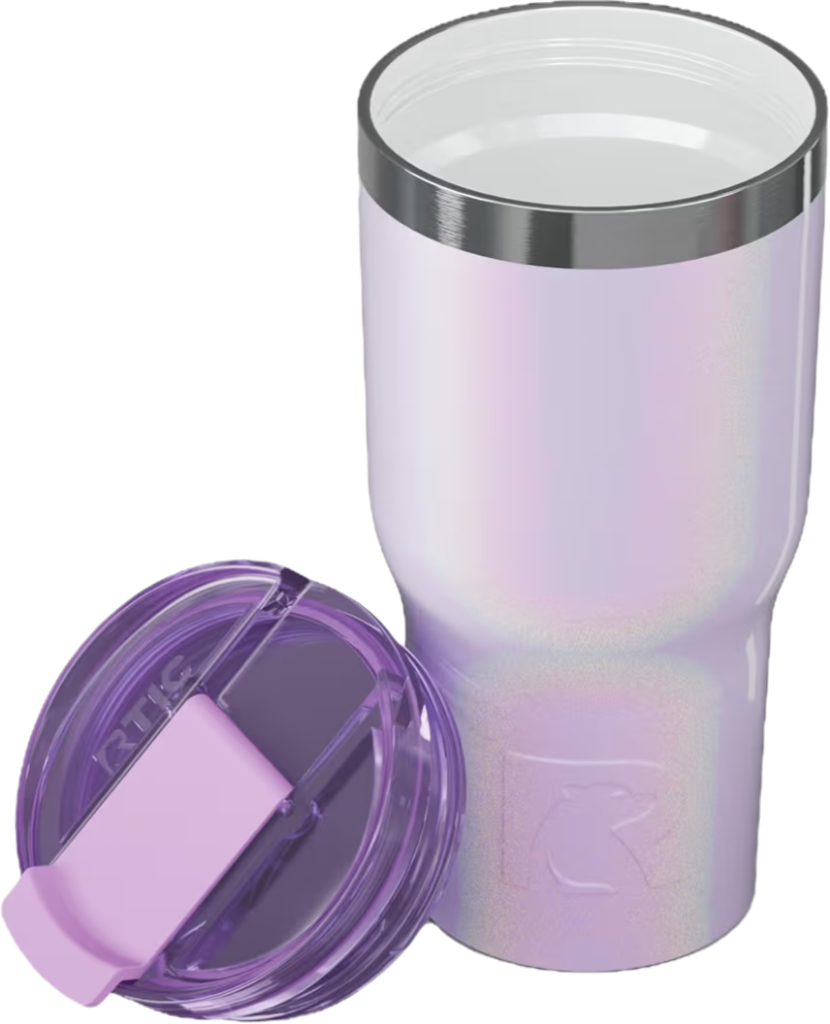
True to its name, the RTIC Essential 20 oz tumbler focuses on delivering the fundamentals: strong insulation, durability, and practicality. This no-frills model is great for people who want straightforward performance without extras. The stainless steel body feels solid in hand, while the flip-top lid offers a decent seal against splashes and minor bumps. It’s ideal for casual users who want reliable performance whether they’re sipping hot coffee on the way to work or cold water at the gym. A clean aesthetic and reliable insulation make it an easy grab-and-go favorite.
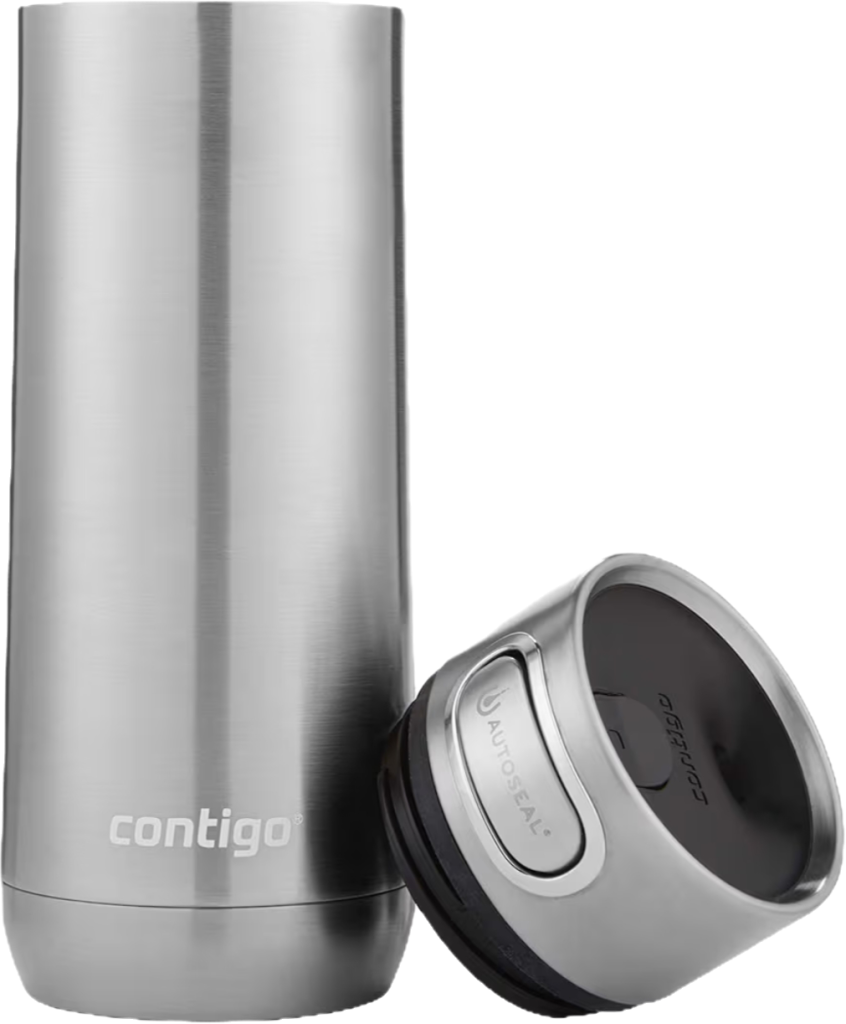
The Contigo Luxe AUTOSEAL tumbler is built with serious commuters in mind. With its sleek, stainless steel design and patented AUTOSEAL lid, it offers full spill protection with the press of a button. Simply hold the button to sip, and the lid seals automatically when released—making it perfect for one-handed use while driving or multitasking. It also features a safety lock to prevent accidental presses while stored in a bag. Its insulation performance is top-notch: hot drinks stay warm for up to 5 hours and cold drinks chilled for 12. Contigo backs it with thoughtful engineering that ensures peace of mind on the go.
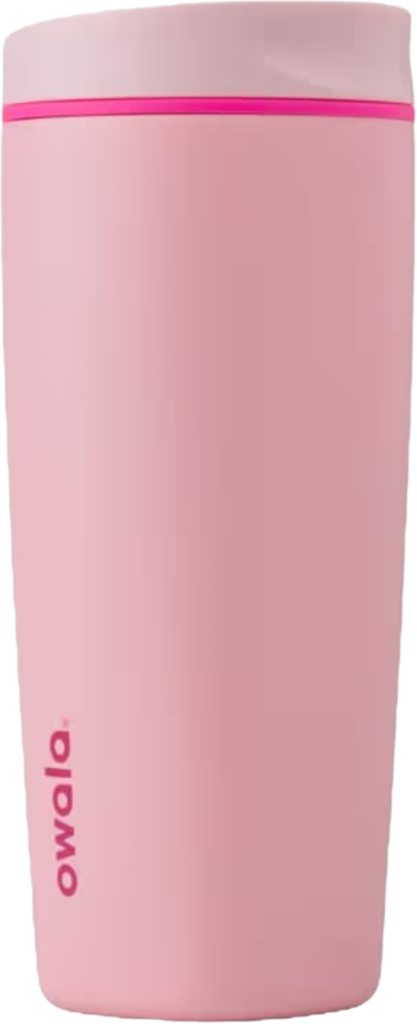
The Owala SmoothSip 20 oz tumbler combines fun, function, and flair. Its flip-top lid is easy to operate and seals securely, making it a low-fuss option for sipping coffee or smoothies. The tapered design fits nicely in hand and cup holders, while the wide mouth allows for easy cleaning and ice refills. Its vibrant color options and playful design make it stand out from a sea of generic tumblers. But don’t let the looks fool you—the SmoothSip offers strong insulation and practical portability. It’s perfect for anyone who wants something bold, bright, and effective.
Pros:
Unique flip-top lid is easy to use
Lightweight and cup-holder friendly
Eye-catching colors and design
Good insulation for hot or cold drinks
Cons:
Not leakproof when tipped
Lid may not suit everyone’s preference
What to Look for in a Spill-Proof 20 oz Tumbler
✔ Lid Type
The lid is the heart of any spill-proof tumbler. Snap-close lids are quick and convenient, while twist-lock lids provide more secure sealing—ideal for travel. Push-button and auto-seal lids offer one-handed operation and excellent leak prevention. If you toss your tumbler in a bag or commute with it in a car, prioritize lids designed for full closure rather than just splash resistance. Consider the drinking mechanism as well—some lids work better with hot beverages while others suit straws or cold drinks.
✔ Insulation
Premium tumblers rely on double-wall vacuum insulation to maintain drink temperatures. For hot coffee or tea, you’ll want at least 4–6 hours of heat retention, and 10–18 hours for keeping cold drinks chilled. Superior insulation means fewer refills and better consistency throughout your day. Also, look for sweat-proof exteriors—especially important if you plan to use the tumbler for ice-cold drinks during workouts or hot days.
✔ Size and Portability
Even though they all hold 20 oz, tumblers vary in shape and convenience. A tapered base helps ensure your tumbler fits in cup holders, and textured or powder-coated finishes improve grip. If you’re carrying it in a work bag or backpack, opt for a model with a secure lid and minimal width. Lightweight designs are ideal for extended use or travel, while heavier tumblers may feel more durable and stable on a desk.
Final Thoughts
A 20 oz spill-proof tumbler is the perfect solution for daily hydration—combining comfort, portability, and mess-free drinking. Whether you’re driving to work, taking a stroll, or sipping at your desk, a reliable tumbler keeps your drinks at the right temperature while preventing costly spills.
From stylish, feature-packed models to simple, rugged designs, there’s a tumbler on this list to match your routine. Each option has strengths in insulation, convenience, and durability. Pick the one that suits your lifestyle, whether you’re focused on design, lid innovation, or performance—and enjoy a cleaner, more consistent drinking experience all day long.
If you’re dealing with limescale buildup on faucets, soap scum in your shower, dry skin, or appliances that seem to fail too soon, you’re not alone. Hard water is a common problem in many areas—and it’s a silent destroyer of plumbing and performance. Choosing the best water softener can restore your water quality, protect your pipes, and dramatically improve daily life. But with so many systems on the market, how do you know which one is right for your home?
In this guide, we’ll walk you through the top-rated water softeners across different performance categories, from basic cabinet-style systems to advanced dual-tank setups and salt-free alternatives. We’ll also explain why certain features matter and who each type of system is best suited for. Whether you’re looking for budget-friendly simplicity or heavy-duty performance, you’ll find your match below.
Disclosure: This article contains affiliate links. If you purchase through them, we may earn a small commission at no additional cost to you. This helps support our work and allows us to continue providing helpful product recommendations.
Why You Need a Water Softener for Hard Water
Hard water contains elevated levels of calcium and magnesium. Over time, this causes mineral deposits in pipes and appliances, reduces soap lathering, and leaves buildup on dishes and fixtures. A water softener removes or neutralizes these minerals, improving everything from cleaning results to appliance efficiency. The best water softeners make a noticeable difference in water feel, taste, and system longevity.
Hard water can also affect your home’s energy efficiency and increase utility bills. As mineral scale builds up inside water heaters, it forces them to work harder to heat the same amount of water, using more energy in the process. Showerheads and faucet aerators can clog with scale over time, reducing water pressure and increasing maintenance needs. Installing a best water softener not only improves water quality but can also lower long-term maintenance costs and energy consumption across your household appliances.
How to Size a Water Softener
Before you choose a water softener, it’s important to understand how these systems are sized. The most critical factor is your water’s hardness level, which is measured in grains per gallon (GPG). To determine this, you’ll need to perform a water test—either using a home test kit or by sending a sample to a lab. Most municipalities also publish water hardness data online.
Once you know your water hardness, multiply it by the number of people in your household and then by the average number of gallons each person uses per day (typically 75 gallons). This gives you your total daily grain removal requirement. Multiply that by 7 to estimate your weekly requirement, which determines the correct grain capacity for your softener. For example, if your water is 10 GPG and you have a family of 4, your total weekly grain requirement is approximately 21,000 grains.
Many of the best water softeners offer adjustable settings for regeneration cycles based on your specific usage and hardness level. These programmable or metered softeners are more efficient than manual models, which regenerate on a fixed schedule regardless of need. Some entry-level models are not adjustable and rely on preset cycles, which can waste water and salt if not closely matched to your home’s actual needs. Each product below will note whether it includes adjustable settings, so you can make an informed decision.
Types of Water Softeners: From Basic to Advanced
1. Basic Cabinet-Style Salt-Based Softeners
Cabinet-style water softeners combine the resin tank and brine tank into a single, compact unit. This all-in-one design makes them ideal for homes with limited space, such as utility closets or basements with tight footprints. These softeners are generally easier to install and maintain and often feature digital displays for simple control. While they may lack the raw capacity of larger dual-tank systems, cabinet units are more than sufficient for small to mid-sized households with moderate water hardness. They’re an excellent choice for first-time buyers looking for reliable performance in an efficient package. Ideal for smaller homes or moderate water hardness, these all-in-one systems are budget-friendly and compact.
🏆 Kenmore Elite 520 Hybrid Water Softener + Filter System
The Kenmore Elite 520 is a hybrid system that combines a 31,000 grain water softener with a whole-house carbon filtration system, offering dual protection against hardness and common contaminants. It’s designed for households of up to five people and is ideal for those looking to reduce both scale and chlorine without needing separate systems. Its compact cabinet design makes it suitable for tight spaces, while its built-in LCD screen provides easy control over regeneration cycles and filter monitoring.
One of the standout features of the Kenmore Elite 520 is its IntelliSoft® technology, which adjusts regeneration cycles based on your home’s actual water usage. This leads to major savings on both salt and water. The carbon filtration component reduces chlorine taste and odor, helping you achieve fresher water throughout your home. It’s a smart pick for homeowners seeking the best water softener with filtration benefits built-in.
Pros:
Dual-purpose system softens and filters water
IntelliSoft® technology adjusts to water usage
Compact all-in-one cabinet design
Reduces chlorine taste and odor throughout home
Cons:
Slightly smaller grain capacity than other units in its class
The EcoPure EP31 is a compact and affordable water softener built for small to medium-sized households with moderate water hardness. With a 31,000 grain capacity, it effectively removes calcium and magnesium, helping to prevent scale buildup and extend the life of plumbing and appliances. The system features demand-initiated regeneration to conserve both salt and water, making it a cost-efficient choice for everyday use.
This model is designed for quick installation and includes a bypass valve and simple control panel for easy programming. While it doesn’t include app-based controls or advanced customization, it delivers dependable performance with minimal fuss. For homeowners wanting an entry-level, salt-based softener that simply works, the EP31 is one of the best water softeners in its class.
2. High-Capacity or Dual-Tank Salt-Based Softeners
High-capacity water softeners are designed for larger homes with greater water demand or very hard water, especially from well sources. These systems often feature separate resin and brine tanks, allowing for larger grain capacities and more efficient regeneration. Dual-tank models can even provide continuous soft water supply, as one tank regenerates while the other remains in service. These systems are typically programmable, offering fine-tuned control over regeneration timing, salt usage, and flow rates. While they require more space and a more complex installation, they’re the go-to solution for homes needing serious water-softening power. Best for large homes, high water usage, or well water with extreme hardness.
🏆 Fleck 9100SXT Dual Tank 80,000 Grain Water Softener
The Fleck 9100SXT is a heavy-duty, dual-tank water softener designed for large households or homes with extremely hard well water. With a combined capacity of 80,000 grains, this high-output system uses twin alternating tanks to provide continuous soft water, even during regeneration. Its SXT digital metered control valve offers programmable settings for tailored performance and salt efficiency, ensuring the unit regenerates only when necessary.
Constructed with commercial-grade resin and corrosion-resistant materials, the 9100SXT is built for longevity and consistent flow rate. It’s particularly well-suited for households with high daily water usage or demanding water conditions. While it requires more installation space and expertise, it’s one of the best water softeners available for whole-house, uninterrupted performance.
Pros:
Dual-tank system ensures continuous soft water whereas a single-tank system will not provide soft water during the regeneration cycle (which occurs overnight)
Large 80,000 grain capacity for high-demand households
The Iron Pro 2 from AFWFilters is a dual-purpose powerhouse that combines a high-capacity softener with an iron filter—perfect for well water that’s both hard and rich in iron or manganese. With a grain capacity of 64,000, this system can handle large households and high water usage with ease. It includes a digital Fleck 5600SXT controller for custom programming and demand-initiated regeneration.
In addition to softening, the Iron Pro 2 removes up to 6–8 ppm of iron, eliminating rust stains, metallic odors, and orange water. It’s especially beneficial in areas with tough well water conditions. Although it takes more space and effort to install, the Iron Pro 2 is among the best water softeners for well water users who want an all-in-one treatment system. Pros:
Softens water and removes iron in one system
Digital Fleck control head with adjustable settings
Great for rural homes with heavy well water
High grain capacity and flow rate
Cons:
Larger size requires more installation space
Higher upfront cost compared to standard softeners
Salt-free water conditioners don’t remove hardness minerals but rather alter their structure to prevent them from adhering to plumbing and surfaces. They are ideal for households concerned about sodium intake or where traditional softeners are not practical due to environmental or maintenance limitations. These systems often combine conditioning media with filtration to reduce scale and improve water clarity and taste. With no need for salt refills or drainage lines, they are virtually maintenance-free and eco-friendly. They’re best suited for homes with low to moderate hardness where full softening isn’t absolutely necessary. Great for households looking to reduce scale without using salt or needing frequent maintenance.
The Aquasana EQ-1000-AST is more than just a salt-free water conditioner—it’s a full-spectrum filtration and scale control system. Designed for whole-house protection, it includes carbon filtration, scale control media, and sediment pre-filtering. The system is capable of lasting up to 10 years or 1,000,000 gallons before needing major replacement, making it one of the longest-lasting units in its class.
While it doesn’t remove hardness minerals, it alters them so they don’t adhere to pipes and surfaces. It’s a great fit for homes where traditional softening isn’t practical due to sodium restrictions or maintenance concerns. As one of the best water softener alternatives, it delivers scale prevention, chlorine reduction, and improved taste without salt or electricity. Pros:
The AO Smith Salt-Free Water Descaler is a whole-house system designed to reduce scale buildup without the need for salt, electricity, or backwashing. It uses a catalytic media to condition hardness minerals, preventing them from adhering to pipes and surfaces while maintaining beneficial mineral content in the water. This system is a great choice for homeowners looking for a low-maintenance, environmentally friendly alternative to traditional softeners.
It’s designed for easy installation and fits neatly into existing plumbing without requiring a drain line or power source. The AO Smith descaler works best in homes with low to moderately hard water and provides consistent performance with minimal upkeep. For those who want scale prevention without salt, the AO Smith unit is one of the best water softener alternatives currently available.
Final Thoughts: Choose the Best Water Softener for Your Needs
Hard water may seem like a minor inconvenience, but the damage it causes over time can be costly and frustrating. The right water softener doesn’t just prevent scale—it improves water taste, reduces soap use, extends appliance life, and enhances your overall quality of life. Whether you’re after a compact cabinet model for your small home or a powerful dual-tank system for heavy-duty well water, there’s a best water softener that fits your needs and budget.
Don’t wait for mineral buildup to ruin your water heater, clog your plumbing, or shorten the life of your dishwasher. Investing in one of the top-rated water softeners we’ve reviewed above will pay dividends in savings, comfort, and peace of mind. Take action today—pick the system that fits your home and enjoy softer, cleaner, more reliable water starting now.
Hard water can shorten appliance life, clog pipes, and leave unsightly residue on dishes and fixtures. Whether you’re new to water treatment or looking to upgrade your current system, this guide is your launchpad to cleaner, softer water. Explore our expert-written guides below to compare the best water softeners, understand different softener technologies, and pinpoint the ideal system for your needs.
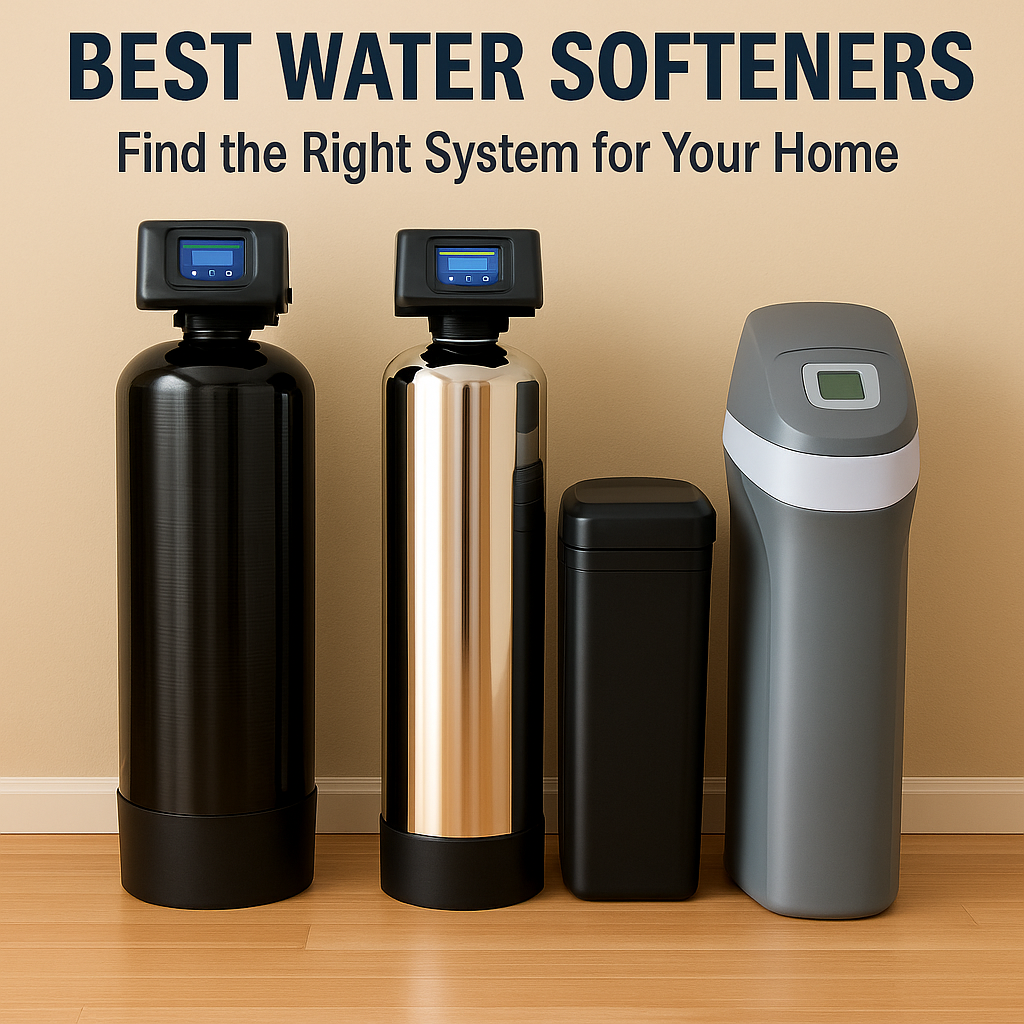
Discover the highest-rated water softeners for combating hard water issues. This guide features top models known for reducing scale, extending appliance lifespan, and improving water quality across your entire home. Whether you’re dealing with calcium-heavy well water or municipal supply, we spotlight the best water softeners with proven performance and reliability.
Not sure if you need a traditional salt-based water softener or a low-maintenance salt-free alternative? This in-depth comparison breaks down the pros, cons, and performance differences of each type. Learn how each water softener affects plumbing, scale buildup, water taste, and environmental impact—and make the right call for your household.
Are you noticing spots on your dishes, dry skin, or plumbing issues? This article offers a quick diagnostic checklist to identify common signs of hard water and walks you through how to choose the best water softener based on your home size, water source, and hardness level. Choosing the correct water softener can save money, improve comfort, and protect your plumbing system.
GE vs Whirlpool vs Fleck: Brand Comparison
Compare three of the most trusted names in the water softener market. We evaluate GE, Whirlpool, and Fleck across criteria like softening performance, ease of installation, durability, warranty coverage, and value for the money. This side-by-side breakdown helps you select the best water softener brand for your specific needs.
Explore these essential guides to take the guesswork out of choosing and maintaining the best water softening system for your home. With the right water softener in place, you’ll enjoy longer-lasting appliances, cleaner laundry, smoother skin, and fewer plumbing headaches. Our content is crafted to simplify your buying process, clarify confusing product specs, and help you confidently choose from the best water softeners on the market. Whether you’re shopping for your first softener or upgrading an outdated model, these resources ensure you make a smart investment in your home’s water quality.
Sediment filters are your home’s first line of defense against dirt, sand, silt, and rust particles that can clog pipes, damage appliances, and reduce the effectiveness of your water filtration system. These filters are especially crucial in well water systems or homes with older plumbing, where particulate contamination is common. Keeping your pre-filter well-maintained not only extends the life of downstream filters but also improves water flow and ensures your system is running at peak performance.
This guide highlights several popular and highly rated whole house sediment filters available on Amazon, along with maintenance tips to help you get the most from your investment.
Disclosure: As an Amazon Associate I earn from qualifying purchases. This post may contain affiliate links.
💡 Pro Tip: Install Pressure Gauges for Smarter Maintenance
For serious water quality monitoring, consider installing pressure gauges on both the inlet and outlet of your sediment filter. This setup lets you track pressure drop across the filter—a direct indicator of when it’s time for maintenance or replacement.
Why it matters: As sediment accumulates, it restricts water flow, causing a measurable pressure drop.
When to act: A pressure difference of 7–10 PSI or more usually signals the filter is clogged and needs attention.
Installation tips: Many sediment filters have threaded ports for easy gauge installation, or you can add T-fittings to your plumbing line.
This small upgrade can help you stay ahead of filter performance issues and ensure optimal water flow.
1. iSpring WSP-50 Reusable Spin Down Sediment Filter
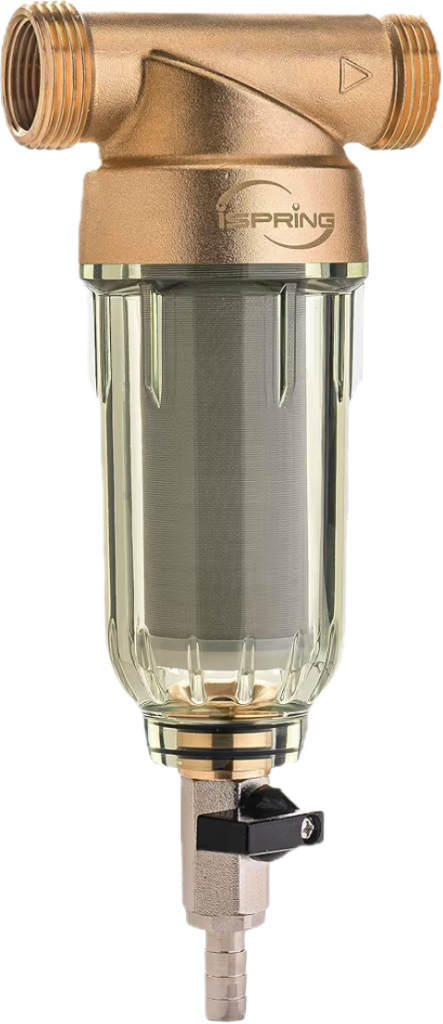
The iSpring WSP-50 is a reusable spin-down sediment filter that protects your plumbing and filtration system by capturing larger particles like sand, rust, and debris. This transparent filter housing allows for visual monitoring, and the filter is rated at 50 microns—ideal for homes with moderate sediment levels. The unit features a flush valve at the bottom that lets you purge trapped debris without removing the filter.
Made from durable brass and stainless steel mesh, the WSP-50 is built to last and can be cleaned repeatedly rather than replaced. It’s suitable for well water and city water alike, and is often used as a pre-filter to more sensitive filtration systems like carbon filters or RO units. Installation is straightforward and comes with standard ¾” MNPT fittings.
Pros:
Reusable and easy to flush
See-through housing for quick inspection
Durable brass construction
Ideal for well or city water
Cons:
Requires occasional manual flushing
May not trap very fine particles
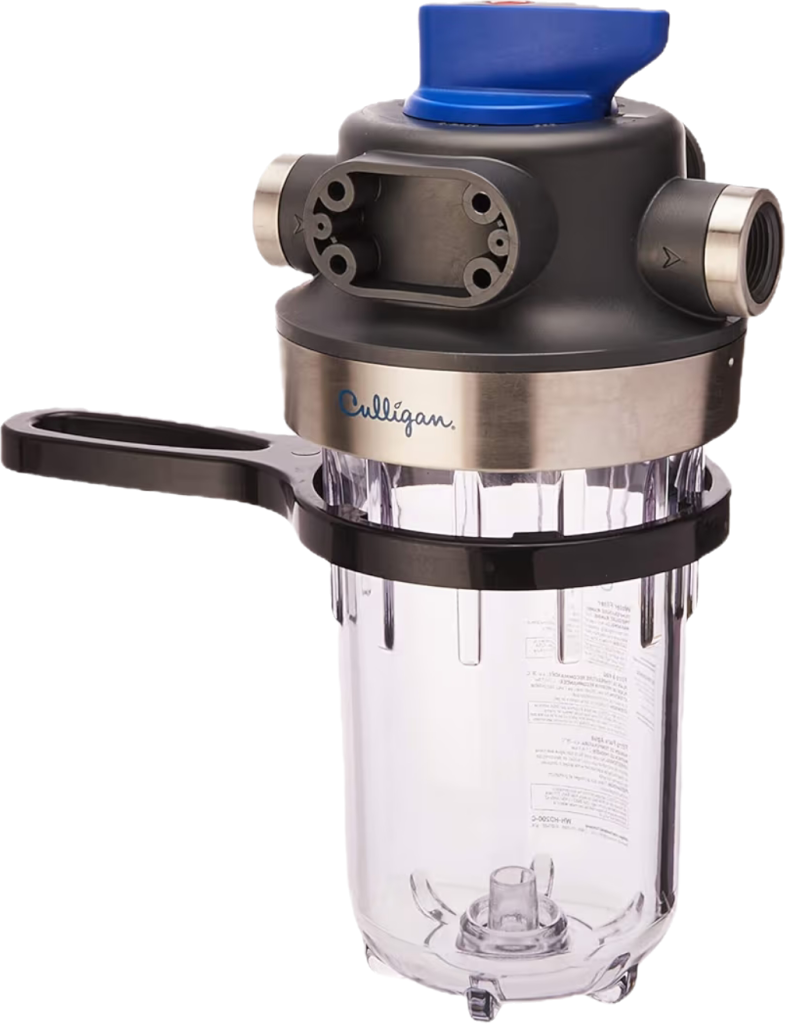
2. Culligan WH-HD200-C Heavy Duty Sediment Filter Housing
This heavy-duty housing from Culligan is designed for use with a variety of sediment cartridges and is ideal for high-flow homes. It’s compatible with Culligan’s R50-BBSA filter and many universal 10” x 4.5” cartridges. The WH-HD200-C includes a built-in bypass valve, pressure relief button, and mounting bracket for easy installation.
Built with rugged construction, this housing can handle tough water conditions and pressures up to 125 PSI. Its flexibility allows homeowners to choose from multiple micron-rated filters depending on their needs. Maintenance is straightforward with easy cartridge swaps every 3–6 months, depending on sediment load.
Pros:
Versatile and works with universal filters
Built-in bypass and pressure relief
Durable, heavy-duty design
Easy to maintain
Cons:
Filter cartridges sold separately
Larger footprint may require extra space
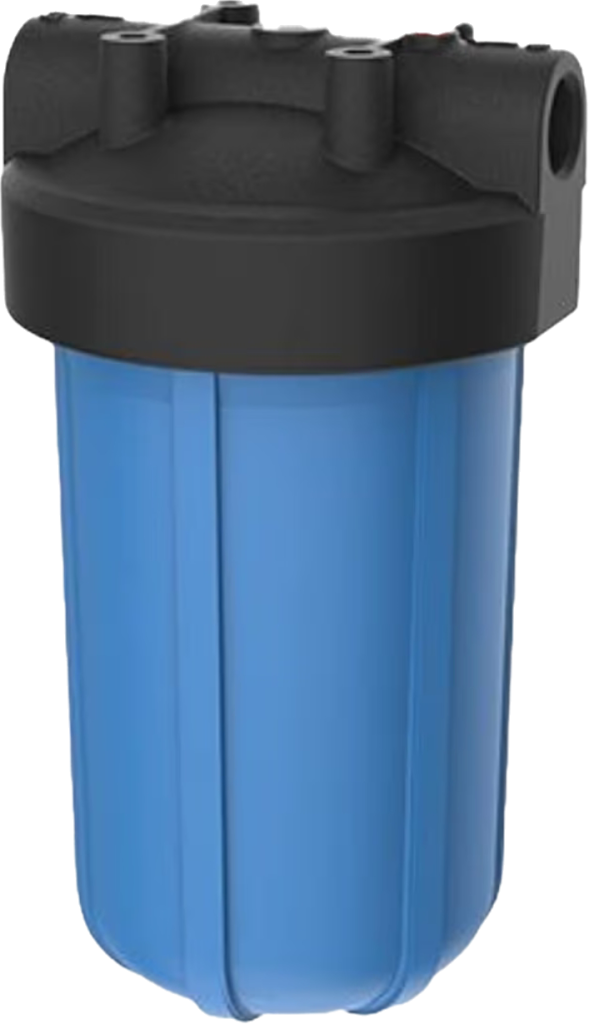
3. Pentair Pentek Big Blue Filter Housing with Sediment Cartridge
Pentair’s Big Blue system is a trusted option for whole house sediment filtration. The housing fits standard 10” x 4.5” cartridges and comes with a 50-micron sediment filter included. Known for high-flow applications, this unit is perfect for homes with large water demands.
The Big Blue’s polypropylene housing is resistant to chemicals and pressure, and its large cartridge capacity means fewer filter changes throughout the year. Compatible with a wide variety of sediment and specialty cartridges, this system offers long-term versatility and protection for your plumbing and appliances.
The SimPure spin-down filter is designed for easy maintenance and reusable performance. With a 40-micron stainless steel mesh screen, it efficiently captures larger particles before they enter your plumbing system. It’s ideal for households using well water or municipal sources with known sediment issues.
The built-in flush valve allows for quick sediment purging, and the transparent housing makes it easy to know when cleaning is required. SimPure offers various micron sizes for more customization. This filter is especially popular for homeowners looking for a maintenance-friendly pre-filter solution that doesn’t require frequent replacement.
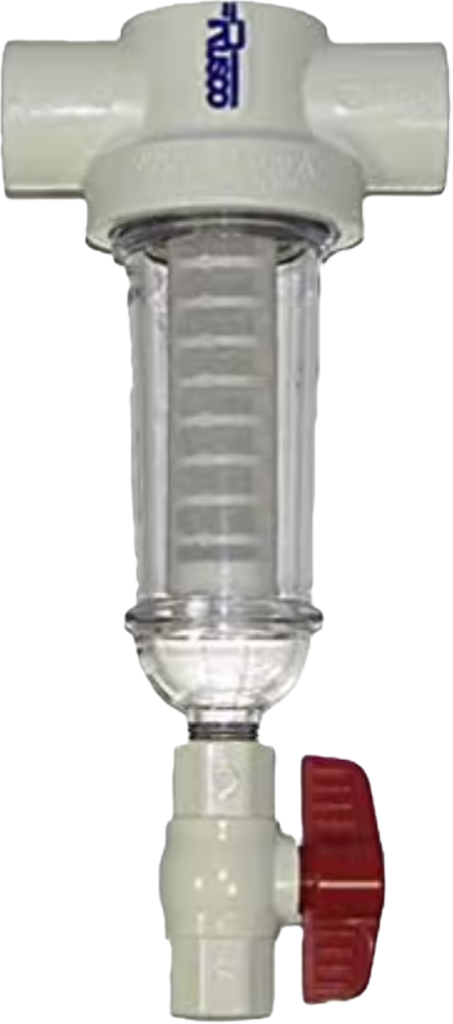
The Rusco spin-down filter is a commercial-grade option often used in residential systems needing extra durability. It features a clear cover for visibility and a 100 mesh polyester screen that traps sand and grit effectively. Designed for high-flow systems, the Rusco filter is easy to flush using the bottom ball valve.
Its tool-free disassembly makes it user-friendly, and the filter screen can be replaced or upgraded to finer micron ratings. This model is well-suited for larger homes or applications where high sediment load is common. It’s one of the most durable options available, backed by excellent reviews for its reliability.
Choosing the right sediment pre-filter is essential for extending the life of your main filtration system and protecting your home’s plumbing. Whether you prefer a reusable spin-down design like the iSpring or SimPure, or a heavy-duty cartridge system like Culligan or Pentair, your choice should reflect the specific sediment challenges in your water supply.
Regular maintenance—whether that means flushing or swapping out cartridges—ensures that your system performs optimally and delivers clean water throughout your home. A good pre-filter is a simple, low-cost investment with high returns in water quality and system longevity.
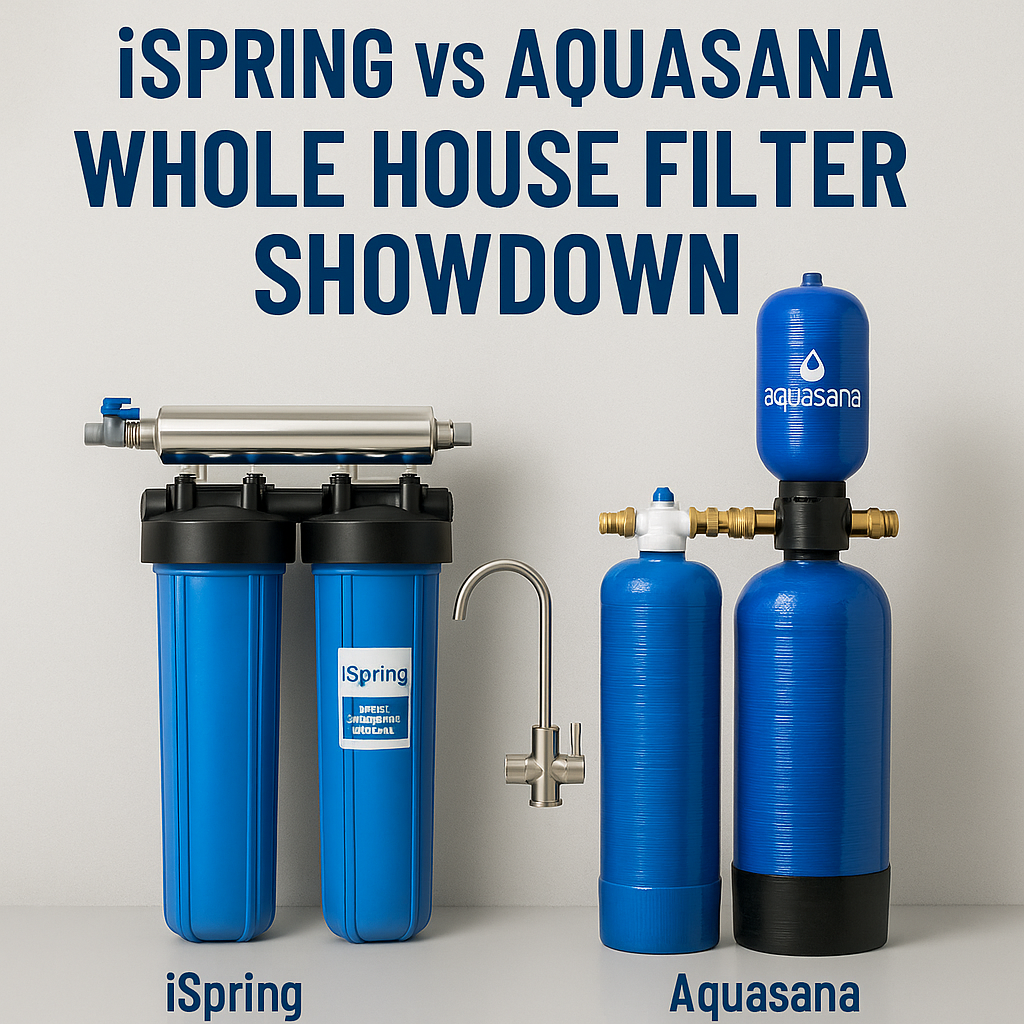
When it comes to protecting your entire home’s water supply, two of the biggest names on the market—iSpring and Aquasana—regularly top the list. Both brands are known for producing high-performance, whole-house filtration systems, but they cater to different needs, budgets, and household water concerns. In this comparison, we’ll break down two of their most popular models: the iSpring WGB32B 3-Stage Whole House Filtration System and the Aquasana Rhino EQ-1000. We’ll cover the differences in design, filtration power, installation, maintenance, and value to help you decide which one best suits your home.
Disclosure: As an Amazon Associate I earn from qualifying purchases. This post may contain affiliate links.
iSpring WGB32B 3-Stage Whole House Water Filtration System
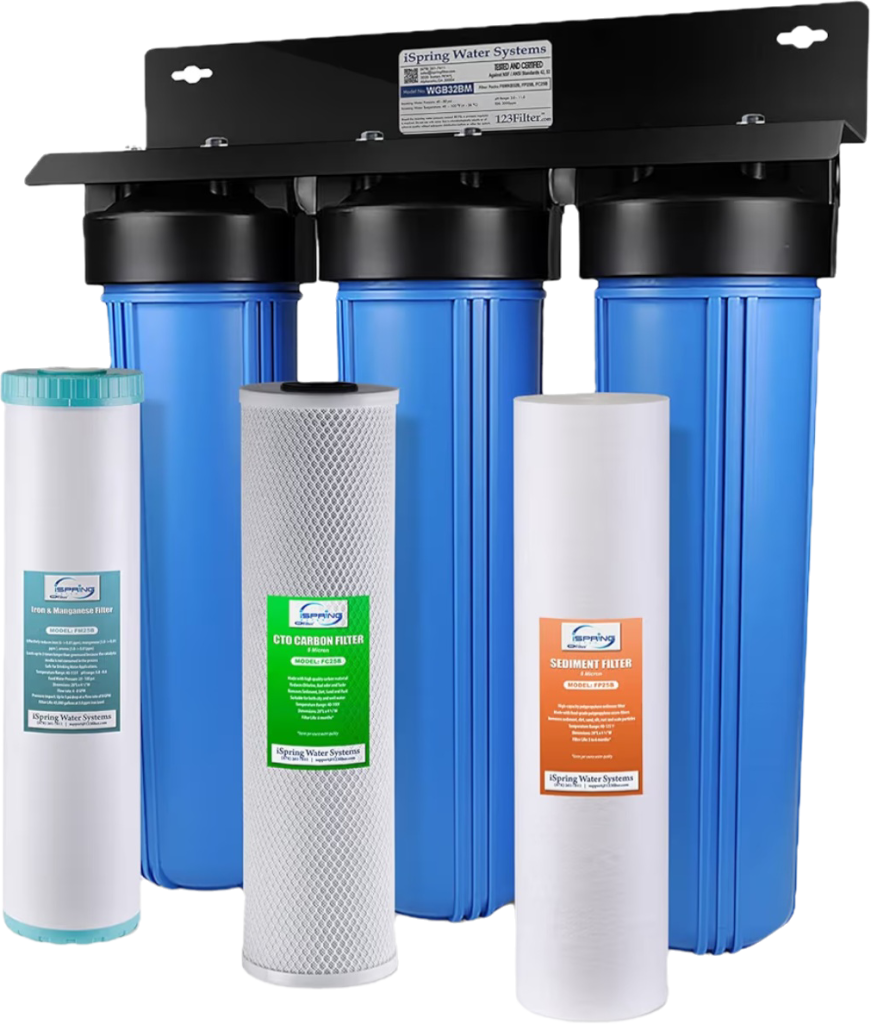
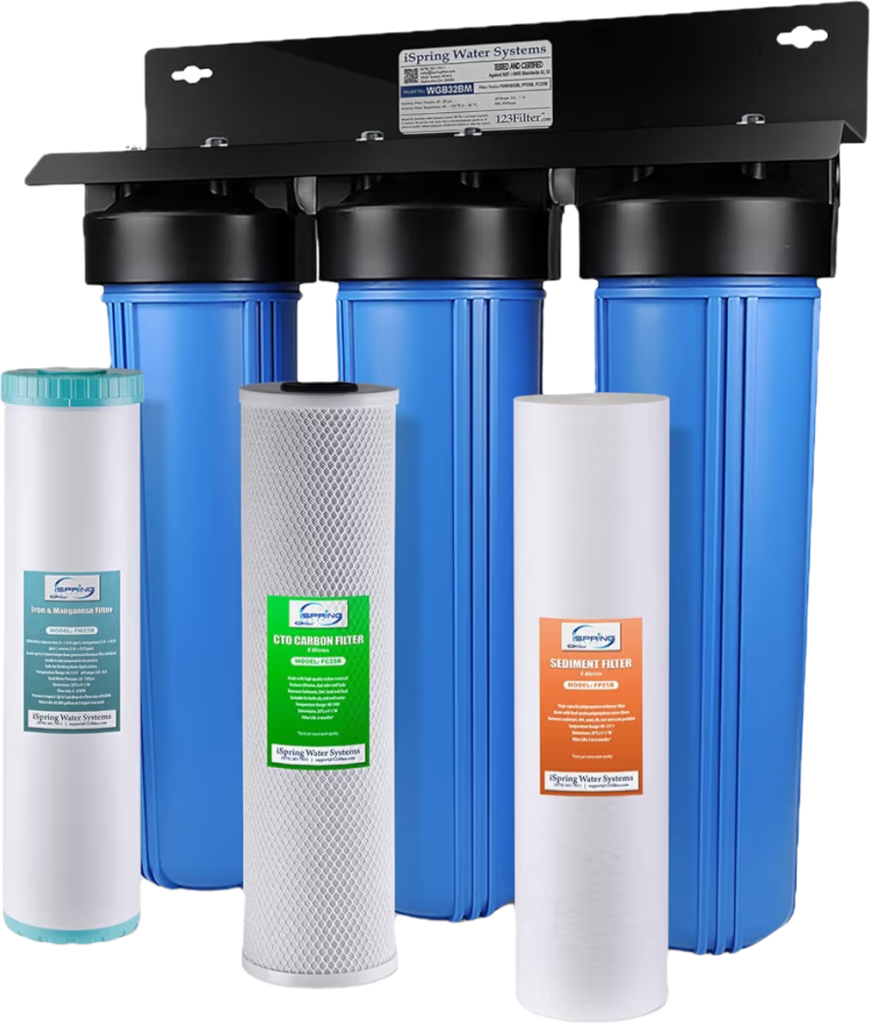
The iSpring WGB32B is a 3-stage whole house water filter system designed to remove chlorine, sediment, rust, pesticides, herbicides, industrial solvents, and VOCs from municipal water sources. It uses a layered approach starting with a polypropylene sediment filter (FP25B) to trap larger particles like sand and silt. This is followed by two CTO carbon block filters (FC15B) to tackle taste, odor, and chemical contaminants. Together, these filters allow for cleaner, better-tasting water at every faucet in your home.
One of the standout features of the iSpring system is its high flow rate of up to 15 gallons per minute, making it well-suited for medium to large households. The clear first-stage housing also lets you easily monitor sediment buildup. While it does not remove hardness minerals or bacteria, it excels at protecting plumbing and improving water quality. Installation is DIY-friendly with basic plumbing knowledge, and filter replacement is simple thanks to the standard-sized housings.
Pros:
High flow rate suitable for larger homes
Transparent first-stage housing for filter visibility
Affordable upfront cost
Easy to install and maintain
Excellent chemical and chlorine reduction
Cons:
Does not remove bacteria or viruses
No softening capability
Requires pre-treatment for well water
Aquasana Rhino EQ-1000 Whole House Water Filtration System
The Aquasana Rhino EQ-1000 is a high-capacity system built to deliver long-term performance for households that want advanced water filtration without frequent maintenance. This multi-stage unit uses a sediment pre-filter, a copper-zinc and mineral stone media (KDF), activated carbon, and a post-filter to remove chlorine, heavy metals, pesticides, VOCs, and industrial solvents. The result is cleaner, healthier water from every tap.
What sets the EQ-1000 apart is its longevity—it’s rated to filter 1,000,000 gallons or up to 10 years before needing a replacement. It’s also compatible with optional add-ons like a UV filter for bacteria and viruses or a salt-free conditioner to address scale without traditional softening. This system is best installed by a professional, given the complexity and the potential add-ons. Maintenance is infrequent, though the pre- and post-filters should be changed every 3-6 months.
Pros:
Long filter life (up to 10 years or 1 million gallons)
Optional UV and salt-free softening upgrades
High contaminant reduction rate
Multi-stage filtration system
Low maintenance
Cons:
Higher upfront cost
Installation is more complex
Pre/post filters require more frequent replacement
Both the iSpring WGB32B and the Aquasana EQ-1000 are excellent choices, but they cater to different needs. The iSpring is ideal for those who want clean municipal water at a lower cost, don’t mind replacing filters more often, and prefer a DIY setup. It’s a solid, affordable option with great performance for chlorine and chemical reduction.
The Aquasana Rhino EQ-1000, meanwhile, offers premium filtration with a significantly longer lifespan, more comprehensive protection, and optional enhancements. While it has a higher price tag and more complex installation, it delivers peace of mind for the long haul with fewer maintenance requirements.
Ultimately, your choice depends on your budget, water quality, and how hands-on you want to be with system upkeep. Either way, you’ll be taking a major step toward better water for your entire home.
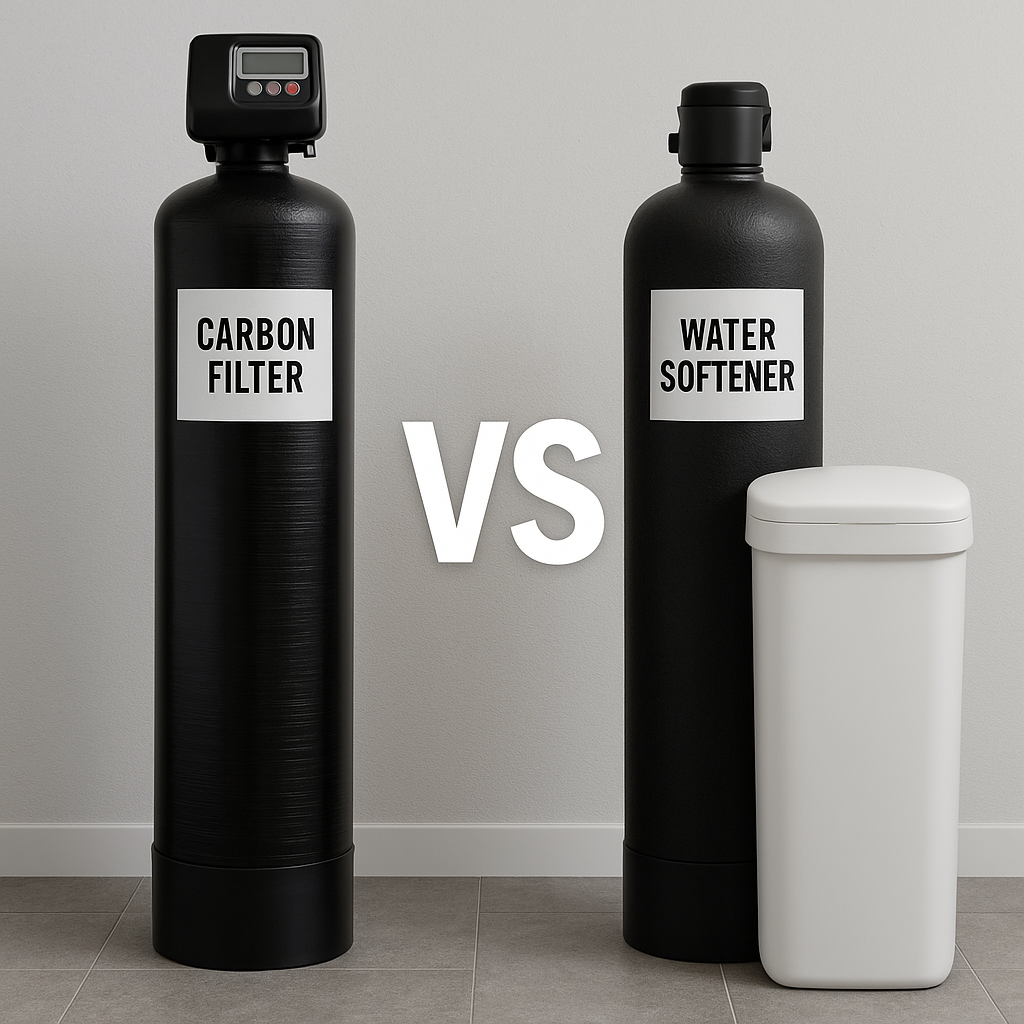
Choosing between a whole house water filter and a water softener can be confusing—especially since both systems improve water quality but in very different ways. If you’ve ever wondered why your dishes come out spotty even with filtered water or why your filtered water still tastes off, it may be because you’re using the wrong system for your specific problem. This article breaks down what each system does, how they work, and which is right for your household.
Whole house filters are designed to remove a broad spectrum of contaminants like chlorine, sediment, volatile organic compounds (VOCs), pesticides, and even heavy metals, depending on the model. These systems sit at the entry point of your home’s water supply and treat all the water before it flows to your fixtures. Their main goal is to improve the taste, odor, and safety of your water.
Water softeners, on the other hand, are targeted systems that specifically address hard water—water that’s high in calcium and magnesium. While hard water isn’t a health risk, it can wreak havoc on plumbing, appliances, and anything it touches. A water softener typically uses an ion exchange process to remove these minerals, replacing them with sodium or potassium ions. The result is water that prevents scale buildup, extends the life of appliances, and improves soap effectiveness.
Disclosure: As an Amazon Associate I earn from qualifying purchases. This post may contain affiliate links.
What Does a Whole House Water Filter Remove?
Whole house filtration systems vary by type, but the most common configurations include sediment filters, carbon filters, and sometimes KDF media or UV sterilization. These filters are highly effective at removing:
Chlorine and chloramines (common in municipal water)
Volatile organic compounds (VOCs)
Sediment like rust and silt
Herbicides and pesticides
Industrial solvents
Heavy metals like lead and mercury
Some advanced systems include multi-stage filters or even modular add-ons that tackle bacteria and viruses. However, most whole house filters are not designed to remove hardness minerals, so if your water is hard, they won’t solve scaling issues.
Benefits of a Whole House Filter:
Cleaner, better-tasting water from every tap
Reduction in harmful chemicals and contaminants
Improved water odor and clarity
Protection for clothing, skin, and hair during bathing
Limitations:
Doesn’t remove calcium or magnesium (hardness)
Requires periodic filter replacement
May not treat bacterial contamination unless UV is added
What Does a Water Softener Do?
Water softeners specialize in removing calcium and magnesium ions from water through a process called ion exchange. A resin bed inside the softener attracts and holds these minerals, exchanging them for sodium or potassium ions. Periodically, the system regenerates itself by flushing the resin with a saltwater solution from a brine tank.
What softeners fix:
White scale buildup on faucets and showerheads
Reduced soap lather and soap scum
Dingy laundry and dry skin
Appliance damage due to scale
Benefits of a Water Softener:
Prolongs the life of water heaters, dishwashers, and washing machines
Makes cleaning easier with better soap performance
Prevents plumbing corrosion from scale
Limitations:
Does not improve water taste, odor, or remove chemicals
Adds sodium or potassium to your water
Requires regular salt refills and occasional maintenance
Do You Need Both?
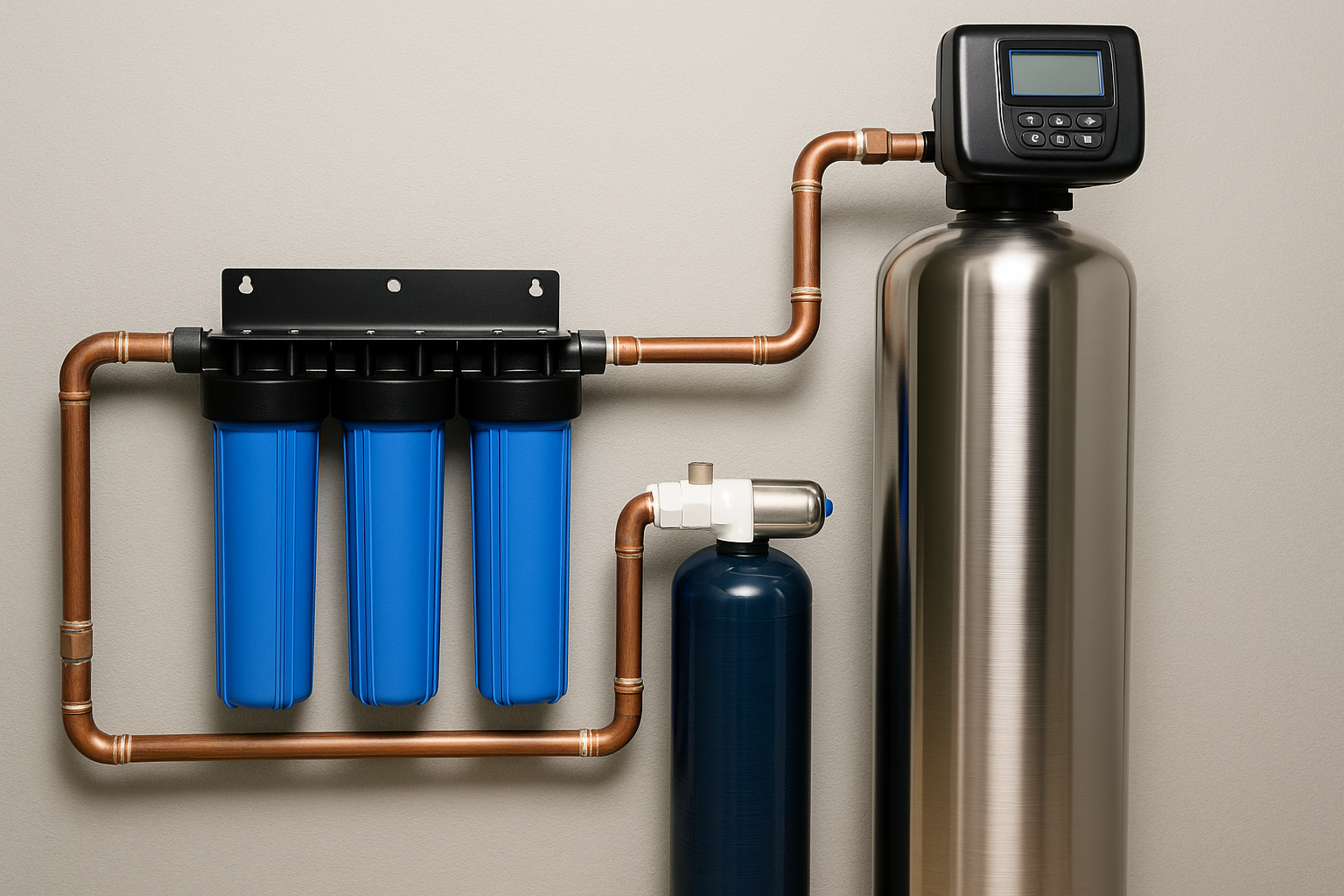
In many cases, the best results come from using both a whole house water filter and a water softener in tandem. The filter removes harmful contaminants like chlorine, sediment, pesticides, and even heavy metals, while the softener deals with minerals that cause scale buildup and soap inefficiency. Using both ensures cleaner, better-tasting water and extends the life of your appliances and plumbing.
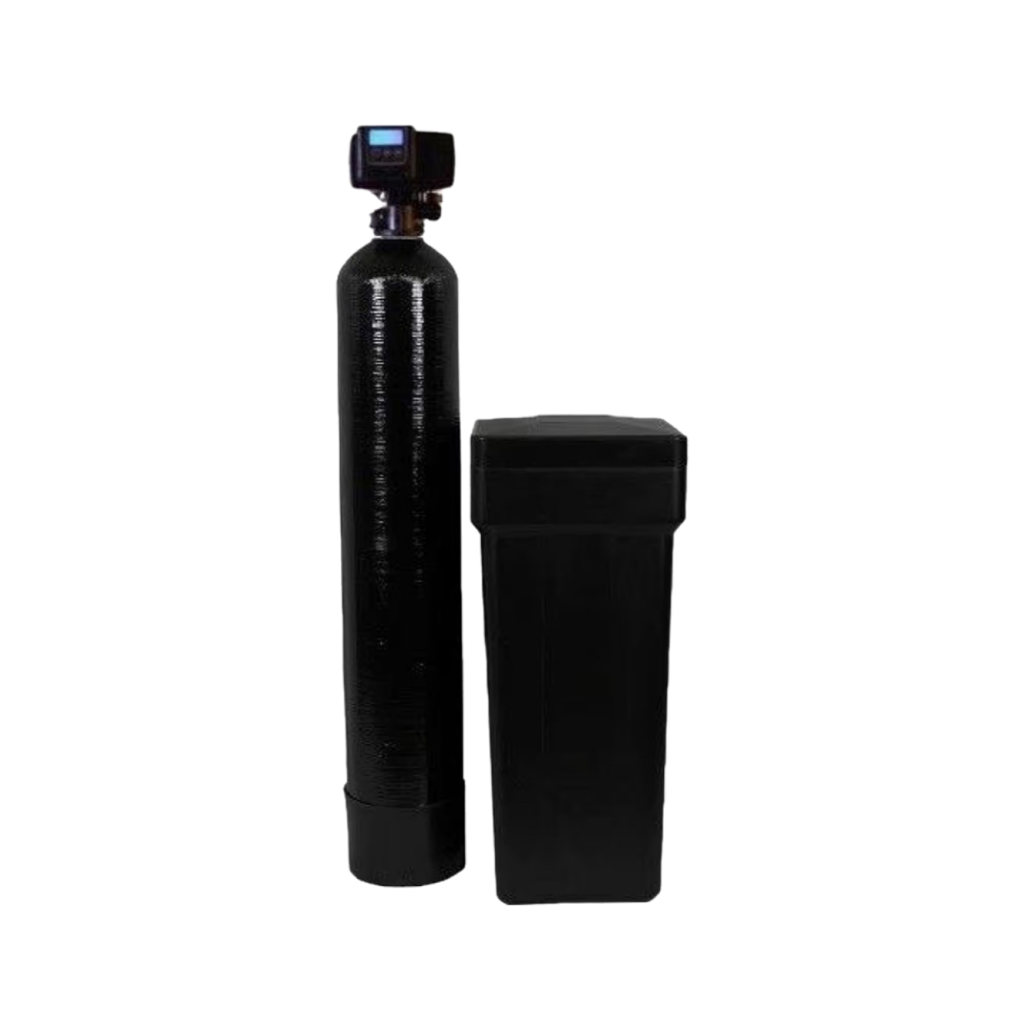
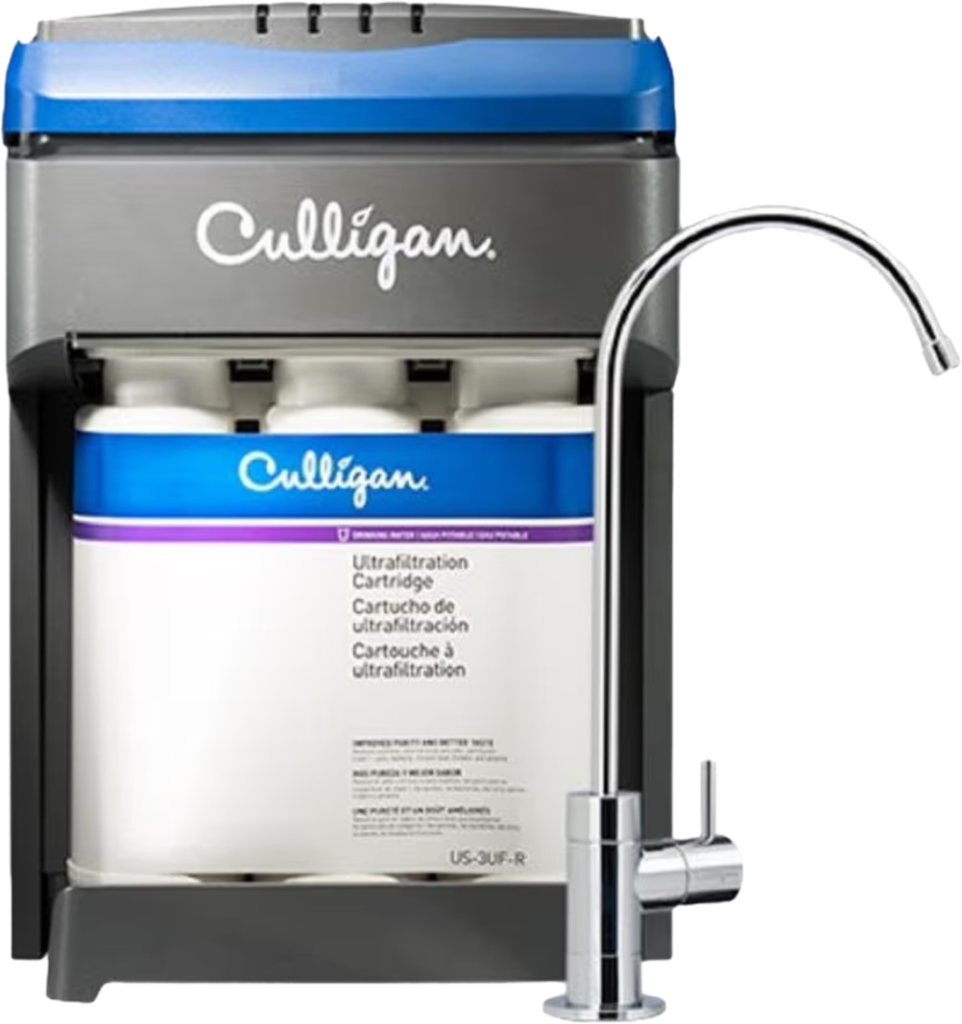
Personally, I use both systems in my own home. My setup includes a Fleck 5600 water softening system, known for its reliability and efficient regeneration cycles. For drinking water, I installed a Culligan US-3UF 3-Stage Under Sink Drinking Water System, which feeds a dedicated faucet and also supplies purified water to my refrigerator and ice maker through a 14-gallon storage tank. This combination gives me peace of mind that all the water in my home—from showers to ice cubes—is treated appropriately for its purpose.
Fleck 5600 Water Softener Amazon Rating: 4.5 out of 5 stars View on Amazon
A trusted workhorse in the world of residential water softeners, the Fleck 5600 is durable and easy to program. It uses ion-exchange resin to effectively remove hardness minerals and is ideal for families dealing with scale buildup or soap scum. Its metered regeneration system saves water and salt, making it efficient and low maintenance. My water has a lot of iron in it, so I use a salt with added iron remover.
Culligan US-3UF 3-Stage Under Sink Drinking Water System Amazon Rating: 4.6 out of 5 stars View on Amazon
This compact system fits neatly under the sink and removes chlorine, lead, cysts, and unpleasant tastes and odors. It’s easy to install and maintain, with long-lasting filters. Paired with a 14-gallon storage tank, it delivers consistently clean water to both the dedicated faucet and the refrigerator, ensuring top-quality drinking water throughout the kitchen.
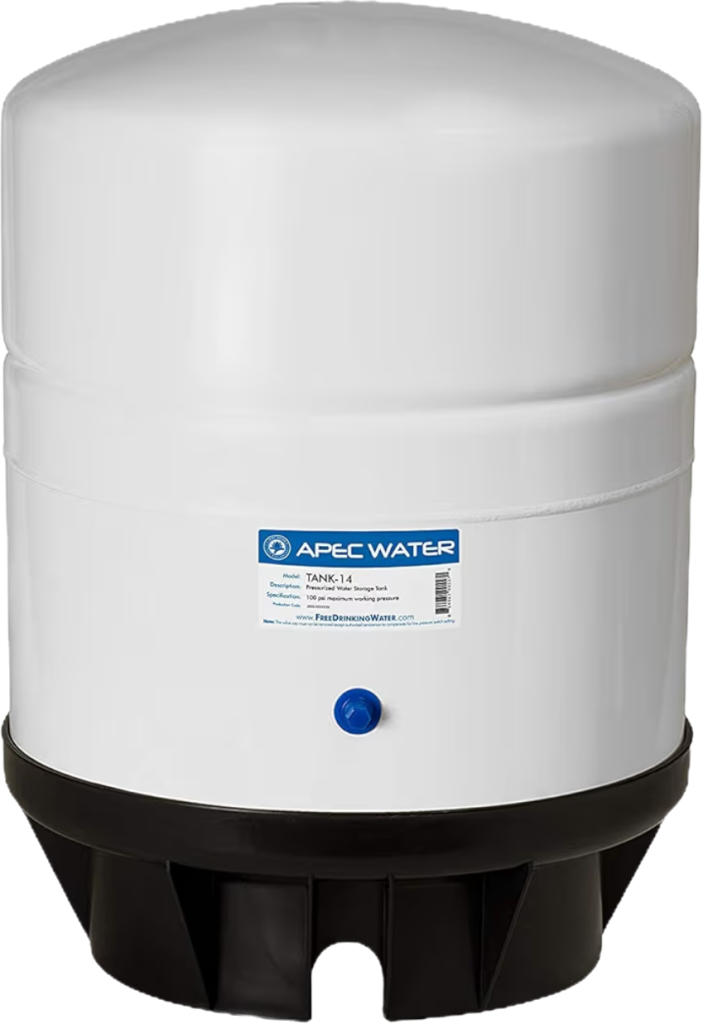
Apec Tank-14 14-Gallon RO Storage Tank Amazon Rating: 4.7 out of 5 stars View on Amazon
Designed for high-capacity reverse osmosis systems, this pressurized 14-gallon tank ensures a steady supply of purified water on demand. It’s made with food-grade materials and a durable stainless steel connector. The extra volume makes it ideal for homes using filtered water for both drinking and appliances like refrigerators and ice makers. Easy to install and compatible with standard RO systems, it helps maintain strong water pressure at all outlets while minimizing refill delays.
Final Thoughts
Whole house water filters and softeners serve two very different purposes, and understanding the difference can save you time, money, and frustration. A filter targets contaminants that affect health and taste, while a softener tackles the minerals that damage plumbing and appliances.
Choosing the right system depends entirely on your water quality and what problems you’re trying to solve. For many households, a combination of both is the ideal setup—clean, safe water that’s also gentle on your home’s infrastructure. When in doubt, test your water first. Knowing what’s in it is the first step toward better water—and a better home.
Choosing the right whole house water filtration system can feel overwhelming—but if you want clean, safe water from every tap, it’s one of the best upgrades you can make for your home and your family’s health. These systems are installed at the point where water enters your home, meaning they purify all the water before it ever flows through your plumbing. Every faucet, showerhead, washing machine, and appliance gets protected from contaminants, improving not only the taste and safety of your water but also the lifespan of your entire plumbing system.
Whole house systems vary based on the water challenges they address—such as chlorine from city water, or iron and sulfur from well water. They may include multiple filtration stages using sediment filters, carbon media, KDF (Kinetic Degradation Fluxion), or even UV disinfection. The key is matching the system to your water source and specific needs. In this guide, we’ve curated the top-performing whole house filtration systems that stand out for both city and well water applications. These units combine strong contaminant removal, ease of maintenance, and long-term reliability.
Disclosure: As an Amazon Associate I earn from qualifying purchases. This post may contain affiliate links.
The Aquasana Rhino EQ-1000 is a modular system that excels in both performance and customization. It filters up to 1 million gallons of water and is certified to reduce chlorine by 97%. The system includes a sediment pre-filter, a copper-zinc & mineral stone blend for heavy metals and scale, and a high-performance activated carbon filter.
What sets the Rhino apart is its expandability—you can add a UV filter for bacteria and viruses, or a salt-free water conditioner to reduce scale. The modular design also simplifies filter changes and upgrades. While it requires more frequent pre-filter replacements (about every 3 months), the flexibility makes it a great option for homeowners who want a tailored filtration solution.
Pros:
Modular add-ons like UV or softener
Certified to reduce 97% of chlorine
Good value for performance
Cons:
Frequent filter changes
Not ideal for iron-rich well water
2. iSpring WGB32B 3-Stage Whole House Water Filtration System
The iSpring WGB32B is an affordable and dependable three-stage filtration system suitable for both city and well water with moderate issues. It comes with three large 20” filters: a polypropylene sediment filter, a CTO carbon block filter to remove chlorine and odors, and another carbon filter for extra purification.
It’s a favorite among DIYers for its relatively easy installation, and filter replacements are budget-friendly. While it lacks advanced features like UV or scale control, it’s a workhorse system that improves water taste and clarity. For households with basic filtration needs, especially those on a tighter budget, the WGB32B is a cost-effective winner.
Pros:
Affordable
Great for taste and odor
Easy to install
Cons:
Doesn’t remove bacteria or heavy metals
No softening or advanced features
3. Express Water Heavy Metal Whole House Water Filter
Express Water’s Heavy Metal Filter System is purpose-built to target contaminants like lead, mercury, and iron. It uses a three-stage process: a sediment filter to trap particles, a KDF filter for metals and chlorine, and a carbon block for chemicals and taste.
The unit is mounted on a steel frame with built-in pressure gauges for each stage, making monitoring and maintenance a breeze. It’s rated for up to 100,000 gallons and has a strong flow rate of 15 GPM. While it’s a bit bulky, it arrives pre-assembled and is one of the easiest systems to install out of the box. This is an excellent pick for city dwellers concerned with heavy metals.
The Home Master HMF3SDGFEC is engineered for homes with well water, especially those battling iron, manganese, and sulfur. Its oversized filters include a multi-gradient sediment filter, an iron/manganese removal filter, and a carbon block for taste and chemical removal.
This model shines in rural or agricultural areas where water sources can introduce metal stains and rotten egg odors. It’s built to preserve water pressure, and the filters are designed to last up to a year. Though it takes up space and doesn’t treat chloramine, it’s one of the most effective well water systems on the market.
Pros:
Built for tough well water
Removes iron and sulfur odors
Oversized filters reduce pressure drop
Cons:
Not for chloramine treatment
Needs space to install
5. APEC CB3-SED-KDF-CAB20-BB 3-Stage Whole House Water Filter System
The APEC CB3-SED-KDF-CAB20-BB is a powerful and reliable 3-stage whole house water filter that’s well-suited for both city and well water applications. The first stage uses a high-capacity sediment filter to remove rust, dirt, and large particles. Stage two features a KDF media filter that targets heavy metals like lead, mercury, and iron. The third stage uses a carbon block filter to reduce chlorine, pesticides, VOCs, and unpleasant tastes and odors.
This system is a great alternative to the SpringWell, offering comparable contaminant removal at a more accessible price point. The 20” oversized filter housings provide high flow rates with minimal pressure drop, and each filter has a long service life to minimize maintenance needs. The system comes with sturdy mounting brackets and a pressure relief button for easier filter changes. Though it lacks a UV or softening stage, it provides exceptional chemical and metal reduction performance.
Pros:
Excellent filtration for chlorine, VOCs, and heavy metals
💰 Best Budget:iSpring WGB32B – Excellent value for moderate filtration needs. 🚿 Best for Well Water:Home Master HMF3SDGFEC – Ideal for iron-rich or sulfur-heavy water. ⚙️ Best Modular System:Aquasana Rhino – Customizable with UV and softening upgrades. 🔧 Easiest to Install:Express Water – Pre-mounted and gauge-equipped for easy setup.
Final Thoughts
Whole house filtration systems vary widely in size, performance, and technology—but the best ones share common traits: effective contaminant removal, ease of maintenance, and consistent water flow. Whether your priority is eliminating chlorine from city water or removing iron from a private well, the systems we’ve reviewed offer trustworthy solutions for a range of challenges.
Investing in a whole house water filter is more than just improving taste. It’s about protecting your family’s health, preserving your plumbing, and ensuring peace of mind every time you turn on a tap. From the versatile APEC CB3 to the budget-friendly iSpring WGB32B, each system provides excellent value for specific needs. Choose the one that fits your water quality challenges—and enjoy pure, healthy water throughout your home every day.
When it comes to protecting your entire home from contaminants, a whole house water filtration system is the gold standard. Installed at the main water line, these systems ensure that every faucet, shower, appliance, and outdoor spigot delivers cleaner, safer water. Whether you’re on city water or have a private well, whole house filtration can dramatically improve your water quality—and your peace of mind.
These systems are especially valuable for households facing issues like sediment, chlorine taste, heavy metals, or even bacteria. They typically use a multi-stage process that includes sediment filters, activated carbon, and optional specialty filters depending on your water’s unique chemistry. By removing impurities before water ever reaches your plumbing, they also help extend the life of pipes, water heaters, washing machines, and dishwashers.
Compared to point-of-use filters (like faucet or under-sink units), whole house systems offer a set-it-and-forget-it convenience with comprehensive coverage. They’re a smart investment for anyone looking to improve water quality throughout their entire home without juggling multiple filters.
🔜 Coming Soon
More in-depth articles and guides are on the way! Check back soon as we build out this section of the Water Filtration Hub.
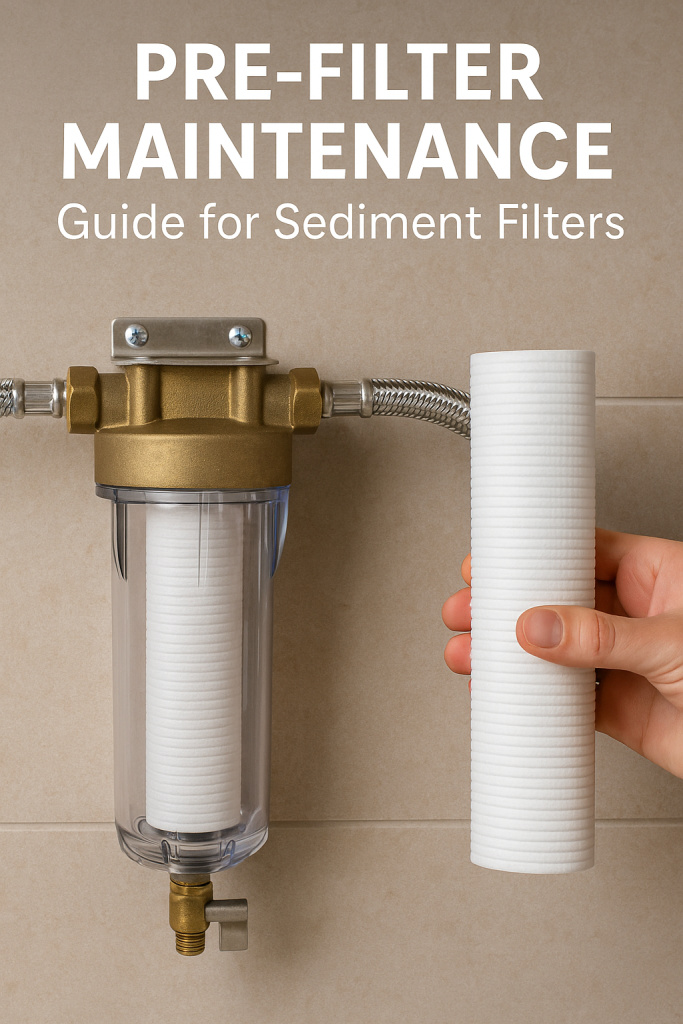
Essential upkeep tips to extend the life of your filtration system and maintain water flow. A hands-on maintenance guide focused on sediment pre-filters—often the first line of defense in a whole house system. Learn how to check, clean, and replace these filters for optimal system performance, and how proper pre-filter care can extend the life of your main filter units. Maintenance tips to extend life and performance.
Final Thoughts
Whole house water filtration is one of the most impactful upgrades you can make to your home’s water system. From reducing odors and contaminants to protecting your plumbing and appliances, the benefits are both immediate and long-lasting.
With a wide range of systems available, it’s important to choose a solution tailored to your specific water conditions—whether you’re combating hard water, chlorine, sediment, or all of the above. Whole house systems require a bit more planning and installation effort upfront, but once in place, they offer years of cleaner, safer water with minimal maintenance.
This section of our Water Filtration Hub is dedicated to helping you understand, compare, and maintain these powerful systems so you can enjoy pure water from every tap. Whether you’re on a well or municipal supply, stay tuned as we dive deep into comparisons, reviews, and essential tips for whole home water solutions. you can make to your home’s water system. From reducing odors and contaminants to protecting your plumbing and appliances, the benefits are both immediate and long-lasting. This section of our Water Filtration Hub is dedicated to helping you understand, compare, and maintain these powerful systems so you can enjoy pure water from every tap.
Whether you’re on a well or municipal water supply, stay tuned as we dive deep into comparisons, reviews, and essential tips for whole home water solutions.