
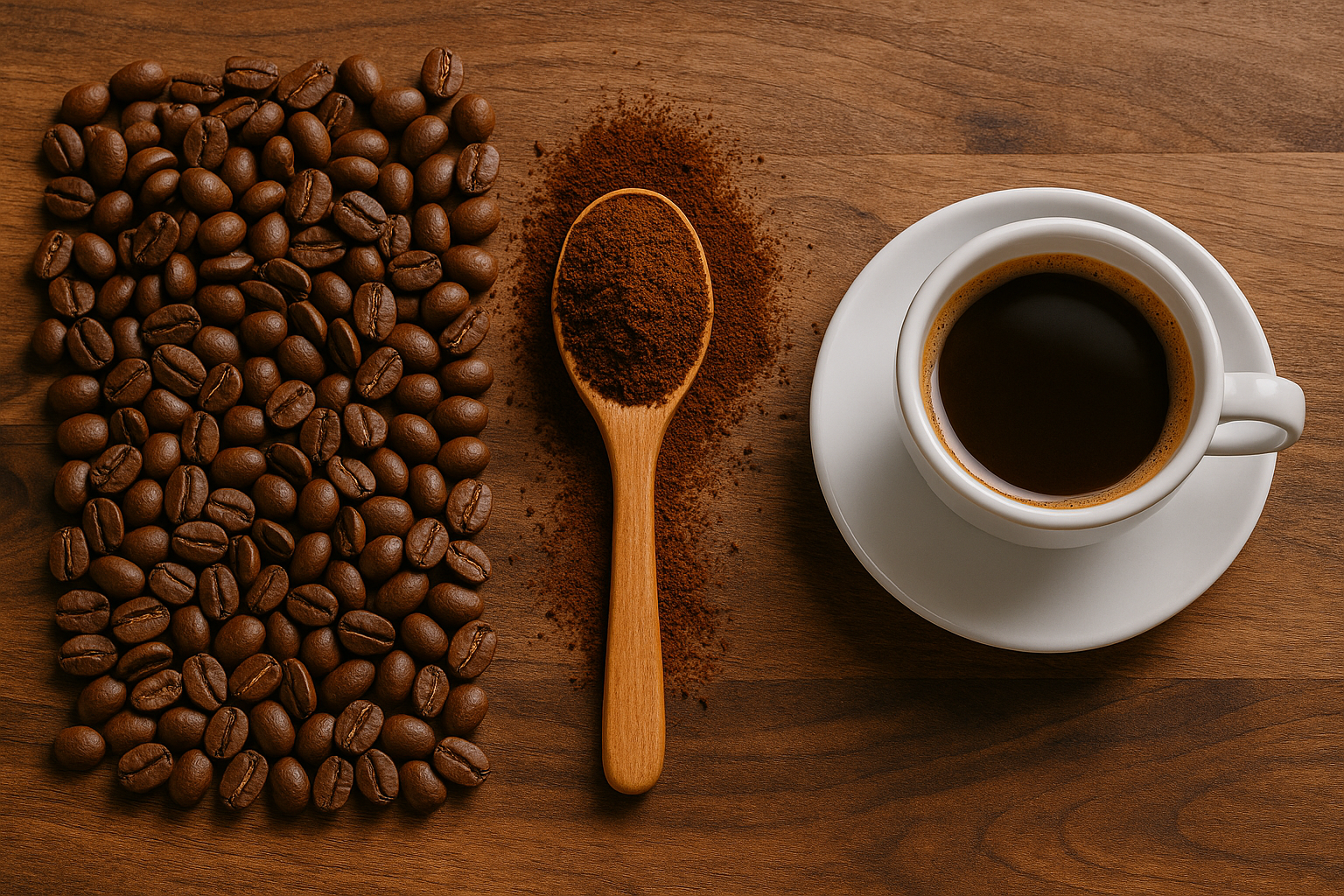
There are few things as universally loved as a good cup of coffee, but the methods used to brew it can vary wildly from kitchen to kitchen, café to café. Whether you’re new to home brewing or a seasoned enthusiast, understanding the different coffee processing methods can elevate your experience. This guide explores the most popular techniques—drip, espresso, percolation, French press, pour-over, and K-pod systems—along with the required grind sizes, variations, pros and cons, and what happens when grind size is off.
1. Drip Coffee
How It Works
Drip coffee, also known as filter coffee, is the most common brewing method in homes and offices. Hot water drips over ground coffee contained in a paper or metal filter. Gravity pulls the water through the grounds and into a carafe.
Grind Size
- Medium grind (similar to sea salt)
- Too coarse: Under-extracted, weak, sour
- Too fine: Over-extracted, bitter, can clog filter
Variations
- Automatic drip machines
- Manual drip cone brewers (e.g., Chemex, Melitta)
Pros
- Easy to use and clean
- Consistent results with little skill required
- Great for large batches
Cons
- Limited control over variables like bloom and flow rate
- Paper filters can absorb flavorful oils
2. Espresso
How It Works
Espresso uses pressure (9 bars or more) to force hot water through a tightly packed puck of finely-ground coffee. The process extracts a small, concentrated shot in 25–30 seconds.
Grind Size
- Fine grind (like powdered sugar)
- Too coarse: Under-extracted, sour, weak crema
- Too fine: Over-extracted, bitter, chokes the machine
Variations
- Manual, semi-automatic, and superautomatic machines
- Ristretto (short shot), lungo (long shot), doppio (double shot)
Pros
- Bold, rich flavor and crema
- Base for many specialty drinks (latte, cappuccino, etc.)
- Full control for coffee geeks
Cons
- Expensive equipment
- Steeper learning curve
- Needs regular cleaning and calibration
3. French Press (Press Pot)
How It Works
Ground coffee is steeped in hot water for several minutes, then separated using a metal mesh plunger. Unlike drip methods, it doesn’t use a filter that removes oils.
Grind Size
- Coarse grind (like kosher salt)
- Too coarse: Weak, under-extracted, watery
- Too fine: Sludge in cup, over-extracted, bitter
Variations
- Classic French press
- Double-walled insulated models for better heat retention
Pros
- Full-bodied, oily, and flavorful coffee
- Inexpensive equipment
- No disposable filters
Cons
- More sediment in cup
- Requires careful timing and attention
- Not ideal for large batches
4. Pour-Over
How It Works
Pour-over brewing involves manually pouring hot water in a controlled, circular motion over coffee grounds placed in a cone-shaped dripper (like a V60 or Chemex). Water flows through the coffee and filter into a carafe or mug.
Grind Size
- Medium-fine grind (between table salt and sand)
- Too coarse: Water rushes through, under-extracted
- Too fine: Clogged filter, over-extracted, bitter
Variations
- Hario V60, Kalita Wave, Chemex
- Single-cup or multi-cup models
Pros
- Total control over flow rate, bloom, and brew time
- Bright, clean flavors with good clarity
- Visually engaging and ritualistic
Cons
- Requires skill and precision
- Slower than auto-drip
- Not ideal for multitasking
5. Percolator
How It Works
A percolator continuously cycles boiling water through coffee grounds via a tube and metal basket. As water percolates through the grounds multiple times, it intensifies flavor.
Grind Size
- Coarse to medium-coarse
- Too coarse: Weak, underwhelming flavor
- Too fine: Over-extracted, bitter, muddy
Variations
- Stovetop or electric models
- Some modern designs with brew timers and temperature control
Pros
- Very strong, bold coffee
- Great for camping or off-grid brewing
- Nostalgic appeal
Cons
- Easy to over-extract if not timed carefully
- Less nuanced flavors
- Higher chance of bitterness
6. K-Pod (Single-Serve Pod Machines)
How It Works
K-pod or pod-based systems like Keurig and Nespresso automate the brewing process by using pre-ground, pre-portioned coffee sealed in plastic or aluminum pods. The machine punctures the pod, runs hot water through it, and dispenses the brewed coffee in under a minute.
Grind Size
- Not applicable (pre-ground inside sealed pod)
Variations
- Standard Keurig K-Cups
- Nespresso Original and Vertuo pods (espresso and lungo options)
Pros
- Incredibly fast and convenient
- Minimal cleanup
- Ideal for people who want a consistent cup with zero effort
Cons
- Limited control over temperature, grind, and dose
- Quality is often lower than fresh-ground methods
- Plastic pods raise environmental concerns
- Some health concerns with hot water running through plastics
Final Thoughts
There’s no one-size-fits-all when it comes to brewing coffee. Each method—from the intensity of espresso to the elegance of pour-over, or the simplicity of a K-pod system—offers its own unique experience. Understanding how grind size, brew time, and equipment interact allows you to tailor your brew to your taste. Whether you’re after convenience, control, or complex flavor, there’s a brewing method (or several) for you.
Start with one that fits your lifestyle and slowly experiment with others. The journey from bean to cup is as rewarding as the drink itself.
Back to Coffee and Espresso 101