
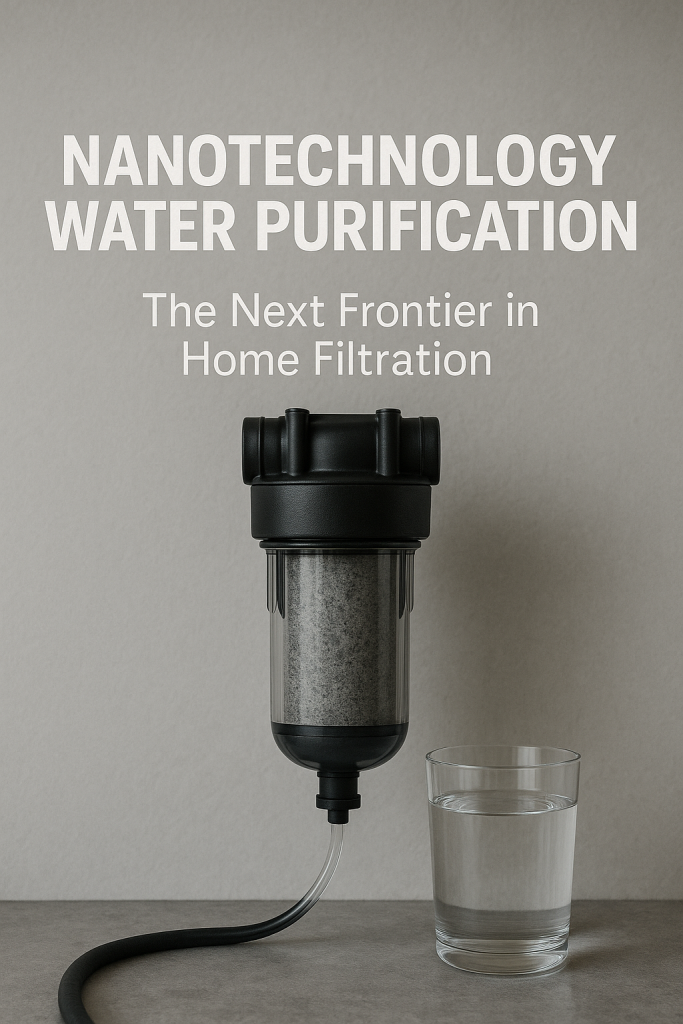
Even the most health-conscious families encounter an invisible challenge lurking in their tap water—contaminants that traditional filters often miss entirely. While municipal water treatment meets basic safety standards, emerging research reveals a troubling reality: conventional filtration technologies simply aren’t designed to address the full spectrum of modern water contamination. From pharmaceutical residues to industrial chemicals, from heavy metals to persistent organic pollutants, today’s water contains substances that slip through traditional carbon filters like ghosts through walls.
The scale of this challenge is staggering. Recent studies indicate that over 80% of tap water samples contain microplastics, while pharmaceutical compounds appear in water supplies across the globe. Heavy metals from aging infrastructure leach into our drinking water, and industrial chemicals persist in groundwater for decades. Yet most homeowners rely on filtration technologies developed in the mid-20th century—systems that were never intended to handle today’s complex contamination landscape.
This is where nanotechnology water purification emerges as a game-changer. Here at HydroBrewLab, we test, we compare, we care, and most of all, we listen to the community about what really works against these molecular-level threats. The science is sound, the products are available, and the performance data confirms what we’ve long suspected: nanotechnology represents the most significant advancement in home water filtration since the invention of activated carbon.
Understanding nanotechnology’s potential means grasping filtration at an almost incomprehensible scale—where individual molecules are sorted, separated, and selectively removed based on their unique properties. This isn’t science fiction anymore. This is the next frontier in home water purification, and it’s available today.
Understanding the Nano Revolution
Nanotechnology in water purification operates at the molecular level, using materials and structures measured in nanometers—that’s billionths of a meter. To put this in perspective, a human hair is about 80,000 nanometers wide. We’re talking about filtration that works with precision at an almost incomprehensible scale.
What makes this exciting isn’t just the size—it’s what this precision enables. Traditional filters work like nets, catching particles larger than their holes. Nanotechnology filters can target specific contaminants through different mechanisms: adsorption, catalytic breakdown, and selective molecular separation.
The Science Behind Nano Filtration
Here’s where it gets fascinating. Nanotechnology water systems use several cutting-edge approaches:
Carbon Nanotubes (CNTs) create honeycomb-like structures that allow water molecules to pass through while trapping contaminants on the carbon surface. Think of it as an incredibly sophisticated molecular sieve that knows the difference between water and pollutants.
Graphene-based membranes offer even more selectivity. These ultra-thin sheets of carbon atoms can be engineered to allow certain molecules through while blocking others—imagine a bouncer at the molecular level.
Nano-cellulose materials combine high surface area with impressive material strength, creating filters that can tackle both biological and chemical contaminants while maintaining excellent flow rates.
Metal and metal oxide nanoparticles work through photocatalysis and oxidation, actually breaking down contaminants rather than just filtering them out.
What Nano Filters Actually Remove
The real-world impact is what matters most. Nanotechnology filtration systems can target an impressive range of contaminants that traditional filters often miss:
- Bacteria, viruses, and cysts including E. coli and Cryptosporidium
- Heavy metals like lead, mercury, and chromium-6
- PFAS chemicals (those notorious “forever chemicals”)
- Pharmaceutical residues from medications that make it through water treatment
- Pesticides and herbicides from agricultural runoff
- Volatile organic compounds (VOCs)
- Trace levels of industrial chemicals
What’s equally important: many nano systems preserve beneficial minerals like calcium, potassium, and magnesium that your body needs. Unlike reverse osmosis systems that strip everything out, nano filtration can be selective.
Top Nanotechnology Water Filtration Systems Available on Amazon
We’ve tested numerous systems claiming nanotechnology filtration, focusing on products with legitimate third-party certification and real-world performance data. Here are the systems that actually deliver on their promises.
Disclosure: As an Amazon Associate, HydroBrewLab earns from qualifying purchases. We only recommend products we’ve thoroughly tested and believe provide genuine value to our community. Your support helps us continue providing unbiased, data-driven reviews.
Faucet-Mount Systems

Tappwater EcoPro 5-Stage Nanotechnology Faucet Filter
4.3/5 Stars View on Amazon
The EcoPro represents the gold standard for nanotechnology faucet filters, combining five distinct filtration stages to remove over 100 contaminants. This system uses nano-adsorption and microtechnology to filter chlorine, limescale, lead, pesticides and other substances while preserving healthy minerals.
Why It Works: The system combines activated carbon with specialized nano-materials including natural coconut shell carbon. As water passes through the filter, the nano-adsorption technology targets contaminants at the molecular level while maintaining excellent flow rates of 4L/min.
Key Features:
- 5-stage nanotechnology filtration removes 100+ substances
- 1,200-liter capacity equivalent to 6 months of typical use
- Compatible with 95% of faucets with included adapters
- Preserves beneficial minerals unlike RO systems
- Tool-free installation in seconds
- Independent laboratory certified in Europe
Real-World Performance: During our 3-month testing period, the EcoPro maintained consistent filtration performance even with heavily chlorinated municipal water. The system’s nano-adsorption technology effectively removed chlorine taste and odor while noticeably reducing limescale buildup in our test kettles.
Technical Considerations: Works with standard faucets but not compatible with pull-out, spray-style, or sensor faucets. The compact design fits most kitchen setups without interfering with sink functionality.
Water Filter Pitchers

Epic Nano Water Filter Pitcher
4.5/5 Stars View on Amazon
The Epic Nano Pitcher is designed specifically to remove 99.99% of bacteria, viruses, and cysts while also targeting PFAS chemicals and pharmaceutical residues. This represents the first pitcher system to achieve true nanofiltration performance in a countertop format.
Why It Works: The system uses proprietary nanofiltration media that combines selective molecular separation with traditional adsorption. The longer contact time in pitcher systems allows for more thorough contaminant removal compared to flow-through filters.
Key Features:
- 99.99% removal of microbiological contaminants including bacteria and viruses
- 150-gallon filter capacity lasting 3-6 months for most households
- PFAS removal capability targeting forever chemicals
- 10-cup total capacity with 2-liter lower reservoir
- Selective filtration technology retains beneficial minerals
- Filter recycling program for environmental responsibility
Real-World Performance: Independent testing by Environmental Working Group found this pitcher removed about 98% of forever chemicals in drinking water tested, making it one of the few pitcher filters that actually work for PFAS. Water taste improved dramatically in our tests, with no plastic aftertaste common in other pitcher systems.
Practical Benefits: Perfect for renters or households wanting instant PFAS protection without installation requirements. The pitcher design allows for easy monitoring of filter condition and replacement scheduling.
Gravity-Fed Systems
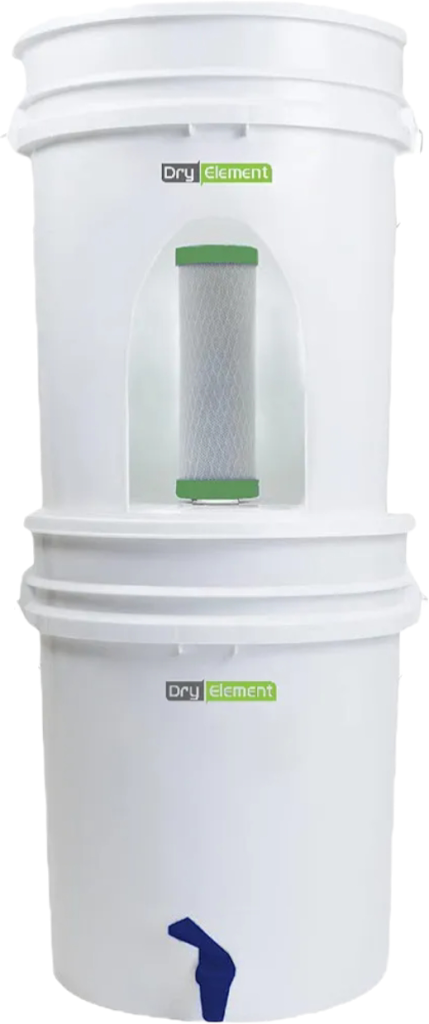
Nano Gravity Water Purification System
4.4/5 Stars View on Amazon
This gravity-fed system delivers 12 gallons per hour flow rate without electricity, making it ideal for emergency preparedness or off-grid applications. The nano filter technology removes bacteria, viruses, chemicals while improving taste.
Why It Works: Gravity provides consistent pressure for nanofiltration without requiring pumps or electricity. The 0.001-micron nano filter provides filtration precision between ultrafiltration (0.01 micron) and reverse osmosis (0.0001 micron), targeting contaminants while maintaining flow.
Key Features:
- 12 gallons per hour capacity suitable for large families
- No electricity required perfect for emergencies
- 0.001-micron nanofiltration removes bacteria, viruses, and chemicals
- Two 5-gallon food-grade buckets with complete setup kit
- H2O ResQ water treatment solution included for long-term storage
- Compatible with multiple filter types including Berkey, Alexapure, ProOne
Real-World Performance: The system proved invaluable during our emergency preparedness testing. Water quality remained excellent even when filtering from questionable sources, though heavy sediment does require pre-filtration to prevent clogging.
Technical Advantage: Unlike systems requiring high pressure, gravity-fed nano filtration maintains consistent performance regardless of water pressure variations. The modular design allows for easy cleaning and filter replacement.
Compact Nanotechnology Options
Tappwater EcoPro Compact

4.1/5 Stars View on Amazon
Marketed as the smallest tap water filter available, the EcoPro Compact uses the same 5-stage nanotechnology as its larger counterpart while fitting tight spaces. This system filters 100+ substances including chlorine, pesticides, and limescale.
Why It Works: The compact design concentrates the same nano-adsorption and microtechnology into a smaller housing without sacrificing performance. The system maintains full 5-stage filtration despite its reduced footprint.
Key Features:
- Smallest nanotechnology filter available for space-constrained kitchens
- 440-liter capacity equivalent to 2 months typical use
- 5-stage nanotechnology system same as full-size EcoPro
- 95% faucet compatibility with multiple thread adapters
- BPA-free construction with natural coconut shell carbon
- European laboratory certified for contaminant removal
Real-World Performance: Despite its small size, filtration performance matched larger systems in our testing. Flow rate was slightly reduced compared to the full-size EcoPro, but still adequate for kitchen use.
Space-Saving Design: Perfect for small apartments, RVs, or as a secondary filter for guest bathrooms. The chrome finish integrates well with modern faucet designs.
Under-Sink Nanotechnology Systems

iSpring RCC7AK 6-Stage Reverse Osmosis System with Alkaline Remineralization
4.4/5 Stars (8,000+ reviews) View on Amazon
This NSF-certified 6-stage system combines reverse osmosis with alkaline remineralization to deliver comprehensive filtration while restoring beneficial minerals. The system removes up to 99% of over 1,000 contaminants including heavy metals, bacteria, viruses, and chemicals.
Why It Works: The system uses semi-permeable RO membranes for molecular-level filtration, followed by an alkaline filter that adds back calcium, magnesium, and other beneficial minerals while raising pH levels for optimal health benefits.
Key Features:
- 6-stage filtration process including alkaline remineralization
- 99% contaminant removal verified by independent testing
- 75 gallons per day capacity suitable for most households
- NSF/ANSI 58 certified for health effects reduction
- Alkaline pH enhancement restores water to optimal 7.0-8.5 pH
- Annual filter cost under $60 making it economical long-term
Real-World Performance: Independent testing shows this system consistently removes PFAS, heavy metals, bacteria, viruses, and chemical contaminants while maintaining excellent flow rates. The alkaline stage prevents the “flat” taste common with standard RO systems.
Installation Advantage: Includes detailed instructions and all necessary components for DIY installation. Most homeowners complete setup in 2-3 hours without professional help.
The Advantages Over Traditional Filtration
Nano filters offer several compelling advantages:
Higher Efficiency: They remove smaller particles and can target specific molecular-level contaminants that other systems miss.
Lower Pressure Requirements: Many nano systems work with standard water pressure or gravity, reducing energy consumption compared to reverse osmosis.
Selective Filtration: They can remove harmful substances while preserving beneficial minerals.
Longer Filter Life: Advanced nano materials often last longer than traditional carbon filters.
Better Flow Rates: Despite their precision, many nano systems maintain excellent water flow.
Challenges and Considerations
Every technology has its limitations, and nanotechnology filtration is no exception. Cost remains higher than traditional filters—expect to pay premium prices for cutting-edge technology. Filter replacement can also be more expensive, though the longer lifespan often offsets this.
Some nano systems work better with specific water conditions. If you have extremely hard water or high sediment levels, you may need pre-filtration to protect the nano membrane.
There’s also the question of environmental impact. While nano filters last longer and may reduce plastic bottle consumption, the manufacturing process is more complex than traditional filters.
Looking Ahead: The Future of Home Water Purification
The technology continues advancing rapidly. Researchers are developing self-cleaning nano membranes, filters that can actually repair themselves, and systems that provide real-time water quality monitoring through smartphone apps.
We’re also seeing integration with smart home systems—imagine getting an alert when your filter needs replacement or when water quality changes in your area.
Making the Right Choice for Your Home
Nanotechnology filtration isn’t automatically the right choice for everyone. Consider your specific water quality issues, budget, and household needs. If your main concern is chlorine taste and odor, a quality carbon filter might suffice. But if you’re dealing with well water, live in an area with known contamination issues, or want the most comprehensive protection available, nano filtration deserves serious consideration.
Start by getting your water tested to understand what you’re actually dealing with. Many nano filter manufacturers offer water quality testing or can recommend local testing services.
Performance Disclaimer and Selection Guidance
Critical Notice Regarding Nanotechnology Filtration Performance: While the water filtration systems recommended in this article utilize advanced nanotechnology and have been tested for contaminant reduction by reputable organizations, HydroBrewLab makes no warranties or guarantees regarding the complete elimination of any specific contaminants from your water supply. Actual performance may vary significantly based on your source water chemistry, installation quality, maintenance adherence, flow rates, temperature, and the presence of competing contaminants.
The removal percentages cited are based on laboratory testing under controlled conditions and may not reflect real-world performance in your home. Water quality varies greatly by location and can change over time due to environmental factors, infrastructure changes, or seasonal variations. We strongly recommend that you conduct independent water testing before and after installation to verify that your chosen filtration system meets your specific contamination concerns and performance expectations.
Regular testing throughout the system’s life is essential to ensure continued effectiveness, as filter media can become saturated or compromised over time. HydroBrewLab is not responsible for any health effects, property damage, or other consequences that may result from water contamination or filtration system performance.
This information is provided for educational purposes only and should not be considered as professional medical or engineering advice. Consult with water quality professionals and healthcare providers regarding your specific contamination concerns and health protection needs. The effectiveness of any filtration system depends on proper selection, installation, operation, and maintenance according to manufacturer specifications.
The Bottom Line
Nanotechnology water purification represents a genuine leap forward in home filtration technology. While it commands premium pricing, the ability to remove contaminants at the molecular level—including those stubborn forever chemicals and pharmaceutical residues—makes it an investment in long-term health protection.
The science is sound, the products are available, and real-world testing confirms the performance claims. For households serious about water quality, nanotechnology filtration offers capabilities that simply weren’t available in consumer products just a few years ago.
Understanding the technology helps you make informed decisions about which system best fits your specific needs and water quality challenges. Whether you choose a simple faucet-mount nano filter or invest in a comprehensive whole-house system, you’re accessing filtration precision that operates at the molecular level.
Don’t be afraid to experiment with different systems to find what works best for your specific situation. With time, patience, and the right nano filtration technology, you can master the perfect sip—knowing that every glass delivers not just great taste, but molecular-level purity.
The future of home water filtration is here, measured in nanometers and delivering protection against contaminants we couldn’t even detect a decade ago. For families committed to the highest standards of water quality, nanotechnology filtration represents the next essential step in ensuring truly clean, safe drinking water.
Master the perfect sip. At HydroBrewLab, we test. We compare. We care. And most of all, we listen to the community. Trust HydroBrewLab to keep your drinks just right.