
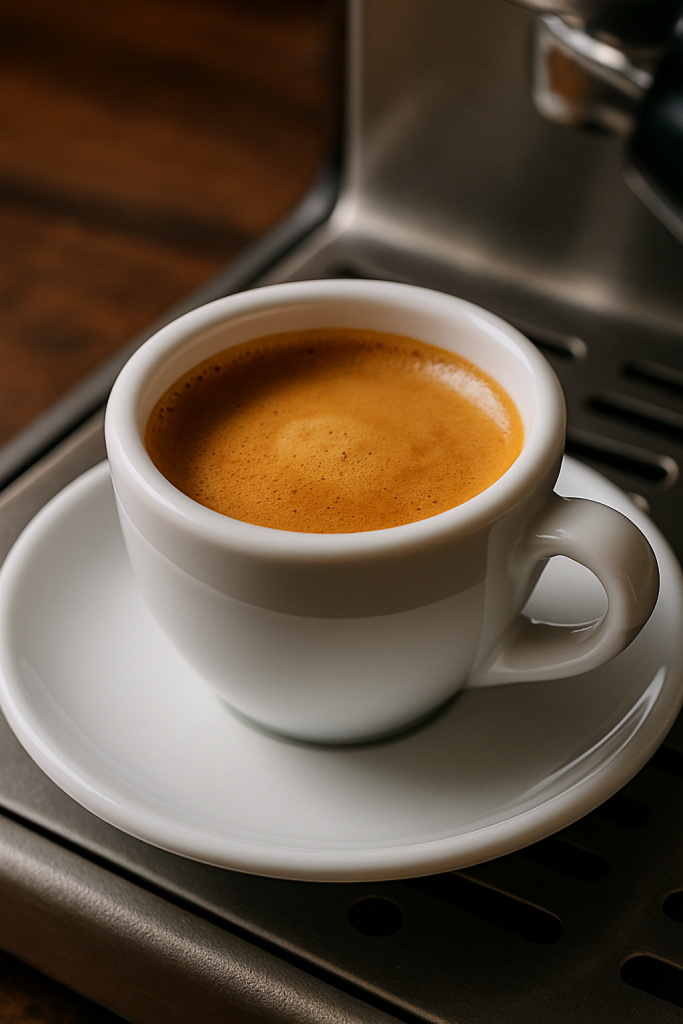
One of the most iconic hallmarks of a well-pulled espresso shot is the layer of golden foam that rests gently on top: crema. To the uninitiated, it may seem like just a cosmetic flourish—but to seasoned baristas and espresso lovers, crema is a critical indicator of espresso quality. This guide dives deep into what crema is, how it forms, why it matters, and how to troubleshoot common crema issues for better espresso at home.
What Is Crema?
Crema is the golden-brown foam that forms on the surface of a freshly brewed espresso shot. It’s made up of tiny gas bubbles suspended in emulsified oils, proteins, and other soluble coffee compounds. Crema is often described as the “cream” of espresso, and it adds richness to the flavor, aroma, and visual appeal of the drink.
Components of Crema
- Carbon dioxide (CO₂): Released from the coffee grounds during extraction; gets trapped in the espresso, forming microbubbles.
- Coffee oils: Natural oils from the coffee bean contribute to the texture and body of the crema.
- Soluble compounds: Proteins, melanoidins (products of Maillard reactions), and other soluble compounds add color, aroma, and structure.
The Science Behind Crema Formation
Crema formation is driven primarily by pressure and freshness.
High Pressure Extraction
Espresso is brewed at high pressure—usually 9 bars—which forces hot water through compacted, finely-ground coffee. This pressure extracts CO₂ gas and emulsifies the coffee oils into a stable foam that rises to the top of the shot.
Bean Freshness and Degassing
Freshly roasted beans still contain a significant amount of CO₂, which is naturally released during brewing. If the beans are too old (more than 4 weeks post-roast), they’ve lost most of their CO₂, resulting in weak or non-existent crema.
Conversely, beans that are too fresh (less than 3 days post-roast) may release gas too quickly during extraction, leading to instability in crema texture.
What Crema Tells You About Espresso Quality
Crema is more than just aesthetics—it’s a diagnostic tool for espresso quality. Here’s what it can tell you:
Good Crema
- Color: Rich golden brown with reddish hues
- Texture: Smooth, creamy, and even
- Thickness: About 1/8 to 1/4 inch thick
- Stability: Lasts for at least 1–2 minutes before dissipating
Poor Crema
- Pale or blonde: Often indicates under-extraction or stale beans
- Dark and thin: Suggests over-extraction or overly dark roast
- Bubbly or large-bubbled: May indicate channeling, poor tamping, or too coarse a grind
How Crema Affects Taste and Aroma
While crema itself doesn’t contribute much flavor, it plays an important role in the overall espresso experience.
- Aroma Delivery: Traps volatile aromatic compounds that are released as you sip
- Mouthfeel: Adds creamy body and texture to the first few sips
- Flavor Perception: Slight bitterness from the crema offsets sweetness from the espresso liquid underneath
In competitions and high-end cafés, the presence and quality of crema are often judged as part of the espresso’s overall profile.
How to Improve Crema at Home
If you’re not getting rich crema at home, several factors could be affecting it. Here’s how to improve it:
Use Fresh Beans
- Ideal window: 3–14 days post-roast
- Store in an airtight container away from heat and moisture
Use the Right Grind Size
- Too coarse: Fast shot, weak crema
- Too fine: Choking or over-extraction
- Dial in to a fine espresso grind and adjust based on shot time
Maintain Proper Extraction Parameters
- 9 bars of pressure
- 195–205°F water temperature
- 25–30 second shot time
- 1:2 brew ratio (e.g., 18g in, 36g out)
Use a Quality Espresso Machine and Grinder
- Entry-level machines may not maintain stable pressure or temperature
- A burr grinder ensures uniform grind size, critical for even extraction
Tamp Evenly and Consistently
- Uneven tamping can cause channeling and weak crema
- Use 30 lbs of firm, level pressure and a distribution tool if needed
Crema Myths and Misconceptions
“More crema means better espresso”
Not always. While crema is a sign of freshness and proper extraction, some beans—especially lighter roasts—naturally produce less crema. Taste should be the final judge.
“Robusta beans are better because they make more crema”
Robusta beans do produce more crema, but they also tend to have harsher, more bitter flavors. Many cafés use a blend of Arabica and Robusta to balance crema and flavor.
“Crema should last for several minutes”
Crema naturally dissipates as gases escape. A good crema should last 1–2 minutes—any longer may indicate an overly dark roast or stale beans.
Crema in Different Roast Styles
- Light Roast: Less crema, but often more complex flavors
- Medium Roast: Balanced crema and flavor
- Dark Roast: More crema, but often bitter and one-dimensional
Experimenting with roast levels will help you find the balance between crema production and flavor complexity that suits your taste.
Final Thoughts
Crema is one of the most beautiful aspects of espresso—and one of the most misunderstood. While it’s not the ultimate sign of a great shot, it does provide a wealth of information about freshness, technique, and extraction quality. Understanding what crema is and how it forms gives you another layer of control over your espresso-making journey.
Whether you’re chasing that perfect tiger-striped surface or just trying to avoid weak, bubbly foam, paying attention to crema will help you develop as a barista and elevate your at-home espresso game. Keep practicing, keep tasting, and enjoy every golden-topped shot along the way.
Back to Coffee and Espresso 101